Anúncios
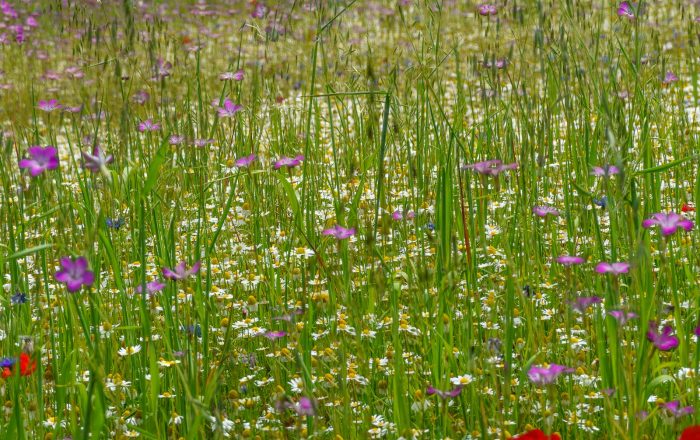
Three years ago, a group of six neighbours in a terraced street in Sheffield turned their front verges over to native wildflowers. By the second summer, they had recorded 23 bee species, several of which had not been documented in that part of the city in decades. They had no special expertise. They spent almost nothing. They just made a few well-chosen changes to a few small patches of ground and let the biology take over. Local conservation is not a consolation prize for people who cannot afford to fly to Costa Rica. It is where most of the actual work gets done.
Start With the Ground Beneath Your Feet
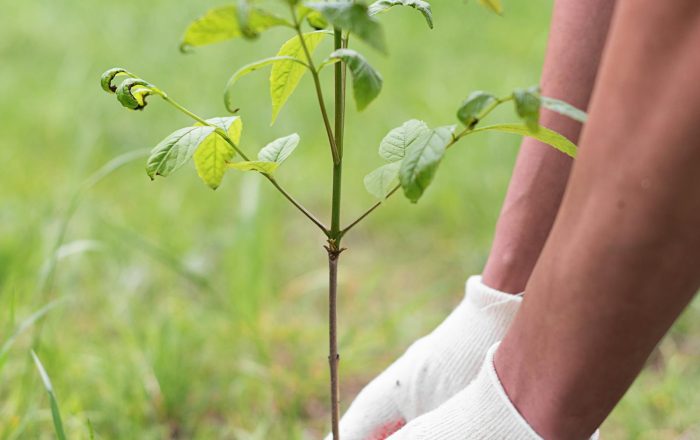
1. Plant native species. This is the foundation. Native plants are woven into local food webs in ways that introduced ornamentals are not. A native hawthorn supports hundreds of insect species; a decorative cherry from Japan supports a handful. You do not need to rip out your entire garden. Adding one native shrub or a strip of native wildflower seed along a fence line is a genuine contribution.
Anúncios
2. Stop using pesticides and herbicides. Insecticides kill indiscriminately. Herbicides remove the ‘weeds’ that many specialist insects depend on. Lawn pesticides persist in soil and wash into waterways. Removing them from your outdoor space immediately reduces pressure on local invertebrate populations, which anchor the food web that everything else depends on.
3. Leave a patch unmown. A corner of long grass, left through spring and summer, becomes habitat for grasshoppers, beetles, small mammals, and the birds that hunt them. If a fully unmown patch feels untidy, a simple hand-painted sign reading ‘Wildlife Area’ turns it from neglect into intention in the eyes of passing neighbours.
Anúncios
Water Matters More Than Most People Realise
4. Create a small pond. Even a half-buried container will do. A pond, however tiny, provides drinking and bathing water, breeding habitat for amphibians, and a hunting ground for dragonflies and damselflies. Freshwater habitats have declined steeply in most countries, and garden ponds now represent a significant fraction of available breeding sites for common frogs and toads in urban areas. For step-by-step guidance, the article on creating a small wildlife pond walks through the whole process.
5. Install a water source for birds and mammals. A simple shallow dish of clean water, refreshed daily, draws in a surprising range of visitors, particularly during dry summers and hard winters. Ground-level dishes help hedgehogs and foxes. Raised baths serve birds. Both matter.
6. Manage rainwater runoff. Hard surfaces shed water fast, stripping topsoil and flushing pollutants into drains that discharge into local streams. Breaking up paved areas, installing a water butt, or adding a simple rain garden where water can slow and sink into the ground reduces this pressure on local waterways and the wildlife in them.
Get Involved Beyond Your Own Property
7. Join a local conservation volunteer group. The use here is enormous. A single volunteer day with an organised group can accomplish habitat management that would take one person months of solo effort. Organisations managing local nature reserves, riverbanks, and community woodlands run regular sessions. You will also meet people who know the local landscape in detail, which compounds your effectiveness over time.
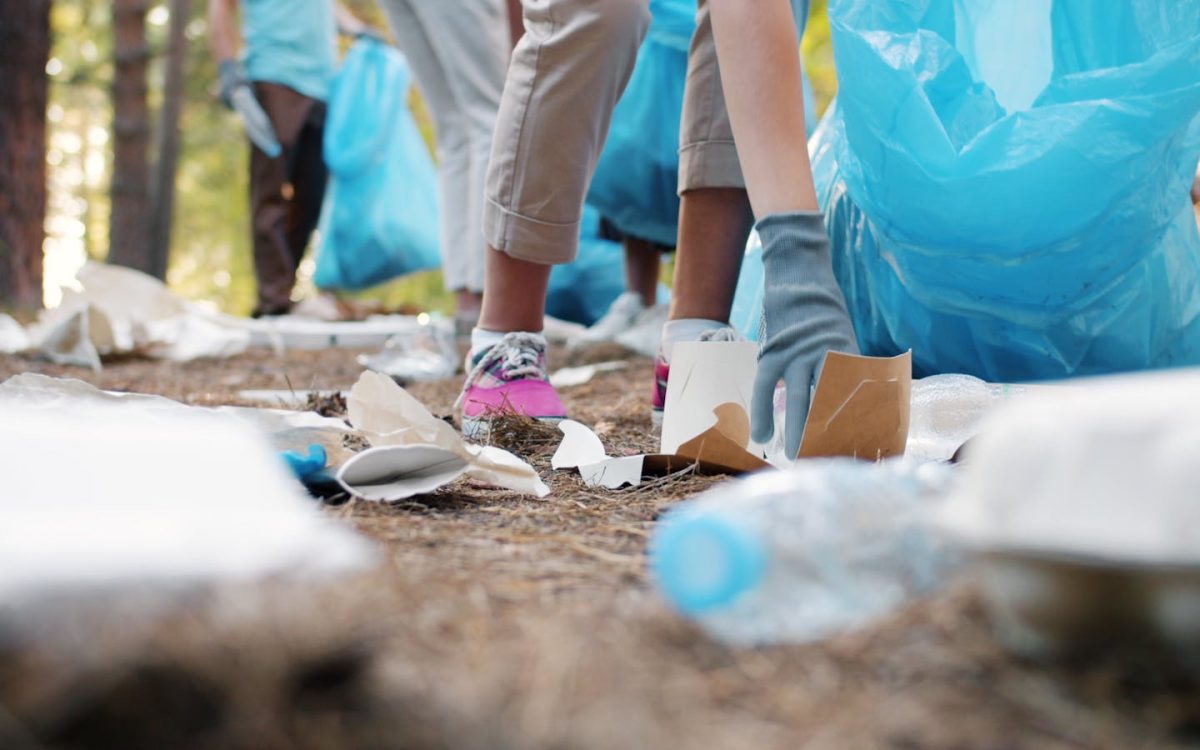
8. Organise or join a litter pick. Litter near water is especially destructive, but litter anywhere reduces habitat quality and directly kills wildlife through ingestion and entanglement. A two-hour group litter pick covers ground that matters, and visible community effort in a public space tends to reduce subsequent littering more than signs or fines alone.
9. Participate in citizen science surveys. Recording what you see — birds in your garden, butterflies in a park, amphibians in a pond — feeds into national monitoring datasets that shape conservation policy and funding. The Big Garden Birdwatch, butterfly transect surveys, and frog and toad spawn counts all rely on volunteer observers. You do not need specialist skills. You need reliable eyes and a commitment to show up consistently.
Advocate in Your Local Area
10. Contact your local council about verge management. Many councils still mow roadside verges on a schedule designed for tidiness rather than ecology. A polite, evidence-based letter from a group of residents asking for reduced mowing frequency or the designation of a wildflower verge is often enough to trigger a trial scheme. Several UK counties have shifted hundreds of miles of verge management this way.
11. Respond to local planning consultations. Planning applications for development near green spaces, waterways, or wildlife corridors are open for public comment. A single well-reasoned objection from a resident carries more weight than most people expect, particularly when it cites specific species or habitat features. You do not need to be a professional ecologist to write a relevant comment.
12. Push for wildlife-friendly street design. New housing developments, park redesigns, and road projects offer opportunities to build in features for wildlife: swift bricks in new walls, hedgehog-friendly fencing gaps, native street tree species, and integrated planting for pollinators. Raising these points at community consultations or through local environmental groups keeps them on planners’ radar.
Support Local Conservation Financially and Practically
13. Donate to or become a member of your local wildlife trust. National conservation charities do important work, but local wildlife trusts manage the specific habitats and species in your area. Their funding directly maintains nature reserves, runs educational programmes, and pays the staff who know which field is about to be sold to a developer. Membership is usually modest in cost and high in local impact.
14. Buy locally grown food where possible. Local farms are more responsive to local consumer pressure than global supply chains. A farmer who knows that people in the next village care about hedgerows and field margins is more likely to maintain them. Farmers’ markets and community-supported agriculture schemes create the direct relationship that makes this feedback loop work.
15. Talk about it. Conservation actions spread through social networks faster than through formal campaigns. Mentioning a hedgehog you spotted after adjusting your garden fence, sharing a photo of a new wildflower patch, or recommending a volunteer day to a friend are all acts of local conservation in the broadest sense. The information environment in which people make decisions about their gardens, their councils, and their shopping is shaped by these small, repeated signals.
Where to Start if You Are Overwhelmed
Pick one action from each of the first three sections and commit to it for three months. Observe what changes. The biology rewards attention quickly enough to sustain motivation — a new species at the pond, a butterfly you have not seen before, a neighbour asking what plants you used. Local conservation is not a sacrifice. For most people who try it, it becomes one of the more quietly satisfying things they do.
If native planting feels like the obvious first step but you are not sure which species suit your soil and climate, the guide on why native plants are the best thing for backyard wildlife covers the practical details clearly. And if you want to understand the larger system your local actions are feeding into, spending time with the basics of what conservation actually means gives you the framing to make sense of everything else.
See also: How Plastic Pollution Affects Wildlife, and What Reduces It.