Anúncios
Every living thing on Earth shares a web of relationships with everything else around it. Soil feeds roots, roots anchor hillsides, hillsides filter water, water sustains insects, insects feed birds, and so on in directions too tangled to fully map. Conservation is the deliberate effort to keep enough of that web intact that it can still function, adapt, and recover.
That sounds large. But conservation is also the person who stops mowing a patch of lawn so wildflowers can seed in. It is the city council that protects a strip of riverside trees. It is the ranger in a national park and the researcher tagging bats at midnight. The word covers a remarkable range of scales and approaches.
Anúncios
Why Conservation Became Necessary
For most of human history, nature was so vast that local damage seemed to heal on its own. Forests regrew, fish returned, and rivers cleared. What changed in the past two centuries was the pace and scale of human impact. Industrial agriculture, urban expansion, intensive fishing, and resource extraction accelerated far beyond what natural systems could absorb.
By the early twentieth century, species that had seemed impossibly abundant, including the passenger pigeon, the great auk, and several large mammals in North America, were gone. The loss was visible and shocking enough that some people began to ask whether a deliberate, organised response was needed. That organised response became modern conservation.
Anúncios
The founding impulse was partly about preserving beauty and wildness for human enjoyment. Over time, it deepened into something more scientific: an understanding that biodiversity underpins the systems that keep air breathable, water clean, and soil productive. Conservation became, in short, a matter of maintaining the conditions life depends on.
What Conservation Actually Does
The word covers several distinct types of work, and understanding them helps you see where your own interest or effort might fit.
Species conservation focuses on preventing specific plants and animals from going extinct. This can involve captive breeding, habitat protection, anti-poaching enforcement, or removing invasive species that are crowding out native ones. The work on whooping cranes in North America is a classic example: a coordinated programme brought a population of about 15 birds in the 1940s to over 800 birds today.
Habitat conservation protects the places species need to survive. A species cannot recover if the ecosystem it requires is gone. This is why land trusts purchase and steward forests, wetlands, and grasslands. It is why riparian buffer zones, strips of vegetation along riverbanks, are protected even in heavily farmed areas.
Ecosystem restoration goes a step further by actively repairing habitats that have been degraded. This might mean removing concrete from a channelised stream so it can flow naturally again, replanting a cleared hillside, or reintroducing a missing species whose absence has thrown an ecosystem out of balance.
Finally, sustainable use is a branch of conservation that focuses not on stopping human activity but on shaping it so it does not deplete what it draws from. Managed fisheries, certified timber, and community-based wildlife areas in southern Africa are all examples of this approach.
The Science Behind the Decisions
Conservation is not guesswork. Ecologists, geneticists, hydrologists, and ornithologists gather data over years and decades to understand what is happening to species and habitats. Population surveys, camera traps, satellite mapping of forest cover, acoustic monitoring of frog calls at night: all of this feeds into conservation planning.
One concept that shapes a lot of decisions is the idea of keystone species. These are species whose presence or absence affects many others disproportionately. Wolves regulating deer, sea otters controlling sea urchin populations, elephants opening clearings in dense woodland: when a keystone species disappears, the whole system can shift in ways that are hard to reverse.
Another key concept is minimum viable population, the smallest number of individuals a species needs to maintain enough genetic diversity to survive long-term. Conservation managers use this to set goals, assess risk, and decide how urgently a population needs intervention.
Who Carries Out Conservation Work
Government agencies manage much of the protected land and enforce wildlife law. In the United States, for example, the Fish and Wildlife Service, the National Park Service, and state wildlife agencies carry out most official conservation work. In the UK, Natural England and the Wildlife Trusts play comparable roles.
Non-profit organisations often work where government cannot or will not. They run habitat purchase programmes, fund research, lobby for policy change, and operate hands-on restoration projects. Some, like the Nature Conservancy or WWF, work at global scale. Others are intensely local, focused on a single river system or a specific patch of native woodland.
Increasingly, indigenous and local communities are recognised as essential conservation partners. Many of the world’s most biodiverse areas are stewarded by indigenous groups who have managed them sustainably for generations. Effective conservation in those places works with, not around, the people who live there.
Conservation in Everyday Life
You do not need a biology degree or a uniform to participate. The boundary between backyard gardening and conservation work is genuinely blurry. Choosing native plants for your garden provides food and shelter for insects that local birds depend on. Reducing or eliminating pesticide use protects the soil organisms that keep your garden fertile. Keeping your cat indoors at night reduces predation on nesting birds.
Consider a modest example from my own experience volunteering at a wildlife rehabilitation centre. A woman brought in a barn owl that had been struck by a car. The owl recovered, but the conversation that followed, about where she lived, what had happened to the hedgerows near her house, and what she could plant to support small mammals, led her to make changes that eventually attracted a nesting pair of barn owls to her property. One small action connected to an unexpected outcome.
That is how conservation often works: not in dramatic gestures but in patient, cumulative choices that slowly shift a place in a better direction.
Trade-offs and Tensions in Conservation
Conservation is not free of conflict. Protecting land sometimes displaces people who depended on it. Rewilding schemes that reintroduce large predators raise legitimate concerns for farmers and livestock owners. The financial cost of conservation competes with other urgent social needs.
These tensions are real, and anyone serious about conservation has to engage with them honestly. The most durable conservation outcomes tend to be those that involve local communities in both the planning and the benefits, rather than imposing restrictions from outside. Protected areas work best when the people living near them see a reason to support them.
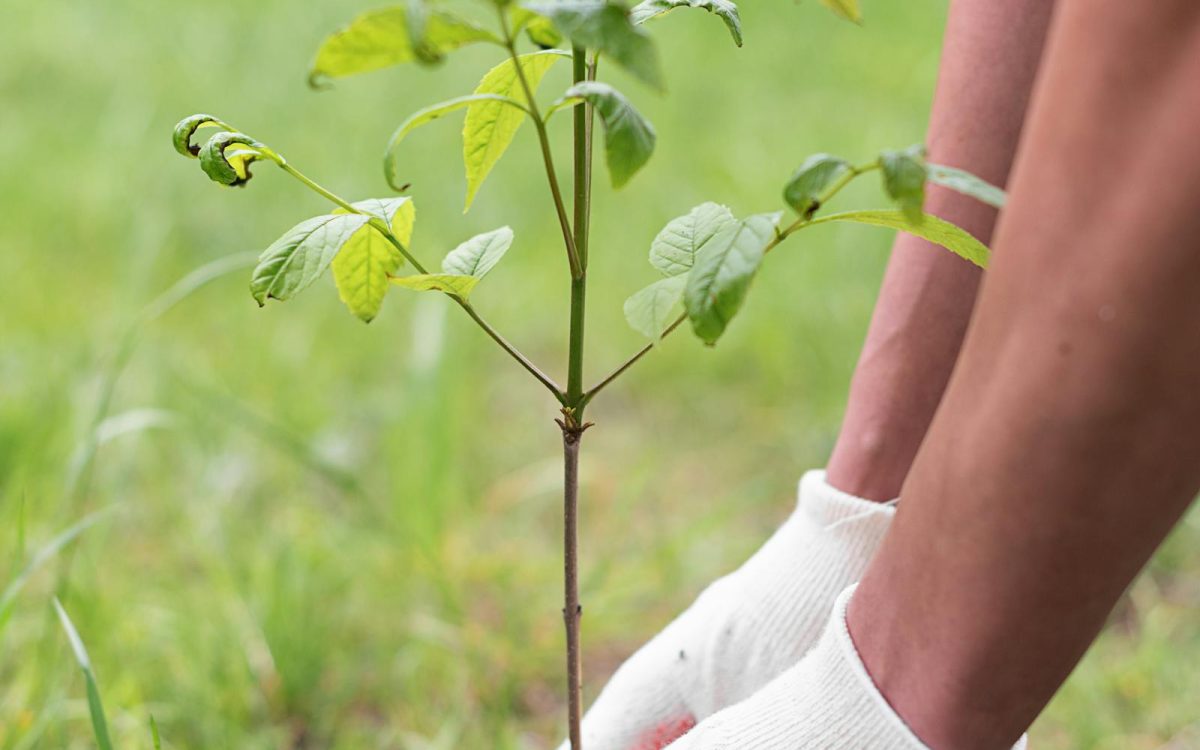
There is also a risk of well-intentioned but ineffective action. Tree-planting schemes that use the wrong species in the wrong places can harm native biodiversity instead of helping it. The good news is that the field has become more rigorous, and evidence-based conservation is improving its track record steadily.
What Recovery Actually Looks Like
Conservation is not only about preventing loss. Some of the most compelling stories in the field are about recovery. Species have returned from the brink, rivers have been cleaned up, and landscapes that seemed permanently damaged have regrown.
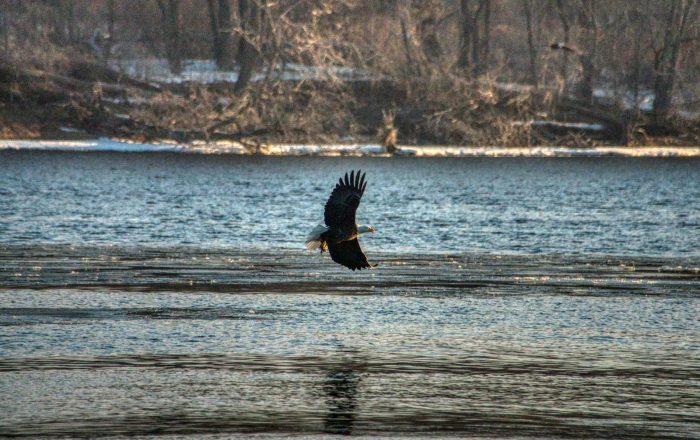
The bald eagle was once so scarce in the contiguous United States that it risked being wiped out entirely. A ban on DDT, combined with strict legal protection and active management, allowed the population to recover to the point that it was removed from the endangered species list in 2007. That took decades of patient work by many people, but it happened.
Recovery is possible. That is the honest, evidence-based conclusion of a century of conservation effort. It requires sustained attention and resources, and it works best when people understand what is at stake and why their part in it matters.
Start with curiosity. Look at what is living near you, what it needs, and what you can do to make that corner of the world a little more hospitable. That is not a small thing.