Anúncios
An oak tree in its native range supports over five hundred species of caterpillar. A Norway maple, introduced to North American gardens from Europe, supports fewer than five. Both trees are similar in size, both offer shade and structure, but the difference in wildlife value is staggering. That single comparison, first made prominent by entomologist Doug Tallamy, captures why native plants for wildlife outperform exotic species in ways that go far beyond aesthetics.
The Co-Evolution Principle
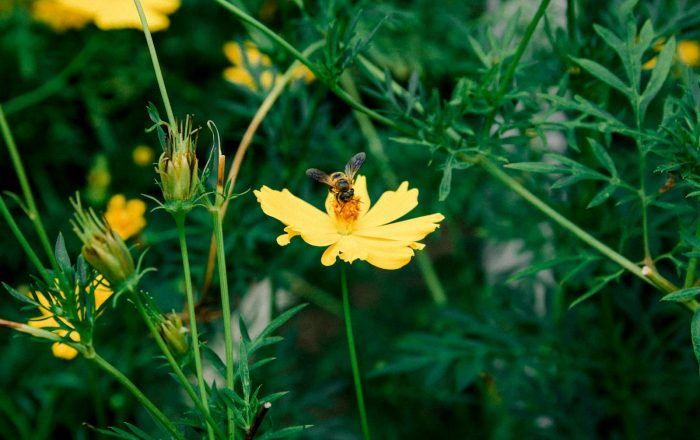
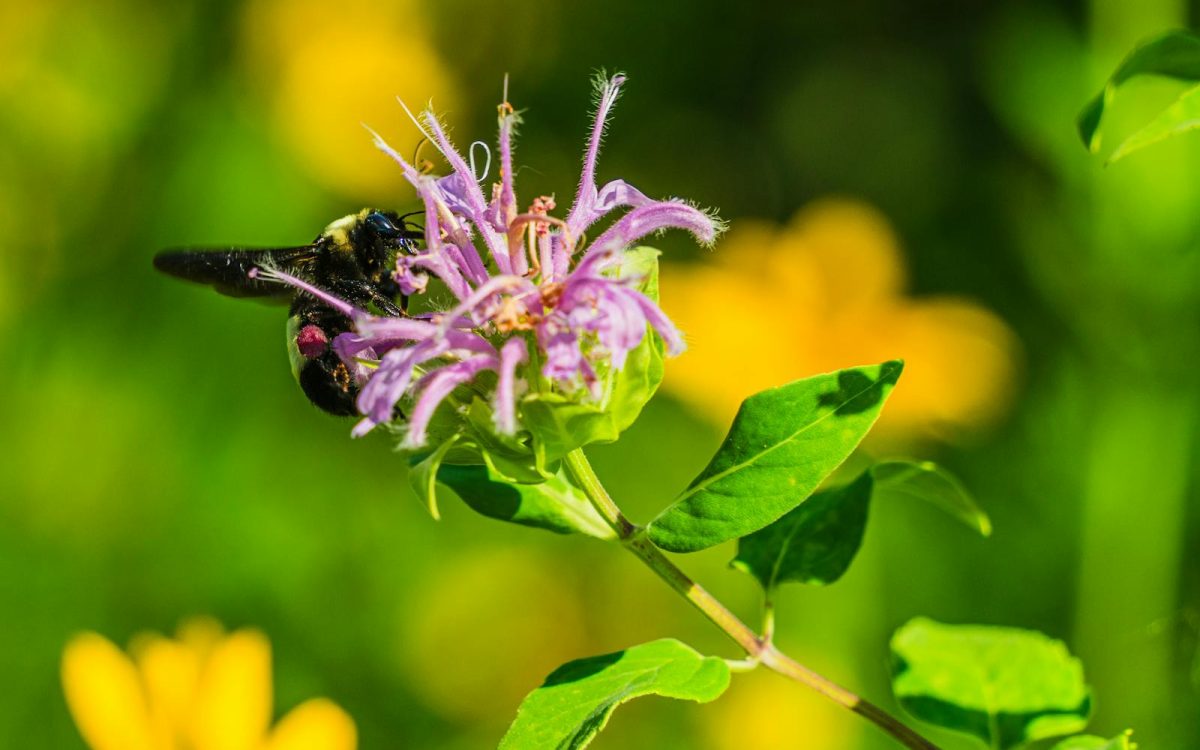
Native plants and local wildlife have shared space for thousands of years, and that time has shaped them at the molecular level. Most insects, particularly caterpillars and specialist bees, can only process the specific chemical compounds in the plants they evolved alongside. A bumblebee visiting a native coneflower is collecting pollen shaped to fit its body. A specialist mining bee may depend on a single native plant genus to reproduce. Introduce a non-native plant with different chemistry and different pollen shape, and those specialist relationships break down.
Anúncios
This matters because insects are the foundation. Birds depend on caterpillars, particularly to feed their young during the breeding season. Studies of chickadee nest success show that pairs nesting in yards with high native plant cover fledge significantly more chicks than those in yards dominated by exotic ornamentals, simply because the caterpillar supply is greater. Pull away the native plants and the entire food chain weakens at its base.
What Native Plants Offer That Exotics Often Cannot
Beyond caterpillar food, native plants provide several specific benefits that garden-center exotics frequently lack. Many native species produce berries, seeds, or nuts timed to ripen precisely when migratory birds need to fuel up in autumn. Native shrubs like elderberry, native viburnums, and serviceberry are wildlife food sources timed to the rhythms of local bird migration. An ornamental crab apple from Eastern Europe may fruit at a completely different time, missing that window entirely.
Anúncios
Native grasses provide nesting material, overwintering sites for insect eggs, and seeds for birds throughout winter. Big bluestem, little bluestem, and native switchgrass, left standing through the cold months, feed juncos, sparrows, and finches during exactly the period when other food is scarce. Cutting them back in late winter rather than autumn preserves all of that winter value while still tidying up before spring growth starts.
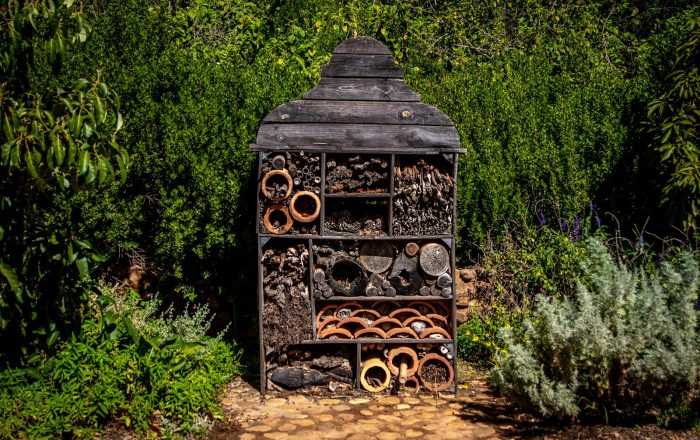
The physical structure of native plants also matters. Many native shrubs and perennials evolved with hollow or pithy stems that native solitary bees use as nest sites. About seventy percent of native bee species nest in the ground, but the remaining thirty percent depend on stem cavities. Leaving some cut stems standing at a range of heights throughout the garden provides nest sites that no manufactured bee hotel can fully replicate.
Starting With High-Impact Native Choices
Not all native plants are equal in their wildlife value. Some species support hundreds of insect species; others support only a handful. Tallamy and his colleagues have developed lists of what they call keystone plants: species that support disproportionately large numbers of wildlife, particularly caterpillars that in turn support birds. In most of the eastern United States, the top keystone genera are oaks (Quercus), cherries (Prunus), willows (Salix), birches (Betula), and native poplars (Populus).
If a full-sized tree is out of the question for your space, shrub-form keystone species are available. Native viburnums support over a hundred caterpillar species and produce bird-attractive berries. Buttonbush is a mid-sized native shrub that grows near water and is exceptional for pollinators. Native roses, wild columbine, and trilliums all punch above their weight in ecological terms relative to their garden footprint.
For herbaceous plants, purple coneflower, black-eyed Susan, native bee balm (Monarda), and goldenrod are reliable starters across much of North America. Goldenrod in particular deserves rehabilitation from its reputation as a hay fever plant: it is pollinated by insects, not wind, and its pollen cannot reach your nose unless you press your face into the flowers. The real hay-fever culprit is common ragweed, which blooms at the same time but is wind-pollinated.
Replacing Exotics Gradually and Strategically
A full overhaul of an established garden is rarely practical or necessary. A more realistic approach is gradual replacement: when an exotic plant reaches the end of its life or needs removing, replace it with a native equivalent. When buying new plants, default to native species first and only choose exotics when there is a specific reason to do so.
Start in the sunniest part of your garden, since most high-value native flowers and grasses need full sun to perform well. A sunny border shifted from exotic bedding plants to native coneflowers, bee balm, and grasses will show measurable increases in insect activity within a single growing season. From there, work outward into shadier areas with native woodland species like wild ginger, native ferns, and trilliums.
Source plants from reputable native plant nurseries rather than big-box retailers. Many native plants sold at large retailers are cultivars, selected for unusual flower color or compact growth, that may have reduced pollen or nectar production compared to straight species. Labels reading “nativar” (a contraction of native cultivar) should prompt a closer look. Straight native species and open-pollinated cultivars are generally preferable for wildlife.
The Lawn as an Opportunity
Few spaces in the residential landscape have lower wildlife value per square meter than a closely mowed, chemically treated lawn of non-native grass. Converting even a portion of a lawn to native ground cover or a meadow mix dramatically increases insect diversity. Native violets, creeping thyme, or a mix of native low-growing sedges can replace traditional lawn in partial-shade areas while needing far less maintenance.
A no-mow patch left in a corner, even as small as one square meter, supports ground-nesting bees, provides seeds for birds, and creates the layered cover that insects need to complete their life cycles. Mowing height makes a difference too: raising your mower to four or five inches and mowing less frequently allows clover and other low flowering plants in the lawn to bloom, providing a significant nectar source in an area that would otherwise be nearly lifeless.
Connecting to the Bigger Picture
A yard full of native plants does not operate in isolation. It becomes part of a habitat network, a linked series of gardens, parks, and green spaces that allows wildlife to move, feed, and breed across an otherwise fragmented landscape. Every native plant you add strengthens that network. When neighbors make similar choices, the effect multiplies rapidly.
If you are building a broader wildlife space, native plants work in concert with water sources, shelter features, and reduced pesticide use. The guide to creating a wildlife pond explains how water features connect to surrounding plantings, and the piece on starting a pollinator garden covers the nectar-plant combinations that support bees and other pollinators most effectively. Why pollinators need protecting provides the broader context for why these individual garden choices matter at a population level.
The shift toward native plants is not about making a garden look wild or untidy. It is about making a garden genuinely productive for the creatures that share our world. A well-designed native garden can be just as structured and visually appealing as any traditional border, and it comes alive in a way that no amount of exotic planting can match. Once you start noticing the extra insects, the extra birds, the extra life, it is difficult to look at a conventional ornamental garden without seeing what it is missing.