Anúncios
On Midway Atoll in the North Pacific, thousands of miles from the nearest city, Laysan albatross chicks die every year with stomachs full of plastic bottle caps, lighters, and fragments of packaging. Their parents fed it to them, having picked it from the ocean surface mistaking it for squid and fish. When researchers open the bodies, the plastic items are often perfectly readable: brand names, product codes, fragments of things that were used for seconds and thrown away years before.
That image captures something about plastic pollution that statistics alone sometimes miss. This is not a problem happening somewhere abstract. It is happening in some of the most remote places on earth, carried by currents and wind, embedded in food chains that connect the surface of the ocean to the bodies of birds that have never flown within sight of a city.
Anúncios
How Plastic Enters the Environment
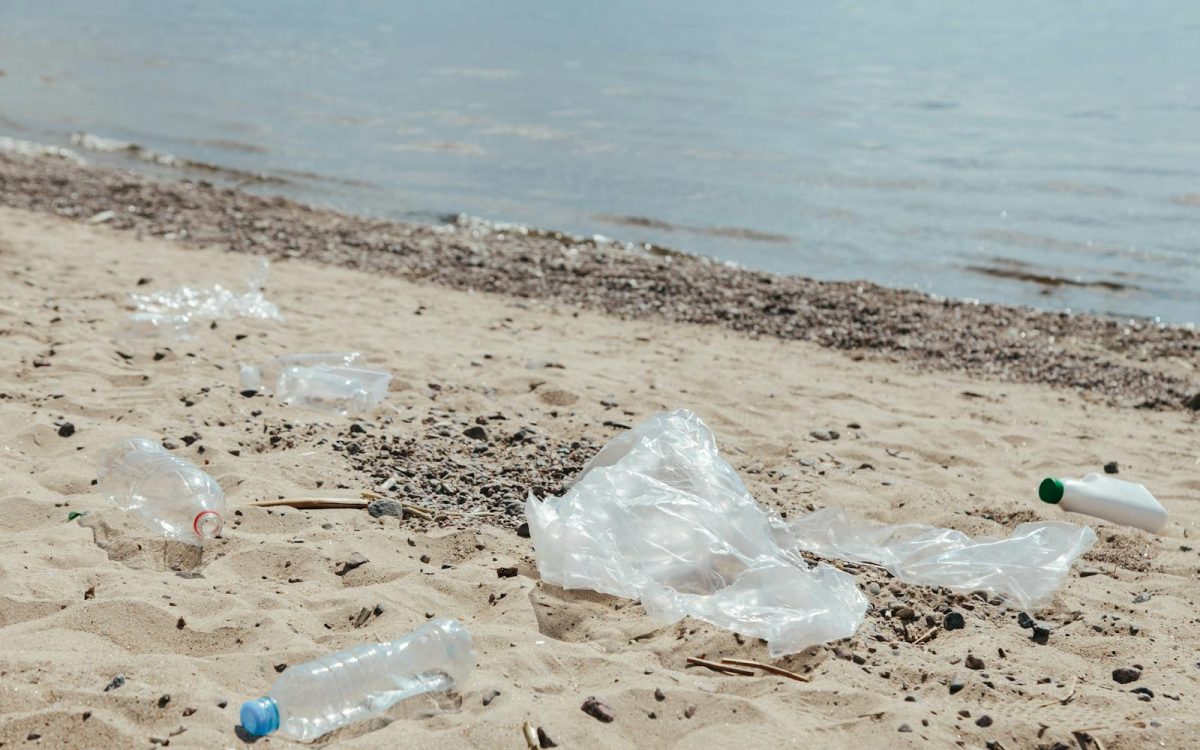
The majority of plastic waste that ends up in the ocean originates on land. Rivers carry it from littered streets, open dumps, and overwhelmed waste systems. In countries without developed waste infrastructure, large rivers can carry thousands of tonnes of plastic to the sea each year. In wealthier countries with better collection systems, plastic still escapes through drains, storm overflows, littering, and industrial spills of the pre-production pellets called nurdles.
Once in the ocean, plastic does not stay in one piece. Ultraviolet radiation from the sun, physical abrasion from waves, and the action of bacteria break larger items into progressively smaller fragments. These microplastics, defined as particles smaller than 5 millimeters, now exist in virtually every marine environment sampled, from surface waters to deep sea sediments more than 10,000 meters below the surface.
Anúncios
Freshwater systems are also seriously affected. Studies of rivers, lakes, and floodplains consistently find microplastic contamination. Alpine snow and Arctic sea ice, once assumed pristine, have been found to contain microplastics transported there by atmospheric processes.
Entanglement: The Visible Harm
The most immediate harm plastic causes to wildlife is physical. Animals become entangled in plastic rings, packaging straps, discarded fishing line, and ghost gear, the term for fishing nets and lines lost or abandoned at sea. Ghost gear is estimated to affect over 700 species of marine animals.
A seal pup with a plastic strap around its neck will carry that constraint as it grows, the plastic cutting deeper as the animal’s body expands around it. Sea turtles entangled in nets drown because they cannot surface to breathe. Whales have been found dead with hundreds of kilograms of plastic blocking their digestive systems.
On land, hedgehogs explore packaging left outdoors and get their heads stuck in yogurt pots and drink cans. Birds incorporate plastic into nests, where it can trap and injure chicks. Deer, cattle, and other grazers ingest plastic along with grass and forage, accumulating it in their digestive tracts over time.
Ingestion and the Microplastic Problem
Beyond entanglement, wildlife consumes plastic both by accident and because it resembles food. Seabirds mistake floating plastic fragments for fish eggs or small prey. Sea turtles consume floating plastic bags that look and move like jellyfish. Filter-feeding animals like mussels, oysters, and whale sharks cannot distinguish microplastic particles from the plankton they consume.
Once inside an animal, plastic can cause physical obstruction, create a false sense of fullness that leads to starvation, and release chemical additives. Plastics are manufactured with a range of chemicals including plasticizers, flame retardants, and colorants, some of which are biologically active. Also, plastic surfaces attract and concentrate persistent organic pollutants from the surrounding water, meaning a microplastic particle can carry a concentrated chemical load into the gut of whatever ingests it.
Microplastics have now been detected in human blood, breast milk, and placental tissue, making this a human health question as well as a wildlife one. The full health implications are still being researched, but the contamination itself is well-established.
What the Research Says About Scale
A 2022 global estimate suggested that roughly 171 trillion microplastic particles float in the world’s oceans, a figure that has grown at a rate consistent with plastic production rather than leveling off. Plastic production globally is still increasing. Without significant changes to production and waste systems, environmental accumulation will continue.
Certain ecosystems act as sinks where plastic accumulates. Ocean garbage patches, the most famous being the Great Pacific Garbage Patch, are regions where converging currents concentrate floating debris. These are not solid islands of plastic, as they are sometimes depicted, but they contain plastic at densities that affect marine food webs throughout the water column.
Coral reefs are particularly vulnerable. A study published in the journal Science found that the risk of disease in corals increased from 4 percent to 89 percent when plastic was present on the reef, likely because plastic surfaces harbor pathogenic bacteria and physically injure coral tissue, creating entry points for infection.
Actions That Actually Help
Not all responses to plastic pollution are equally effective, and it is worth being honest about which ones move the needle.
At the individual level, reducing single-use plastic consumption has real impact because it reduces demand. Carrying a reusable bag, bottle, and coffee cup consistently over a year removes hundreds of single-use items from the waste stream. Avoiding products with excessive packaging, choosing items with packaging made of materials that are actually recycled in your local area, and properly disposing of all waste so it cannot escape collection, these behaviors matter when adopted by enough people.
Beach and river cleanups remove plastic before it fragments and enters food chains, and they provide valuable data on litter sources. Participating in organized cleanups or simply picking up plastic when you encounter it in nature is a genuine contribution.
At a policy level, the changes that have shown the largest measurable effects are plastic bag fees and bans. Countries and jurisdictions that have introduced a charge on single-use carrier bags have seen use fall by 80 to 90 percent in some cases. Extended producer responsibility schemes, which require manufacturers to manage the end-of-life of their packaging, shift the financial cost of plastic waste from local governments and taxpayers onto the companies that produce it.
Supporting organizations that advocate for these policy changes is one of the highest-use actions available to someone who cares about plastic pollution but cannot alter industrial production systems on their own. Our guide on supporting conservation on a budget covers how to find and evaluate organizations worth backing.
Connecting the Dots to Broader Wildlife Health
Plastic pollution does not exist in isolation from other conservation challenges. Habitat loss, chemical contamination, and the stresses of climate change all reduce the resilience of wildlife populations, making them less able to absorb the additional burden of plastic ingestion and entanglement. A sea turtle population already stressed by warming seas and habitat loss on nesting beaches is more vulnerable to plastic-related mortality than a healthy, thriving population would be.
This is why conservation groups working on plastic pollution increasingly coordinate with those working on habitat protection and broader ecosystem health. The threats to wildlife do not arrive one at a time, so the responses need to address multiple pressures together.
Small Choices, Real Consequences
Plastic pollution can feel overwhelming in its scale, but the personal and collective responses available to ordinary people are genuine and measurable. The Laysan albatross chick on Midway is far away, but the bottle cap in its stomach started close to someone’s hand. Keeping that cap out of the environment is a small act with a traceable effect. Multiplied across millions of people, those small acts add up to reduced production pressure, cleaner waterways, and fewer fragments reaching the birds and fish and turtles that cannot navigate around them.