Anúncios
A few years ago, a team of researchers counted every known Amur leopard on Earth. They found fewer than 100 animals distributed across a thin strip of Russian Far East forest. That is not a typo. One hundred individuals, for an entire species, spread across an area smaller than some counties.
The Amur leopard is one of the most endangered large mammals alive. Its situation crystallises something that is easy to miss in the abstract: when we talk about endangered species, we are talking about populations that have been reduced to fragments of their former size, often in fragments of their former range. Understanding how that happens is more useful than simply feeling distressed about it.
Anúncios
What the Word ‘Endangered’ Actually Means
Not every rare species is endangered, and not every endangered species is rare by nature. Biologists use a specific framework, the International Union for Conservation of Nature Red List, to assess extinction risk in a standardised way. The categories, from least concern through vulnerable, endangered, critically endangered, and on to extinct in the wild, are based on measurable criteria.
A species qualifies as Endangered when it meets thresholds such as a population reduction of at least 50 percent over the past ten years, a very restricted area of occupancy, or a population estimated at fewer than 2,500 mature individuals with an ongoing decline. These are not arbitrary numbers. They reflect decades of research into what population sizes and trends historically predict species loss.
Anúncios
The label matters because it triggers legal protections in many countries and helps direct conservation funding toward the species most in need. It is a tool, not a verdict. The full spectrum of threat categories, from threatened to extinct, forms a picture of where different species stand and how urgently they need attention.
The Main Reasons Species Decline
No single cause accounts for all endangerment. In practice, most struggling species face several pressures at once, and those pressures interact in ways that can make a bad situation deteriorate faster than any one factor would suggest.
Habitat loss and degradation are the dominant forces. When a forest is cleared for farmland, a wetland drained for development, or a grassland converted to a monoculture, the species that lived there have nowhere to go. Some can adapt to fragmented or altered environments. Most cannot. A grassland bird that needs unbroken prairie to breed successfully does not simply move into a cornfield. It disappears from that area, and if the process is repeated broadly enough, it disappears altogether.
Habitat degradation is subtler but equally damaging. A forest does not have to be felled to become unusable. Edge effects from surrounding development can increase predation rates inside the forest edge. Pesticide drift from nearby agriculture can collapse insect populations that the forest species depend on. Noise and light pollution disrupt breeding behaviour. A habitat can look intact from a distance while quietly failing on the inside.
Overhunting and Exploitation
Direct killing has driven species extinct and remains a major threat today. The passenger pigeon is the textbook case: a bird once so abundant that its flocks darkened the sky for days was hunted to extinction within a few decades of industrial-scale commercial shooting. The great whales were brought to the edge of extinction by commercial whaling before international moratoria slowed the take.
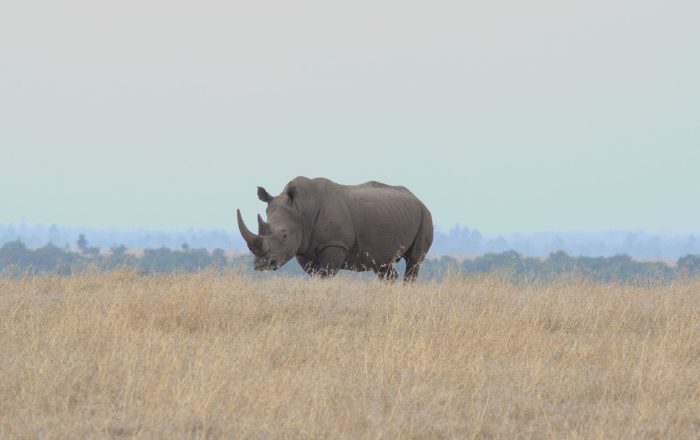
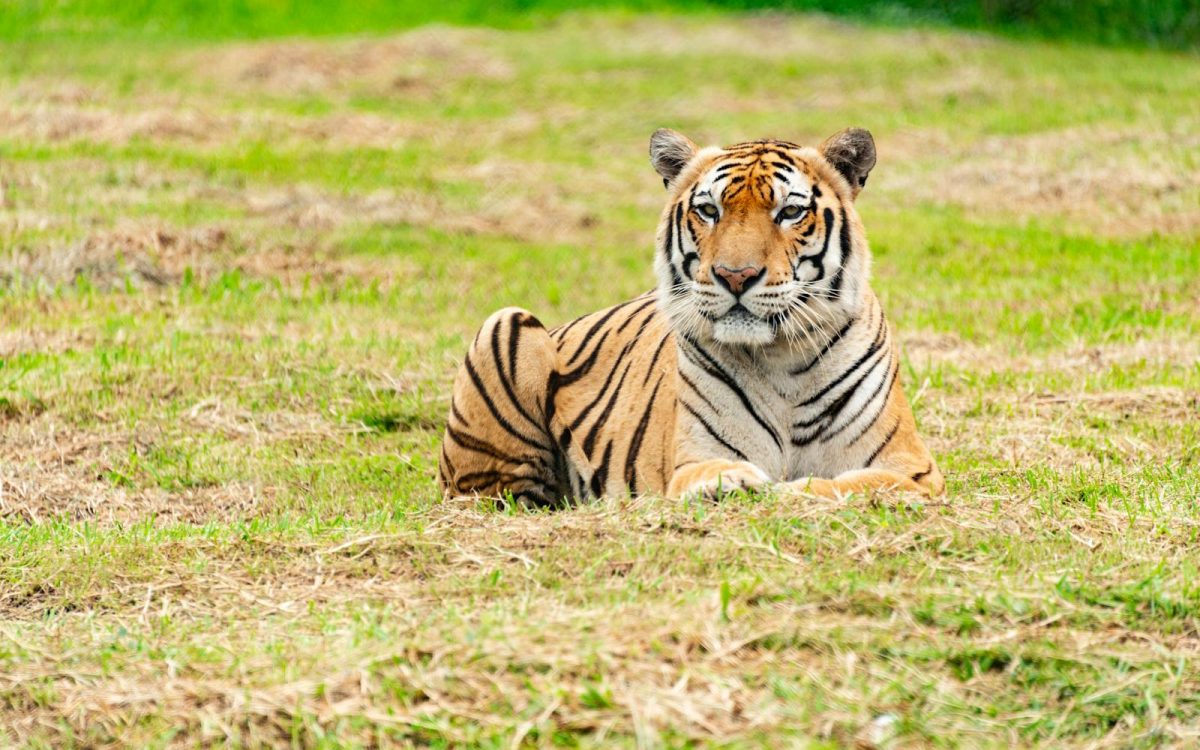
Poaching for illegal wildlife trade continues to threaten elephants, rhinos, pangolins, and several species of big cats. The economics are grim: as a species becomes rarer, its black-market value often rises, which can accelerate hunting rather than slow it. This perverse dynamic makes enforcement and demand reduction, particularly in consumer markets, essential parts of any meaningful response.
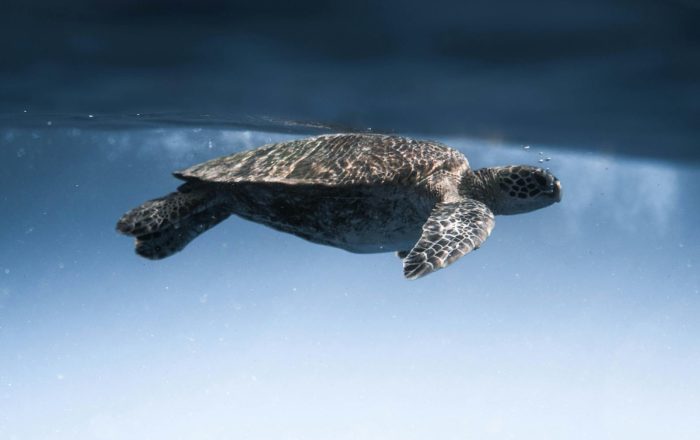
Less visible but equally serious is bycatch: the unintentional killing of non-target species in fishing gear. Sea turtles, albatrosses, dolphins, and sharks are among the groups most affected. A fishing fleet targeting one species can incidentally devastate another.
Invasive Species and Disease
When a species arrives in a new environment where it has no natural predators, competitors, or diseases, it can spread rapidly and displace the species that evolved there. The brown tree snake introduced to Guam after World War II wiped out most of the island’s native bird species within decades. Rats, cats, and pigs introduced to oceanic islands have driven dozens of ground-nesting birds extinct.
Disease can act with terrifying speed. Chytrid fungus, introduced around the world partly through the global pet and research trades, has caused the decline or extinction of over 200 amphibian species, making it one of the most destructive wildlife diseases ever recorded. White-nose syndrome, a fungal disease in bats, has killed millions of cave-hibernating bats in North America since it arrived from Europe around 2006.
These examples share a common thread. Human movement, of goods, animals, and people, introduces threats to populations that have no evolutionary defences against them. The speed of globalisation has dramatically outpaced nature’s ability to adapt.
Climate Change as a Compounding Factor
Climate change is not a future threat. It is operating now, and its effects interact with all the other pressures species face. Coral bleaching driven by warming ocean temperatures has already reduced the cover of tropical reefs that thousands of species depend on. Shifts in flowering and insect emergence times are desynchronising plants and the pollinators they co-evolved with. Sea-level rise is eroding coastal nesting habitat for shorebirds and sea turtles.
For a species that is already restricted to a small area or a narrow climate band, the change does not need to be large before it becomes catastrophic. The mountain pygmy possum in Australia, for example, depends on snow cover for insulation during its winter dormancy. Shorter, thinner snow seasons are directly shortening its survival window.
What makes climate change particularly challenging for conservation is that it can undermine habitat protection. A nature reserve that was ideal habitat in 1990 may be too warm, too dry, or too frequently flooded to serve the same species by 2050. Wildlife corridors that allow species to shift their ranges in response to changing conditions are becoming a central tool in adapting conservation to a warmer world.
The Biology of Vulnerability
Not all species are equally vulnerable to these pressures. Some biological traits reliably predict fragility. Species that reproduce slowly, like elephants, sharks, and many large birds of prey, cannot replace losses quickly. A population of slow-breeding animals can be tipped toward collapse by a sustained increase in adult mortality that a faster-breeding species would absorb.
High specialisation is another risk factor. A species that eats only one food, nests in only one type of structure, or lives in only one narrow elevation band has few options when conditions change. Generalists, species that can eat many things and tolerate varied conditions, tend to persist in disturbed landscapes. Specialists tend not to.
Small, isolated populations face genetic risks as well. Inbreeding reduces the genetic diversity that allows populations to respond to disease and environmental change. The Florida panther, reduced to a tiny isolated population, began showing signs of inbreeding depression, including heart defects and kinked tails, before managers introduced individuals from Texas to restore genetic diversity. The population’s health improved measurably within a few generations.
Why the Framing Matters
It is tempting to frame endangered species as a story of things being lost, and loss is real. But the more useful frame is that most species currently listed as endangered are still alive. Their populations are depleted, their habitats are reduced, and they face serious pressures. But they exist, and existing populations can recover when the conditions that drove their decline are addressed.
Effective action on endangered species rarely requires heroics. It requires understanding what specific threats a specific species faces, and then working systematically to reduce those threats. That can mean supporting better land-use policy, reducing consumption of products linked to deforestation, choosing seafood from well-managed fisheries, or simply making your own property more hospitable to native species that are under pressure nearby.
The Amur leopard count has slowly risen since that early survey. It is now estimated at around 100 animals in the wild, with additional individuals in managed breeding programmes. It is not a comfortable number, but it is a sign that the trajectory can shift. Most recoveries begin with exactly that kind of stubborn, patient refusal to accept the downward line as inevitable.