Anúncios
A robin spent three weeks in my neighbor’s yard last spring, systematically working through every patch of bare soil under her hedge. She had not planted anything special or installed any features. She had simply stopped raking the leaf litter from underneath the shrubs in autumn, and that single habit change created the exact foraging habitat a robin needs. Small decisions carry real weight for wildlife.
Step 1: Add a Water Source
Water is the fastest improvement you can make to any yard. A shallow container, no deeper than five centimetres at its deepest point, with a few pebbles or a stone in the centre for grip, attracts birds, bees, butterflies, and hedgehogs within days of setting it up. Place it in partial shade to slow evaporation and keep the water cooler. Clean it every two or three days to prevent algae and, critically, to avoid becoming a mosquito breeding site.
Anúncios
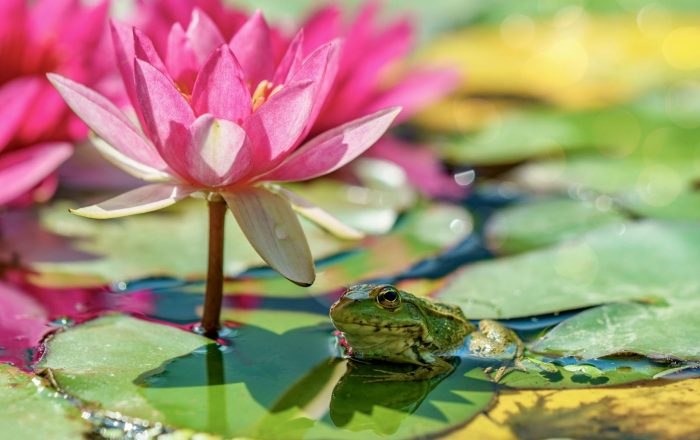
A full small wildlife pond is the single most impactful feature you can add to a garden, supporting frogs, newts, aquatic insects, and birds, but even a large planter or half-barrel works as a starter pond for those without the space or commitment for a dug pond.
Step 2: Plant at Least Three Native Species
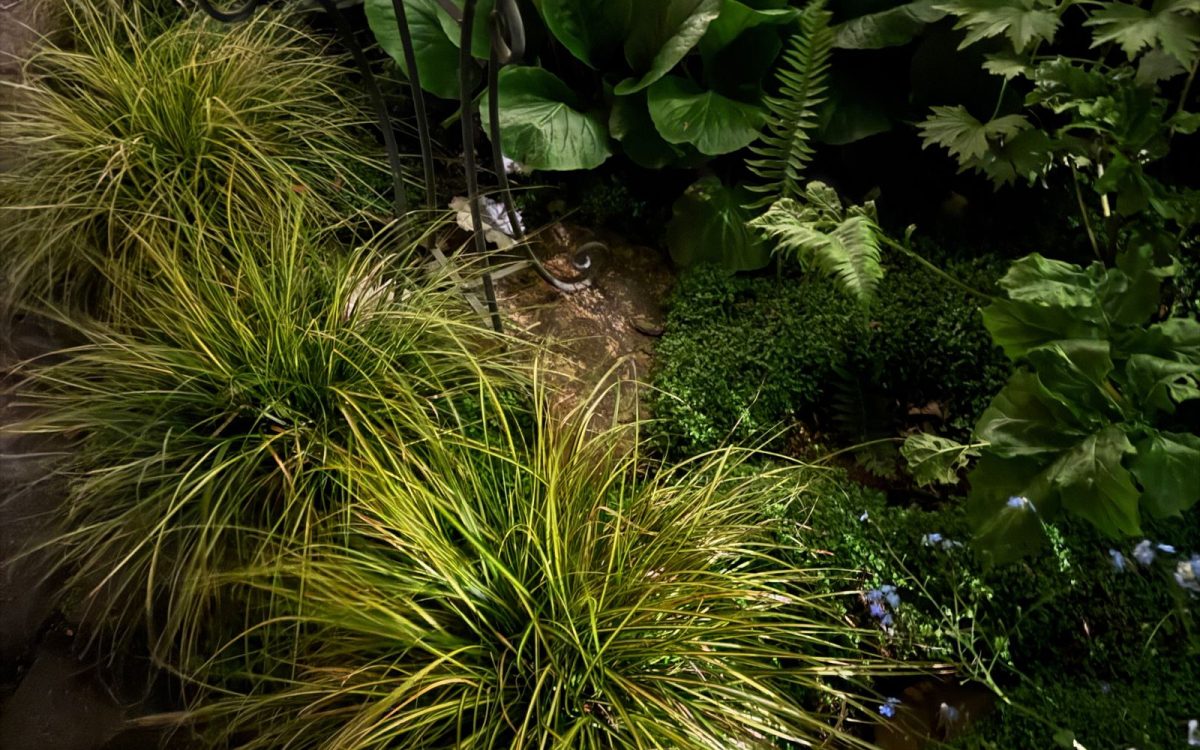
You do not need to replant everything at once. Start by replacing or supplementing three existing plants with native species suited to your region. In the eastern United States, native choices like coneflower, wild columbine, and native asters give you flowers from spring through autumn and support dozens of pollinator species. In the UK, native foxglove, red valerian, and field scabious do similar work.
Anúncios
Native plants support wildlife at multiple levels: their flowers feed adult pollinators, their leaves host caterpillars that in turn feed nesting birds, and their seeds and berries carry wildlife through the hungry months of late winter. An ornamental imported plant may look similar but often provides only a fraction of that food chain.
Step 3: Create a Brush Pile
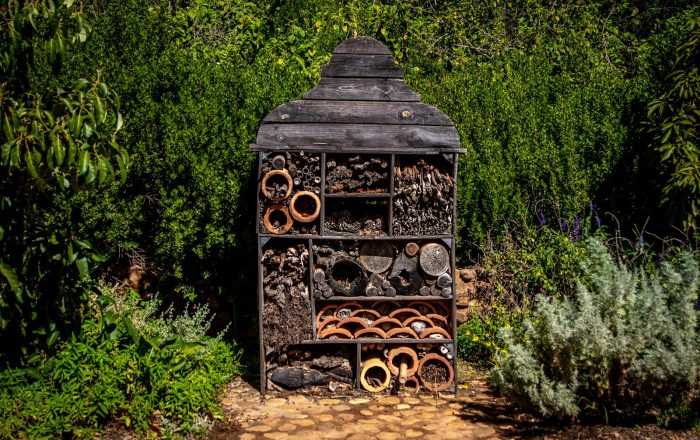
Gather pruned branches, fallen sticks, and woody debris into a loose pile in a quiet corner of the yard, roughly a metre across and half a metre high. This creates shelter and foraging habitat for wrens, thrushes, ground beetles, hedgehogs, and a range of invertebrates. It looks informal but it is one of the most ecologically productive features you can add at zero cost.
A brush pile under or near dense shrubs is more effective than one in the open. The combination of overhead cover from the shrub and the microhabitat inside the pile recreates the conditions of a woodland floor edge, exactly the kind of habitat that many small animals and ground-nesting birds seek out.
Step 4: Leave Leaf Litter in Place
The instinct to rake every autumn leaf off garden beds and bag it is understandable but, for wildlife, costly. Leaf litter is the overwintering home of hundreds of invertebrate species, including the pupae of many moth and butterfly species, as well as burrowing beetles and centipedes. Many of these invertebrates are the food source that birds rely on in late winter when little else is available.
Leave leaf litter under hedges, at the base of trees, and along garden borders. If tidiness matters, rake it from the lawn and redeposit it in those informal zones rather than removing it entirely.
Step 5: Put Up a Bird Box
Natural nest sites, hollow trees and dense old hedgerows, are in short supply in most managed gardens. A wooden nest box screwed to a tree or fence post at least two metres off the ground provides a direct substitute. The entrance hole size determines which species will use it: a twenty-five millimetre hole suits blue tits and coal tits; a thirty-two millimetre hole admits house sparrows and tree sparrows. Face the box between north and southeast to avoid direct hot sun and driving rain.
Clean the box out each autumn after the breeding season ends, usually in September or October. Removing old nesting material reduces parasite loads and makes the box more attractive for the following spring. Some birds use empty boxes for roosting in winter, so leave them up year-round.
Step 6: Reduce or Eliminate Pesticide Use
Most garden pesticides do not discriminate between pest species and the beneficial insects that keep pests under control naturally. A healthy, diverse garden rarely needs chemical intervention. Lacewings, ladybirds, ground beetles, and parasitic wasps handle aphids, slugs, and caterpillars remarkably well if you give them habitat and stop killing them.
If you need to treat a specific problem, choose the least toxic option, apply it in the evening when pollinators are not active, and never spray open flowers. Over two or three seasons of reduced pesticide use, most gardens reach a natural balance where pest outbreaks become less frequent and shorter in duration.
Step 7: Install a Feeder and Keep It Clean
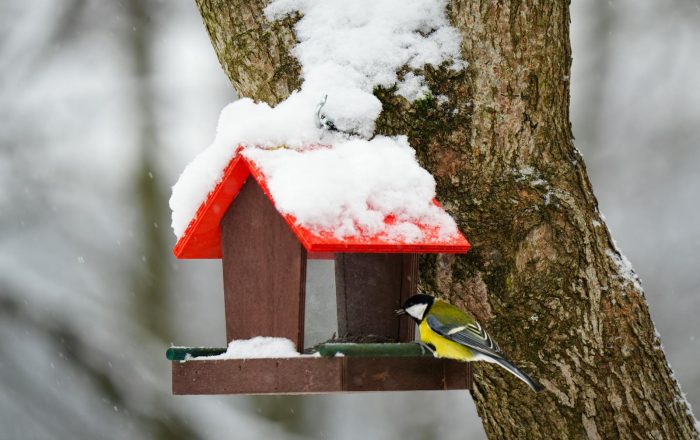
Bird feeders extend the food available to birds through winter and early spring, when natural seeds are depleted and invertebrates are dormant. Black-oil sunflower seeds in a tube feeder attract the widest range of species. Fat balls in a wire cage provide high-calorie winter fuel for tits, sparrows, and nuthatches. Position feeders within a metre or two of dense cover so birds can retreat quickly if a predator appears, but not so close to a hedge that a cat can use it as an ambush point. For full guidance on safe and responsible feeding practices, this piece on feeding backyard birds covers the details.
Step 8: Reduce Hard Surfaces
Paved or gravelled front yards have expanded dramatically in recent decades as people remove lawns for low-maintenance parking areas. This loss of permeable surface reduces foraging habitat, eliminates plant cover, and contributes to urban flooding. Even replacing a one-metre strip of paving with a border of native plants makes a difference. Where you cannot remove hard surfaces, grow plants up walls and fences. A south-facing wall covered in ivy, climbing hydrangea, or native honeysuckle provides nesting sites for several bird species and flowers that feed insects in spring and summer.
Step 9: Let Some Areas Go
A small patch of unmown grass, roughly two metres by one metre, left to grow from April through late summer, will often produce a surprising display of wildflowers from seeds already in the soil, including clover, self-heal, bird’s-foot trefoil, and wild chamomile. These flowers feed bumblebees, solitary bees, and butterflies without any planting on your part. Mow the patch low once in late August and leave the cuttings for a few days so seeds can fall before raking them off.
This is one of those cases where doing less actively creates more habitat. The challenge is resisting the social pressure to keep every inch of grass clipped. A small sign or border around the patch signals that the long grass is intentional, which tends to satisfy most neighbours.
Step 10: Connect Your Yard to the Wider Landscape
Wildlife moves through networks of habitat, not isolated islands. A hedgehog needs to travel up to two kilometres on a foraging night; a bumblebee queen prospecting for a nest site covers a similar range. Gaps in fences at ground level, roughly thirteen centimetres wide, allow hedgehogs and small mammals to move freely between neighboring yards. Coordinate with neighbors if you can. Ten gardens with connected ground-level gaps function as a single habitat corridor of genuine value. For more context on why these connections matter so much for species survival, this explanation of wildlife corridors makes the principle clear.
None of these ten steps require a large budget or a complete overhaul of your yard. Pick two or three to try this season, and add more as you see results. The birds, bees, and small mammals in your neighborhood will find the improvements faster than you expect.