Anúncios
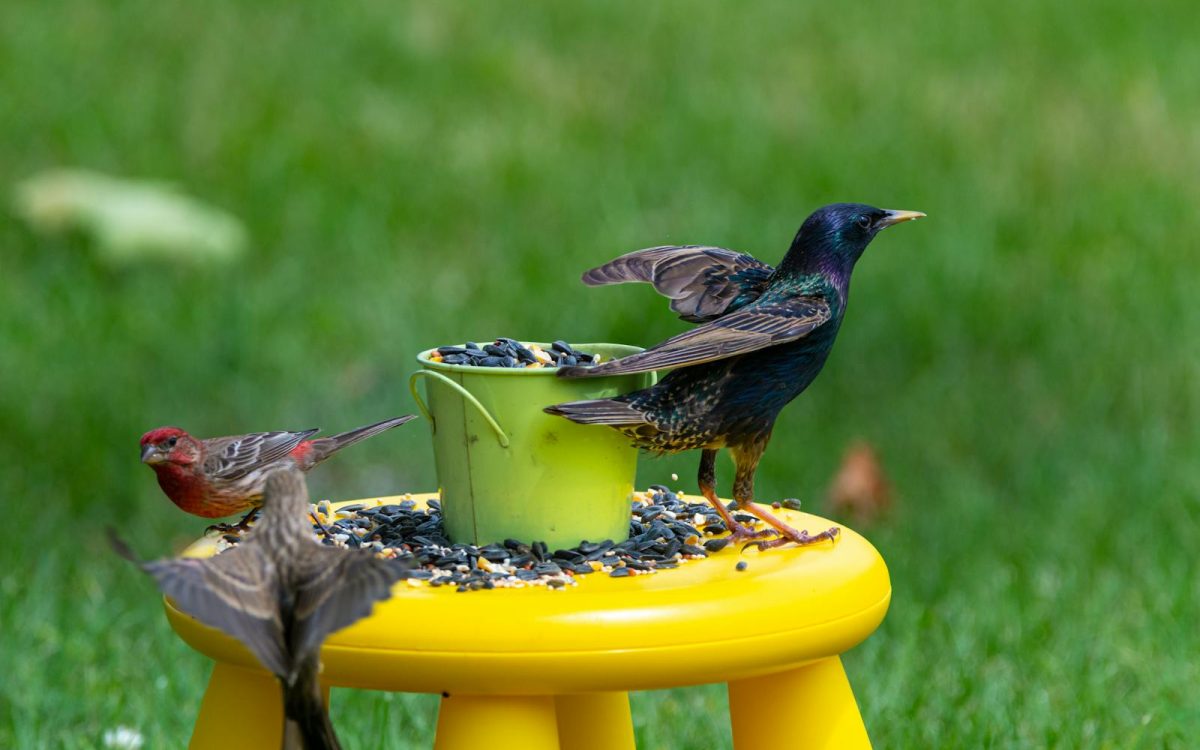
The feeder outside my kitchen window fills up with chickadees on cold December mornings within minutes of me refreshing the seed. Watching them, I sometimes think the whole exchange feels mutual: they get calories, and I get a reason to stand quietly by the window for five minutes before the day begins. But that warmth of feeling does not mean the feeder is automatically helping them. The details matter more than most people realise.
Why Feeding Backyard Birds Matters and Where It Can Go Wrong
Bird populations across North America and Europe have declined significantly in recent decades, with some studies suggesting a loss of roughly three billion birds in North America since 1970. Habitat loss, pesticide use, and climate-driven shifts in food timing all play roles. Backyard feeders can genuinely help individual birds survive cold winters, fuel migratory journeys, and raise young during breeding season.
Anúncios
The problems arise from carelessness rather than intent. A dirty feeder becomes a disease transmission point. Food put out on the ground consistently attracts rats and grey squirrels that then become established problems. The wrong foods, bread being the most common offender, give birds a full feeling without providing the nutrients they need, a condition called malnutrition in the face of apparent plenty. None of these problems are hard to prevent, but you do need to know about them first.
Choosing the Right Foods
Black-oil sunflower seeds are the single best all-purpose bird food for most temperate regions. Their high oil content provides concentrated energy, their thin shells are easy for small birds to crack, and they are taken by an exceptionally wide range of species from finches and tits to nuthatches and woodpeckers. They also go stale and rancid less quickly than mixed seed blends, which often contain fillers like milo and millet that most birds in North America and the UK simply drop on the ground.
Anúncios
Fat balls or suet cakes are a second essential, particularly in winter. They supply high-calorie fat that helps birds maintain body temperature during cold nights. Look for plain fat balls without added sugar or salt. Peanut pieces, not whole peanuts, provide protein and fat and attract woodpeckers, jays, and nuthatches. If you want to feed peanuts during breeding season in spring and summer, use a wire mesh feeder with openings small enough that birds can only peck out small fragments, reducing the risk of adults carrying whole peanuts back to nestlings who can choke on them.
Live mealworms are a premium treat that is particularly valuable in spring, when parent birds are hunting high-protein food for growing chicks. Dried mealworms are less nutritious but more convenient. Both should be treated as a supplement, not a main food source.
Never put out bread, crackers, cooked rice, or salty processed foods. These fill birds up without providing the fats, proteins, and micronutrients they need. Over time, birds fed primarily on bread can develop a condition called angel wing, a skeletal deformity caused by nutritional deficiency.
Feeder Types and Their Best Uses
A tube feeder with small ports and a tray underneath is the most practical general-purpose design. The small ports exclude larger birds and reduce waste. A tray below catches falling seed and keeps it available for ground-feeding species like juncos and towhees without spreading seed directly on the soil where rats can access it easily.
A cage-surrounded fat ball feeder keeps large corvids from dominating the fat while allowing smaller birds free access. Platform feeders placed on poles, with a squirrel baffle installed below the platform, work well for offering a variety of foods including fruit, which attracts thrushes and mockingbirds. Ground feeders prefer flat trays placed close to cover, but these should only be used where you are confident rodents are not a problem in your area.
The question of feeder placement intersects with window collision risk. Window strikes kill an estimated six hundred million birds per year in North America alone. Positioning a feeder within thirty centimetres of a window actually reduces deaths because birds leaving the feeder cannot build enough flight speed to suffer serious injury from a strike at that distance. Feeders placed two to ten metres from windows represent the highest risk zone. Preventing window collisions covers this in more detail and includes practical deterrent solutions.
Cleaning Your Feeder: The Part Most People Skip
A case study from the UK illustrates the stakes clearly. Trichomonosis, a parasitic disease, moved through British greenfinch and chaffinch populations starting in the mid-2000s and caused population declines of roughly thirty-five percent in greenfinches within a decade. The disease spreads directly through shared feeders and damp, contaminated seed. Bird banders and researchers traced outbreaks directly to clusters of unclean feeders in suburban gardens.
Clean tube feeders every two weeks in cool weather and every week in summer. Use a dilute bleach solution, one part household bleach to nine parts water, scrub all surfaces including the ports with a bottle brush, rinse very thoroughly, and allow the feeder to dry completely before refilling. Wet seed in a recently cleaned but not fully dried feeder will mould within days. A second feeder lets you rotate: one in use, one drying.
Rake up seed husks and dropped food from under feeders weekly. Old seed on the ground compacts, moulds, and attracts rodents. Moving your feeder location every month or six weeks allows the ground underneath to recover and prevents a build-up of droppings and seed debris that can harbor disease.
Seasonal Adjustments
Winter is when feeding has the greatest direct impact on survival. Birds in cold climates burn significant calories maintaining body temperature overnight and need to begin foraging immediately at first light. A well-stocked feeder in January or February can be the difference between a bird making it to dawn or not during a severe cold snap.
Spring brings new considerations. Many birds begin nesting from March onwards, and parent birds will carry food back to nestlings. Avoid putting out loose peanuts or very large seeds during this period; choose peanut pieces, fine suet crumble, and softer seeds instead. Mealworms, live or dried, are particularly welcome in spring as a high-protein supplemental food.
Summer feeding is optional but can be continued with attention to cleanliness. Higher temperatures accelerate mould growth in feeders and seed spoilage. Check feeders every few days and discard any seed that looks clumped, discoloured, or smells musty. For birds that do not visit feeders at all, growing the right plants is a more effective approach. A garden planted for pollinators and wildlife provides caterpillars, berries, and seeds that feed species no feeder will ever attract. Native plants are particularly effective for this.
What to Do When Things Go Wrong
If you notice sick or lethargic birds at your feeder, birds sitting fluffed up with labored breathing, discharge from eyes or beak, or birds that allow you to approach closely, take your feeders down immediately. Clean them thoroughly with bleach solution and leave them down for two weeks. This breaks the transmission cycle and allows sick birds to disperse and either recover or die away from the feeder before healthy birds contact the same surfaces.
Report unusual numbers of sick or dead birds to your local wildlife organization. In the UK, the Garden Wildlife Health project at the Zoological Society of London tracks disease outbreaks with data from backyard observers. In North America, the Cornell Lab of Ornithology accepts similar reports. These citizen reports have driven real conservation responses.
The window between putting out a full feeder and walking away satisfied is also a good moment to pay attention to who is visiting. Starting to identify the birds at your feeder turns a simple daily chore into an ongoing, rewarding encounter with the wildlife that shares your neighborhood. A thirty-second pause by the window each morning, seed scoop in hand, is often enough to get the habit going.