Anúncios
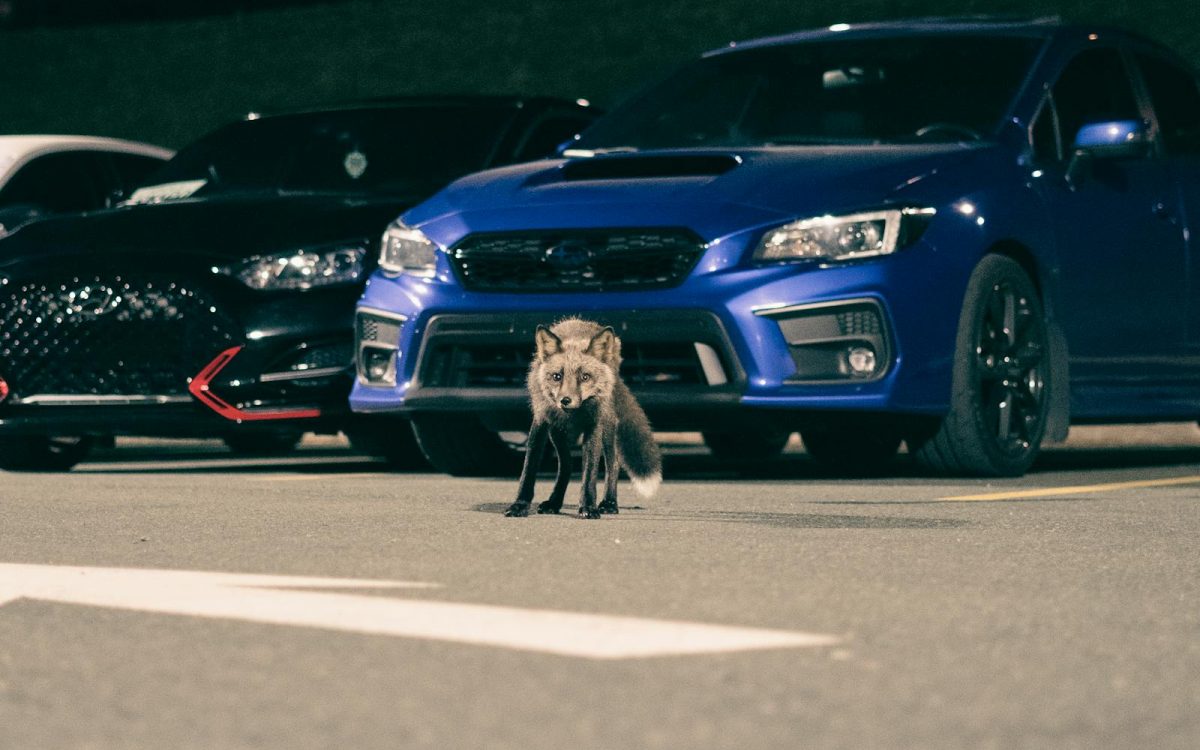
Most people’s first reaction when they spot a fox sitting calmly on their garden wall, or find raccoon tracks in the flowerbed, is surprise followed quickly by a question: why is it here? The honest answer is that the animal is here for the same reasons people settle in particular places: reliable food, safe shelter, and a climate that works for raising a family. Cities, as it turns out, offer all three in abundance.
Urban Wildlife Is Not a New Trend
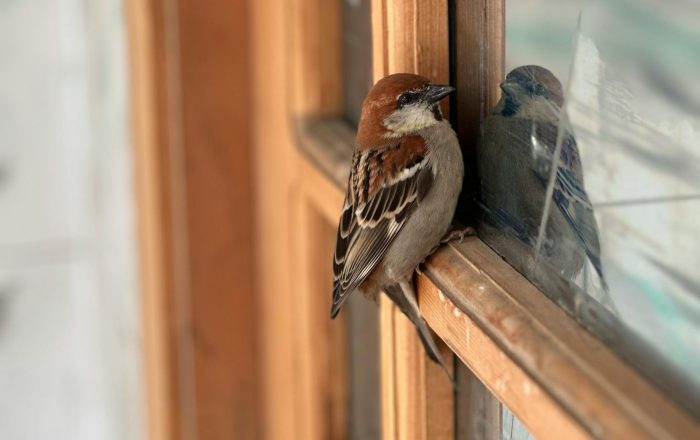
Pigeons and house sparrows colonized cities centuries ago, following grain stores and market scraps. What has changed in recent decades is the sheer variety of species making that same calculation. Red foxes are now found in nearly every large British city. Coyotes have expanded into every major metropolitan area in North America, including Chicago, Los Angeles, and New York. Peregrine falcons nest on skyscrapers, hunting pigeons with the same technique their ancestors used on cliff faces. This expansion is not random. It reflects broad changes in both the natural world and in the cities themselves.
Anúncios
What Cities Offer That Wild Landscapes Cannot Always Provide
Habitat loss is the single biggest reason urban wildlife populations are growing. As farmland, forest, and scrub are converted for development, animals face a stark choice: find new territory or perish. Cities represent the edge of that converted land, and for generalist species, they are surprisingly hospitable. Food is plentiful and predictable: unsecured rubbish bins, compost heaps, pet food left outside, fruit fallen from garden trees, and intentional or accidental handouts from well-meaning residents. Water is available year-round from garden ponds, ornamental fountains, and puddles. Shelter comes in the form of roof voids, crawl spaces under decking, dense ornamental hedgerows, and the warmth that cities generate even in winter.
The urban heat island effect is particularly important for smaller animals. Cities can be several degrees warmer than surrounding countryside in winter, which reduces the energy cost of surviving cold months. For species like foxes that do not hibernate, that thermal advantage can mean the difference between thriving and struggling through to spring.
Anúncios
The Traits That Separate Urban Survivors From the Rest
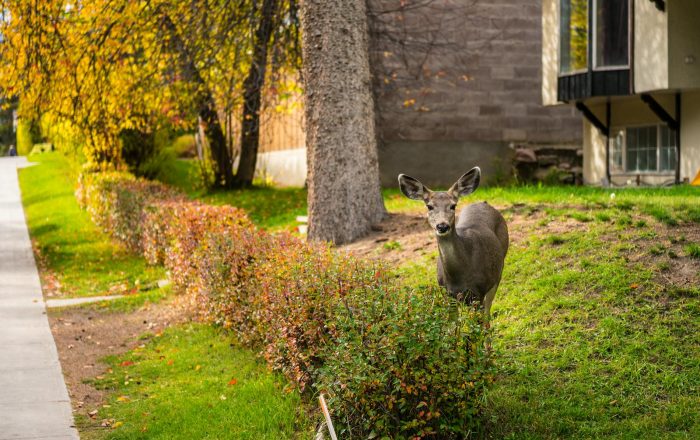
Not every animal can make the adjustment. The species you see thriving in cities share a recognisable set of characteristics. They are dietary generalists, willing to eat almost anything rather than depending on one food source. They tolerate disturbance and noise. They can compress their home ranges to fit smaller patches of suitable habitat. And, critically, they can breed successfully in environments with high levels of human activity. Coyotes, raccoons, crows, Canada geese, white-tailed deer, and opossums all score high on every one of those traits. Specialist species like bobcats, wading birds that need undisturbed wetlands, or forest-interior songbirds that need large unbroken tree cover, generally score low and tend to retreat.
Behavioral flexibility matters as much as diet. Urban coyotes, for example, have shifted their activity patterns to become more nocturnal in dense residential areas, avoiding peak human foot traffic while still exploiting the food the neighborhood provides. This kind of rapid behavioral change is increasingly well-documented and reflects genuine intelligence rather than instinct alone.
How Human Habits Shape the Urban Wildlife Population
Every decision you make about your property influences which animals visit and how frequently. An unsecured bin that overflows each collection day is, from a raccoon’s perspective, a reliable restaurant that opens on a schedule. A garden compost heap stacked with food scraps is an open invitation to foxes and rats alike. Fruit left on the ground beneath trees draws deer. None of this means you have done anything wrong, but it does mean that your daily habits directly affect the local wildlife population. Small adjustments, such as securing bin lids with a bungee cord, keeping compost well-managed, and avoiding leaving pet food outside overnight, quietly reduce the incentive for wild animals to treat your yard as a regular stop.
It helps to read about keeping wildlife out of your trash humanely for a full set of practical measures that work without harming the animals involved.
What Urban Life Costs the Animals
City living comes with genuine hazards for wildlife. Road mortality is high: raccoons, foxes, and deer are all frequent victims of vehicle collisions, particularly at night when traffic is lighter but speeds are higher. Artificial light disrupts the circadian rhythms of nocturnal species and may interfere with migration in birds. Rat poison laid for pest control kills owls and foxes that eat poisoned rodents as secondary poisoning. Glass windows cause enormous bird mortality every year. Pollution affects water quality in urban streams and ponds. The picture is not straightforwardly positive for the animals themselves, even when populations appear to be growing. You can learn more about why animals die on roads and the practical measures that reduce that toll.
Living Alongside Urban Wildlife Without Conflict
The animals in your neighborhood are not invaders. They are filling a niche that human activity has, often unintentionally, created. That reframing matters because it shifts the response from alarm toward considered coexistence. Most urban wildlife encounters require nothing from you beyond staying calm and giving the animal space to move on at its own pace. A fox cutting across your garden at dusk is not a threat; it is an animal navigating its territory efficiently. A coyote trotting down an empty street at dawn is not lost; it is on a route it probably uses every few days.
The situations that do require action are more specific than a simple sighting. An animal that appears sick or injured, one that is aggressive without provocation, or one that has entered your home needs a considered response. For guidance on handling those moments, the article on what to do if you find an injured wild animal gives clear, step-by-step advice. For general safety habits that work across all species, the piece on how to stay safe around wildlife is a useful companion read.
A Genuinely Shared Landscape
The expansion of urban wildlife reflects a world in which the boundaries between human and natural spaces are blurring faster than ever. That need not be a source of anxiety. Cities that support diverse wildlife are generally more liveable cities, with more green space, better-managed waste, and residents who pay more attention to the natural world on their doorstep. The fox on your wall is not a problem to solve. It is a reminder that nature is more persistent, more adaptable, and more present in daily life than most people realise.
Keep your bins secured, leave fallen fruit to compost out of reach of the path, and resist the urge to put food out for that appealing fox face. Those small habits mean the wildlife in your neighborhood stays healthy, wary enough to thrive, and safe to enjoy from a respectful distance for years to come.