Anúncios
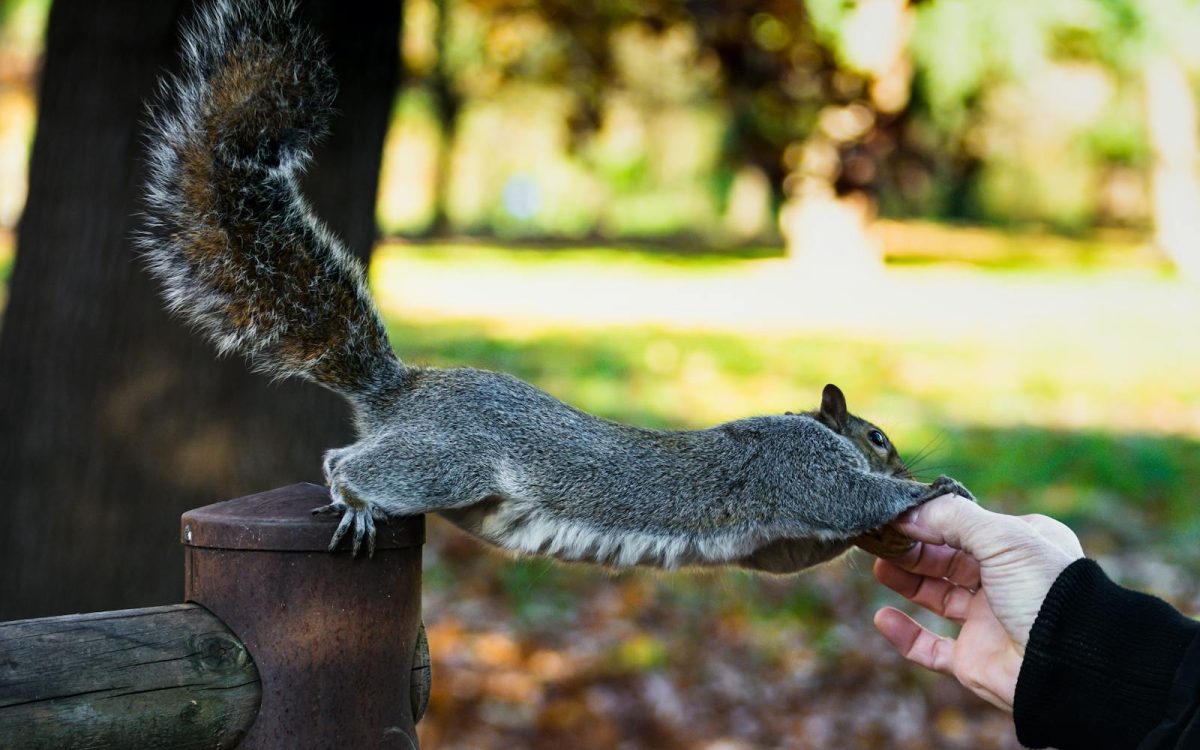
There is something deeply natural about wanting to feed an animal that comes close. A bold squirrel holding out its paws in a city park, a family of ducks at a pond, a deer that lingers at the edge of a suburban yard — these encounters feel like invitations, and the human impulse is to respond with food. That impulse is warm-hearted, but following it usually makes things worse for the animal on the receiving end.
What Feeding Wild Animals Actually Does to Them
Wild animals are finely tuned to find food in their natural environment. Their foraging behavior, seasonal movement, and social structure all revolve around locating and eating the foods their bodies evolved to process. When a reliable human food source enters that picture, the animal’s behavior adjusts — and not in ways that serve it well.
Anúncios
The first change is nutritional. Most foods humans offer wild animals — bread, crackers, chips, leftover table scraps — are nutritionally mismatched for the species receiving them. A mallard’s digestive system is built for aquatic vegetation, invertebrates, and grain. Bread fills it without nourishing it. Over time, ducks raised at high-traffic feeding spots show higher rates of angel wing, a developmental deformity caused by rapid, low-quality growth in young birds, and lower body condition overall.
The second change is behavioral. Animals that receive food reliably from humans stop investing the same effort in natural foraging. They congregate at feeding sites, often in numbers that would not occur naturally. They lose the wariness that keeps them safe around people and infrastructure. And they begin associating human presence with reward, which is the beginning of a trajectory that frequently ends in conflict.
Anúncios
The Dependency Trap
Consider a common scenario: a family begins tossing crusts to a small group of Canada geese at a local pond each afternoon. Within a few weeks, dozens of geese have located this reliable source. They stop migrating as they would naturally. Their droppings concentrate in the area, creating a hygiene problem and promoting algae growth in the water. People who do not want to interact with increasingly bold geese begin to feel uncomfortable at the park. Complaints follow, and management becomes necessary.
The geese in that scenario are not villains — they are animals that responded rationally to a food signal. The problem was created by the feeding, not by the geese.
This pattern repeats with raccoons, bears, coyotes, deer, and almost every other species that enters contact zones with people. Wildlife managers use the phrase “a fed animal is a dead animal” not as hyperbole but as a description of how these situations consistently end. An animal that loses its fear of people, enters residential areas for food, and begins approaching humans or their pets will eventually be trapped, relocated, or killed. The feeding that started the chain of events was an act of goodwill. The outcome is the opposite.
Disease and Density: The Risks You Cannot See
Feeding sites concentrate animals in ways that nature never would. Deer gathered at a supplemental feeding station stand close together, share saliva on hay or apples, and breathe the same air for extended periods. This creates ideal conditions for the spread of chronic wasting disease, a fatal neurological illness that has been advancing across North America for decades. Several state wildlife agencies have specifically linked feeding stations to local disease spread and have banned supplemental deer feeding as a result.
Waterfowl gathering at pond feeding sites face similar risks. Avian cholera and duck virus enteritis move quickly through dense, artificially concentrated flocks. The birds look fine in the short term while the pathogen builds in the population. By the time deaths are visible, the disease has spread widely.
You can read more about how disease and habitat quality connect in the article on habitat loss and wildlife decline, which explains how disrupted natural systems make animals more vulnerable to exactly these kinds of stressors.
Feeding Wild Animals and Predator Attraction
Food left out for one species rarely reaches only that species. Grain scattered for songbirds draws rodents, which draw foxes, hawks, and owls. Deer corn attracts raccoons, bears, and coyotes. Waterfowl feeding sites pull in predators that target the birds themselves. When those predators become comfortable near human homes, the risk of conflict with pets and even small children rises.
Keeping wildlife out of your immediate space is much harder once you have established a food signal. If you are already managing attractant problems around your property, the troubleshooting guide on keeping wildlife out of your trash covers the same principles applied to a different attractant source.
The Backyard Feeder Exception
Supplemental feeding of backyard songbirds occupies a different space in this discussion. Done carefully, it carries relatively low risk. The key conditions are: use appropriate species-specific seed or suet, clean feeders regularly to prevent mold and salmonella buildup, position feeders to minimize window collision risk, and avoid placing them where they draw rodents or larger mammals that cause problems.
Even within this exception, the goal should be to supplement rather than replace natural food sources. A yard planted with native berry-producing shrubs and seed-heads left standing through winter provides food in a form that also supports insect habitat, nesting cover, and foraging behavior. That kind of provision keeps birds wild in a way that a feeder alone cannot.
For more on building habitat rather than creating dependency, the guide on making your yard wildlife-friendly offers practical steps that benefit a broad range of species without the risks attached to direct feeding.
What to Do With the Impulse to Help
The desire to connect with wildlife and support it is genuinely good. It just works better when it is channeled into actions that align with animals’ actual needs rather than with human notions of generosity.
Planting native vegetation is the single highest-value thing most people can do for local wildlife. A flowering shrub or a native grass planting produces food in forms that wild animals are equipped to use, without creating dependency, changing behavior, or concentrating animals artificially. Water is another powerful offering: a clean, shallow dish or a small pond benefits birds, insects, and small mammals through every season, with no nutritional mismatches and no behavioral side effects.
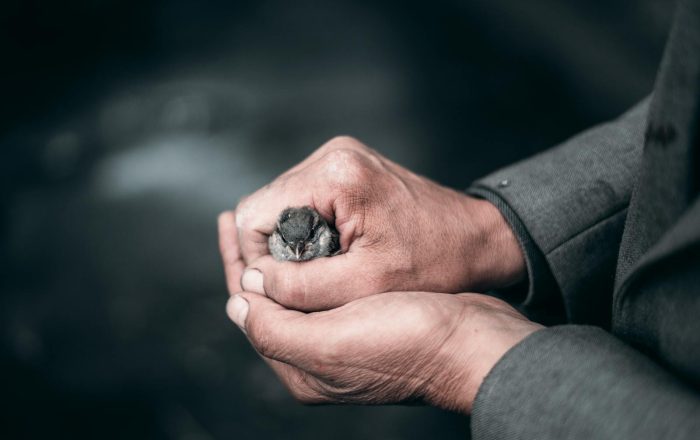
If you encounter an animal that appears genuinely sick or injured, the right response is not to feed it but to contact a licensed wildlife rehabilitator. You can find more guidance on that specific situation in the article covering what to do if you find an injured wild animal.
Reframing Generosity
Real generosity toward wild animals looks like leaving habitat intact, reducing attractants that cause conflicts, and supporting the organizations working to protect wild places. It sometimes looks like doing nothing at all — watching an animal go about its life without intervening, and appreciating the fact that it does not need you. That restraint is harder than tossing a handful of bread, but it is what wild animals actually ask of us.
The next time a squirrel approaches you in a park, consider watching it instead of feeding it. Notice how it moves, how it reads its environment, how it makes decisions. That observation costs nothing, harms nothing, and connects you to a genuinely wild creature far more honestly than a cracker ever could.