Anúncios
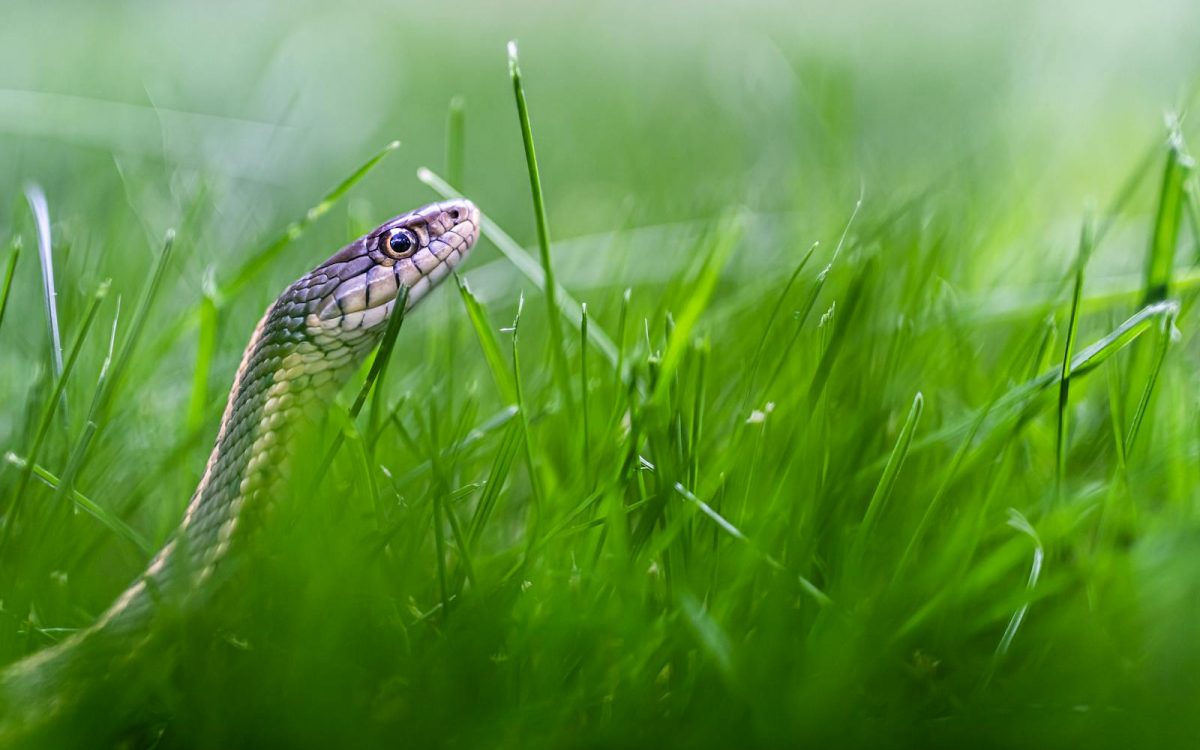
You step outside with your morning coffee, glance toward the garden bed, and there it is: a snake, motionless near the fence. Your first instinct might be alarm, but take a slow breath. That snake almost certainly has no interest in you. It ended up in your yard for one reason and one reason only: the yard offered something worth investigating, usually food, warmth, or a quiet hiding spot. Understanding that simple fact shifts the entire situation from frightening to manageable.
Why a Snake in Your Yard Is Usually Good News
Before anything else, it helps to reframe what you are looking at. Snakes are some of the most effective pest-control animals in any neighborhood. A single rat snake patrolling your garden can dramatically reduce the mice and vole population that would otherwise chew through plant roots and gnaw into storage spaces. Garter snakes consume slugs, grubs, and small frogs that would otherwise multiply unchecked. A snake in your yard is not a sign of a problem; it is often a sign of a healthy, functioning yard ecosystem.
Anúncios
Most of the species you are likely to see are entirely non-venomous. In North America, familiar visitors include garter snakes (slender, striped, quick-moving), black rat snakes (large, glossy black, excellent climbers), and ringneck snakes (small, dark on top with a bright orange belly ring). None of these animals want a confrontation. They are far more frightened of you than you are of them.
Your First Steps When You Spot One
The most important first action is to stop moving toward it. Give the snake a clear, open path to retreat. Most snakes will disappear within minutes once they sense vibrations from footsteps or feel the air pressure of a person nearby. Keep children and pets away from the area for at least fifteen to twenty minutes.
Anúncios
Resist any urge to prod, corner, or pick up the snake, regardless of how certain you feel that it is harmless. The majority of snake bites in North America happen when someone tries to handle or move a snake they believed was safe. A snake that feels trapped will act defensively, and even a non-venomous bite can cause significant pain and requires medical attention to prevent infection.
If the snake is in an area where it genuinely must be moved, such as a garage doorway where people frequently pass, the safest approach is to use a long-handled broom to gently encourage it toward a hedgerow or open ground. Never pick it up barehanded. A trash can laid on its side near the snake sometimes works well, since the snake will often slide inside on its own seeking shelter, and you can then tip the can upright and relocate it to a nearby greenspace.
How to Identify What You Are Looking At
You do not need to become an expert herpetologist, but a basic sense of local venomous species in your region is genuinely useful. In the eastern United States, that typically means being able to recognize a copperhead (hourglass-shaped reddish-brown bands on a tan body) and a timber rattlesnake (thick body, blunt rattle, chevron patterns). In the Southwest, rattlesnake species are more varied. Coastal areas may have cottonmouths near water.
As a practical field guide, take note of the head shape if you can do so safely from a few feet away. Venomous pit vipers in North America tend to have triangular, arrow-shaped heads and noticeably thick bodies relative to their length. Non-venomous snakes are generally slender with a more tapered, oval head. That said, some harmless species such as hognose snakes flatten and widen their heads when threatened, mimicking the appearance of a viper. From a safe distance, if you have any doubt at all, treat the snake as potentially venomous and keep back.
A free resource worth bookmarking is your state or provincial wildlife agency website, which often has photo guides to local species and a hotline number to call. Apps such as iNaturalist allow you to upload a photograph for community identification without getting any closer to the snake.
When to Call a Professional
Call a wildlife professional, animal control officer, or a licensed reptile relocator if any of these situations apply: you believe the snake may be venomous, the snake has entered your home, it is coiled near a high-traffic area where young children play and shows no sign of leaving, or a pet has been bitten. You can find licensed wildlife relocators through your state wildlife agency, local herpetological society, or by searching for wildlife removal services in your area.
A good professional will not kill the snake. They will remove it and release it at a suitable natural site away from residential areas. If a company immediately offers to exterminate rather than relocate, find another provider. Snake removal is a safe, routine task for trained hands, and the snake deserves to continue doing its ecological job somewhere quiet.
What Brings Snakes Close to Homes
Understanding what draws snakes near buildings helps you reduce repeat visits if you would prefer fewer encounters. Tall grass and overgrown ground cover offer excellent cover while a snake hunts. Stacked wood, loose stone piles, and cluttered compost bins create the warm, dark hiding spots snakes seek between feeding trips. Bird feeders and pet food left outdoors attract mice and rats, which in turn attract the snakes that prey on them.
A few practical adjustments can make your yard less inviting: keep grass mowed to a reasonable height, store firewood on a raised platform away from the house, seal any gaps at the base of sheds or garage doors wider than a quarter inch, and bring pet food indoors at night. These same steps tend to reduce the overall rodent pressure around a property as well, giving you multiple benefits at once. For more on making your outdoor space less attractive to unwanted visits, the guide on keeping wildlife out of your trash covers complementary strategies.
A Note on Safety for the Whole Household
If you live in an area with known venomous species, a few habits are worth building into your routine. Wear closed-toe shoes and thick gardening gloves when working in beds, compost piles, or wood stacks. Shake out shoes and boots left near exterior doors. Use a flashlight when walking barefoot at night, particularly on warm evenings when snakes are most active.
Children should know the simple rule: look before you reach. Never put a hand under a log, flat rock, or pile of leaves without checking first. Framing this as a general outdoor awareness skill rather than a snake-specific rule helps it stick without creating unnecessary fear. Most children, once they understand that snakes are useful animals doing a job, become genuinely curious rather than frightened. You can find further guidance on building this kind of nature awareness in the article on staying safe around wildlife.
What the Snake Is Doing While You Watch
Snakes are ectothermic, meaning they rely on external heat to regulate body temperature. The snake near your garden bed in the morning is most likely basking, using the warmth of sun-heated ground or stone to bring its body to an efficient operating temperature before hunting. A snake that appears sluggish is not sick or injured; it is simply cold and warming up. Give it time and space, and it will move on once it has what it came for.
Snakes also explore territory much more broadly than most people realize. A garter snake living in your general neighborhood may pass through multiple yards each week, following scent trails of prey. The same individual that visits your yard today may not return for weeks. Seeing a snake once does not mean you have an ongoing resident problem.
Snakes occupy a role in the natural world that quietly benefits every garden and yard they pass through. The next time one appears near the fence or along the path, the most effective thing you can do is give it a few feet of respectful space, keep pets and children back, and watch what happens. In most cases, the encounter ends with the snake gliding calmly into the undergrowth, and your yard a little better off for the visit.