Anúncios
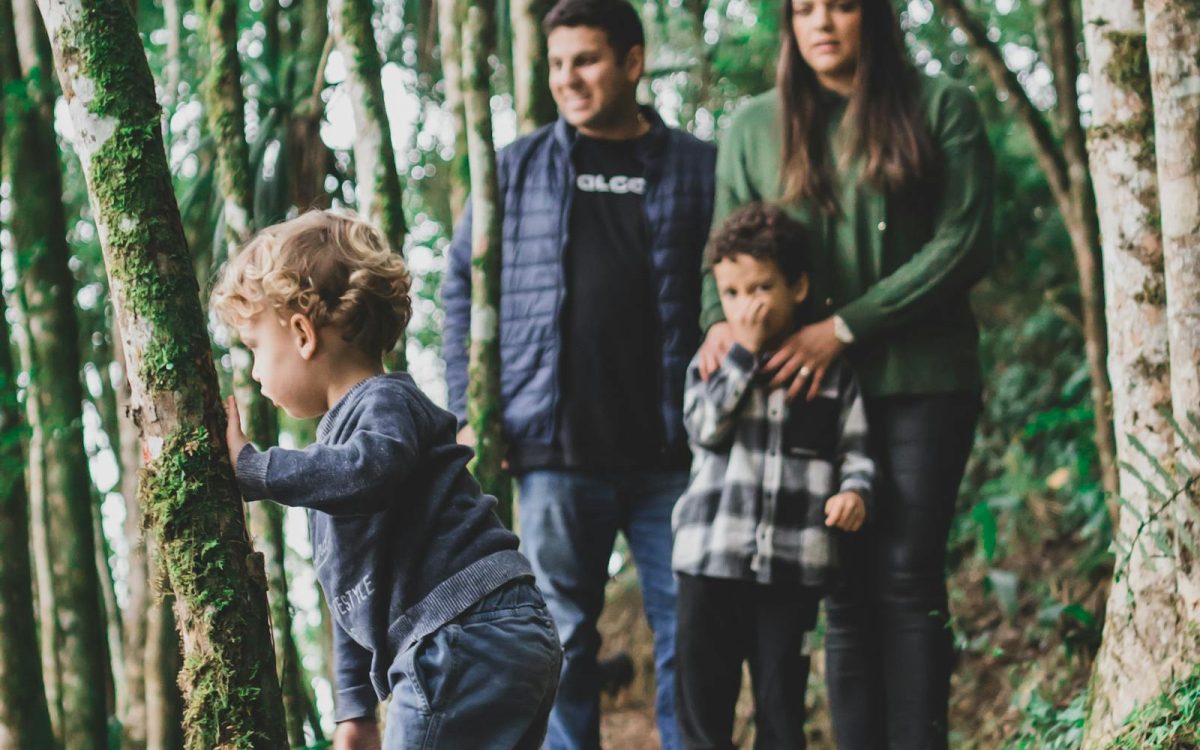
The afternoon my daughter discovered that a single rotting log could hold centipedes, woodlice, beetle larvae, a small spider, and what turned out to be a slow worm, she did not want to go home. We had been trying to fit in a twenty-minute walk before dinner. We stayed for two hours, got thoroughly muddy, and talked about decomposers at the dinner table. That log did more for her nature education than any book we had bought her.
Below are fifteen family nature activities that work across a range of ages, require little or no equipment, and tend to produce exactly that kind of absorbed, willing engagement that makes outdoor time genuinely memorable.
Anúncios
Activities That Use Close Observation
1. The square meter survey. Mark out a roughly one-meter square of grass, soil, or leaf litter with four sticks and some string. Spend fifteen minutes cataloging everything inside it: plants, insects, worms, fungi, tracks, or anything else you can find. Use a hand lens if you have one. This activity scales beautifully from toddlers, who simply collect and examine, to older children who can try to identify and sketch what they find.
2. The bark hotel check. Lift pieces of loose bark on fallen logs and look underneath. Replace everything exactly as you found it. The community of creatures living in and under bark is remarkably stable and visible, and the sense of discovery when you first lift a piece and find a dozen small animals is something children remember. Explain that you are visitors and the log is their home.
Anúncios
3. Cloud watching with a purpose. Lie on your backs and look up for ten minutes. Rather than hunting for shapes, take turns describing what the clouds actually look like at their edges, where the color changes, how fast they are moving relative to each other. This builds observational vocabulary in a relaxed, physically comfortable way that suits all ages.
Activities That Involve Collection and Making
4. Nature color matching. Pick up a paint-chip card from a hardware store or simply draw a rough color spectrum on paper. Head outside and find natural materials that match as many colors as possible. The activity reveals how many shades of brown, green, and grey exist in a single small area and works equally well in forests, parks, and gardens.
5. Leaf or bark rubbings. Place a leaf or a section of textured bark under a piece of thin paper and rub a wax crayon or soft pencil across the surface. The resulting impression captures detail that direct observation can miss. Collections of rubbings become a tactile record of the places you have visited together.
6. Build a miniature habitat. Using natural materials only, build the best home you can imagine for a small imaginary creature. Set a size limit (fits inside a shoebox, say) and a time limit (twenty minutes). Then discuss what you included and why: shelter, food sources, water, hiding spots. This activity teaches habitat requirements through creative problem-solving.
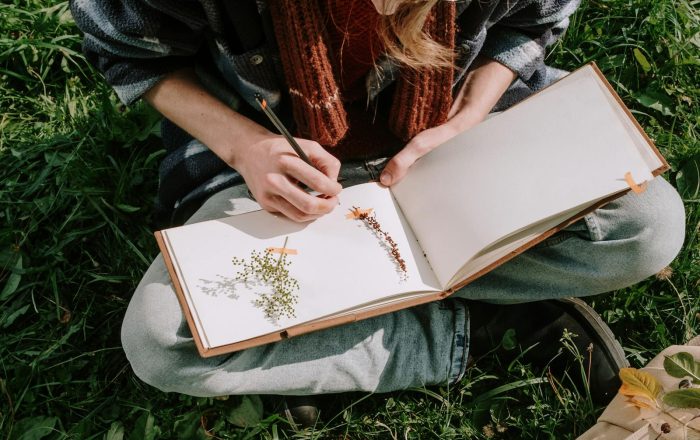
7. Nature pressing. Collected flat plant material (leaves, ferns, flowers, grasses) pressed between sheets of paper inside a heavy book creates a beautiful archive. After two to three weeks under weight, pressed plants become stable and can be arranged in a scrapbook or on cards. Pairing each pressed item with a note about where and when it was collected makes the collection much more interesting to return to later.
For families ready to build a more permanent collection habit, a guide to responsible nature collecting explains which materials you can ethically take home and which are better left in place.
Activities That Develop Nature Literacy
8. Tracking sessions after rain. Soft mud after rainfall holds animal prints with remarkable clarity. Visit a muddy path, stream edge, or garden bed and look for tracks. Even common garden animals like foxes, squirrels, cats, and pigeons leave distinct prints that children can measure, sketch, and compare.
9. Sit spot listening. Choose a spot and sit very still for five full minutes. Before you sit, help children understand that animals will return to their normal behavior after three or four minutes if you stay quiet. Keeping a count of every species heard during the five minutes turns patience into a game. Compare results between family members who sat in different spots nearby.
10. The scent trail. Close your eyes and notice every smell you can identify in sixty seconds. Then move to a different microhabitat, a shadier spot, near water, in long grass, and repeat. Comparing scent environments across a small area develops a sense of place that purely visual observation misses.
11. Animal home hunting. How many different types of animal home can you find in one hour? Bird nests (check after nesting season only), rabbit warrens, molehills, ant runs, spider webs, squirrel dreys, wood-mouse burrows: the variety in a small area surprises most families. Photograph rather than disturb each home you find. Linking this to a conversation about why animals choose particular habitats makes the activity educational without feeling like school.
Activities for Longer Days or Family Outings
12. The phenology walk. Phenology is simply the observation of seasonal timing: when the first blossom opens, when the first butterfly appears, when the leaves first start to turn. Choose five things to look for on a seasonal walk and note whether each has happened yet, is just starting, or is at its peak. Done across the year at the same location, this builds a real understanding of how the seasons actually work in your specific place.
13. Moth night. On a warm, still night between late spring and early autumn, hang a white sheet against a fence or wall and shine a bright torch or UV lamp at it. Wait twenty minutes. Moths, beetles, lacewings, and dozens of other insects will arrive. Identification is entirely optional; the extraordinary variety that turns up is the point. Children who experience this reliably become interested in insects in a way that daytime activities rarely achieve.
14. Bird feeder log. Set up a simple feeder, even a temporary one, and spend thirty minutes watching which species visit and in what order. Note behavior as well as species: who displaces whom, which birds prefer which food, which approach cautiously and which land boldly. This activity works year-round and rewards regular return visits. For practical setup guidance, feeding birds responsibly covers the important do’s and don’ts.
15. Night sky count. On a clear night, lie on a blanket and count how many stars you can see within a specific small area of sky. Compare urban and rural counts if you have the opportunity. Satellites crossing the sky are visible most clear nights and fascinate children. Simple constellation finding, starting with the Plough or Southern Cross depending on your hemisphere, is within reach for any family with ten minutes and a basic star chart.
Keeping the Momentum Going
The most important factor in any of these activities is your own genuine curiosity as an adult. Children are extraordinarily good at detecting whether an adult actually finds something interesting or is performing interest for their benefit. You do not need expertise. You need to be willing to say “I have no idea, let us try to find out” and mean it.
A shared nature journal or scrapbook where the whole family records finds and memories creates a tangible record that children return to with pride. The activities that feel like play, and most of these do, are the ones that build the deepest and most lasting connections to the natural world. That connection, built young, tends to stay.