Anúncios
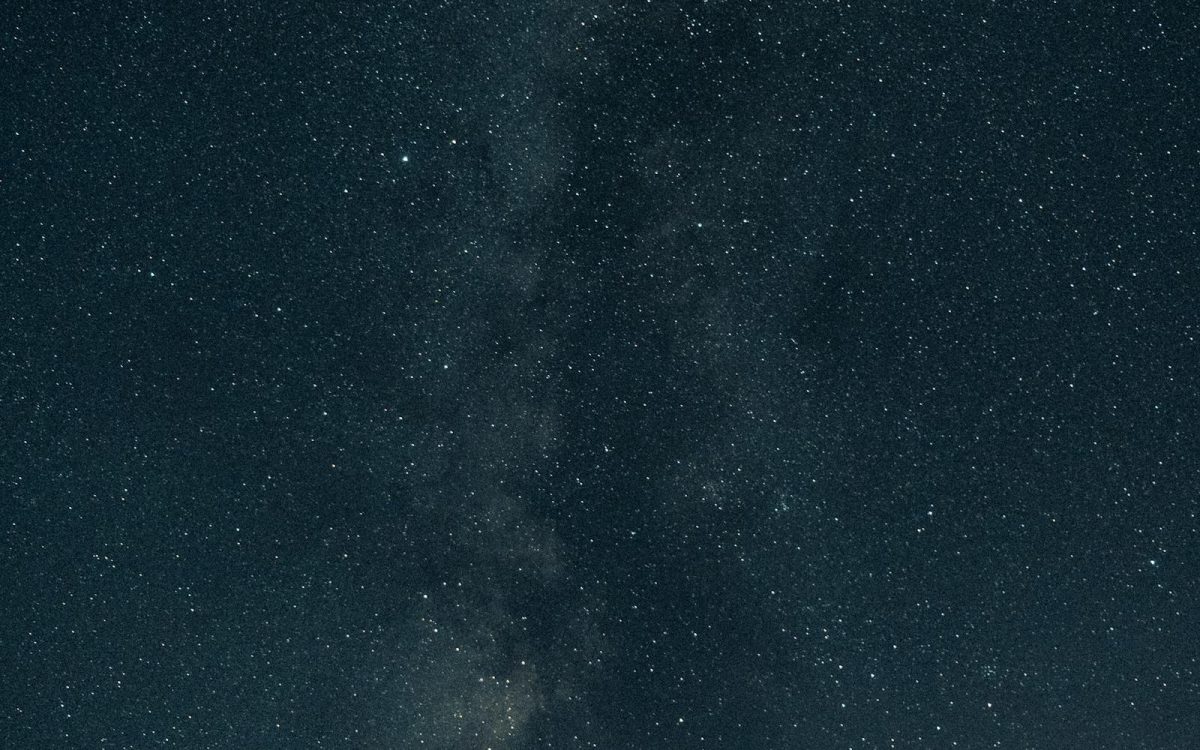
My first real memory of the night sky happened on a camping trip when I was nine. The adults had gone quiet, someone pointed straight up, and there it was: a river of pale light stretching from one horizon to the other. I had no idea the Milky Way was visible from Earth with nothing but your own eyes. That single moment sent me outside on clear nights for the rest of my life. Backyard stargazing does not require expensive gear, specialist knowledge, or even a proper dark sky. It asks only that you step outside and look up.
Why Backyard Stargazing Is One of Nature’s Best Free Gifts
There is something quietly radical about standing in your own garden and looking at light that left a star 400 years ago. The night sky is one of the last truly wild spectacles most of us can reach without leaving home. Satellites arc silently overhead. Planets hang steady and bright while surrounding stars flicker. On the right night, a meteor will burn a quick scratch across the dark and disappear. None of this costs anything. None of it requires a membership or a permit.
Anúncios
Research into attention and wellbeing consistently finds that spending time under open sky, especially in low-light conditions, helps slow the racing quality of modern thinking. There is also the simple pleasure of scale: the sky reminds you, gently, that the world is enormous and astonishing.
Getting Your Eyes Ready: The One Step Most Beginners Skip
Before you look for a single star, give your eyes time to adapt. Step outside, sit or stand comfortably, and stay away from any bright lights for at least 15 to 20 minutes. Your pupils need time to widen, and your retina shifts from its daytime cones to the more light-sensitive rods that do the real work in darkness. Skipping this step is like trying to taste wine while eating a mouthful of crackers. You can manage, but you miss most of the experience.
Anúncios
Put your phone face-down or switch it to night mode. If you need a light to navigate, a cheap red-light torch preserves dark adaptation far better than a white beam. Once your eyes have settled, the sky you see will be genuinely richer than the one you walked out to.
Your First Night: Start With What Is Already Obvious
Resist the temptation to jump straight to a star chart. On your first two or three outings, simply look at what stands out. The moon is almost always the most dramatic object, and even binoculars reveal the sharp-edged craters and grey highlands in detail that surprises most new observers. Try looking at the moon when it is at the half-phase rather than full; the shadows at the terminator line make the surface look three-dimensional.
After the moon, search for objects that do not twinkle. Stars twinkle because their light passes through miles of turbulent atmosphere; planets are close enough that they present a tiny disc to your eye, so their light smooths out. On almost any clear evening, at least one planet is visible. Venus is unmistakable in twilight, blazing white and steady. Jupiter shines creamy and bright. Saturn has a faint golden tinge. Mars, when it is well-placed, glows with a distinct warm orange hue.
Learning the Sky One Pattern at a Time
Constellations seem overwhelming until you realise that you only need a handful of anchor patterns to navigate the whole sky. In the northern hemisphere, the Big Dipper is a reliable starting point: the two stars at the outer edge of its bowl point directly to Polaris, the North Star, which sits almost exactly due north at a height roughly equal to your latitude. Find Polaris once and you will never again feel lost under the night sky.
From the Big Dipper, you can trace your way to the bright star Arcturus by following the arc of its handle. A free stargazing app used for just a few minutes before you go out will show you which constellations are well-placed for your location and season. Use the app inside, then put it away when you step out so the screen does not ruin your dark adaptation. You might find the mindful time in nature principles apply beautifully here: less device, more presence.
Seasonal Highlights to Look Forward To
One of the quiet joys of regular backyard stargazing is that the sky changes month by month. Winter brings Orion, one of the most dramatic and recognisable constellations, with the reddish giant Betelgeuse at his shoulder and the pale blue Rigel at his foot. Spring evenings reveal Leo the lion climbing overhead. Summer opens up the Milky Way’s densest regions, and on warm August nights the Perseid meteor shower delivers a steady stream of shooting stars.
Autumn nights often carry exceptional clarity as dry, cool air arrives. Look southeast in autumn for the Great Square of Pegasus, a large, surprisingly empty-looking four-star pattern that helps you locate the Andromeda Galaxy, the farthest object visible to the naked eye at 2.5 million light-years away. It looks like a faint, slightly fuzzy oval smudge, but knowing what that smudge actually is makes the hairs stand up. Stargazing pairs wonderfully with nature journaling; keeping a simple log of what you see and when builds a personal record that deepens your connection to the sky over seasons and years.
Simple Gear That Actually Helps
A folding camp chair or a reclining lounger makes a tremendous difference. Craning your neck to look straight up grows uncomfortable in minutes; lying back or reclining lets you stay out for an hour without stiffness. Warm layers matter more than most beginners expect; a clear sky means no cloud cover, and no cloud cover means heat escapes quickly. Even summer nights can turn chilly after midnight.
A pair of 7×50 or 10×50 binoculars is the single best equipment upgrade you can make. They reveal the four main moons of Jupiter as tiny points of light alongside the planet, show star clusters as jewelled sprays rather than smudges, and track the cratered surface of the moon with stunning detail. A decent pair costs far less than any entry-level telescope and is far more portable. If you eventually want a telescope, the best advice is to spend six months learning the naked-eye sky first, so you actually know where to point it.
Making It a Habit
The observers who get the most from the night sky are not the ones with the biggest telescopes; they are the ones who go outside regularly. Even a five-minute check on a Tuesday evening, just to see where Jupiter sits or whether the Pleiades cluster has risen yet, builds a fluency with the sky that no single long session can replicate. Think of it like slow birding: the reward grows with patience and repetition, not intensity.
Tell a child, a friend, or a partner what you have been noticing. Sharing a small discovery, such as spotting a satellite crossing directly through Orion, or watching the moon sit just above a bright planet, makes the habit stick. The sky is always there. You only have to remember to look.
Pick any clear night this week, put a chair in the yard or on the balcony, and give yourself 20 unhurried minutes outside. Start with the moon or the brightest point you can find. Let your eyes settle, let the quiet do its work, and see what greets you. The sky you discover on that first attentive night will be enough to bring you back the night after.