Anúncios
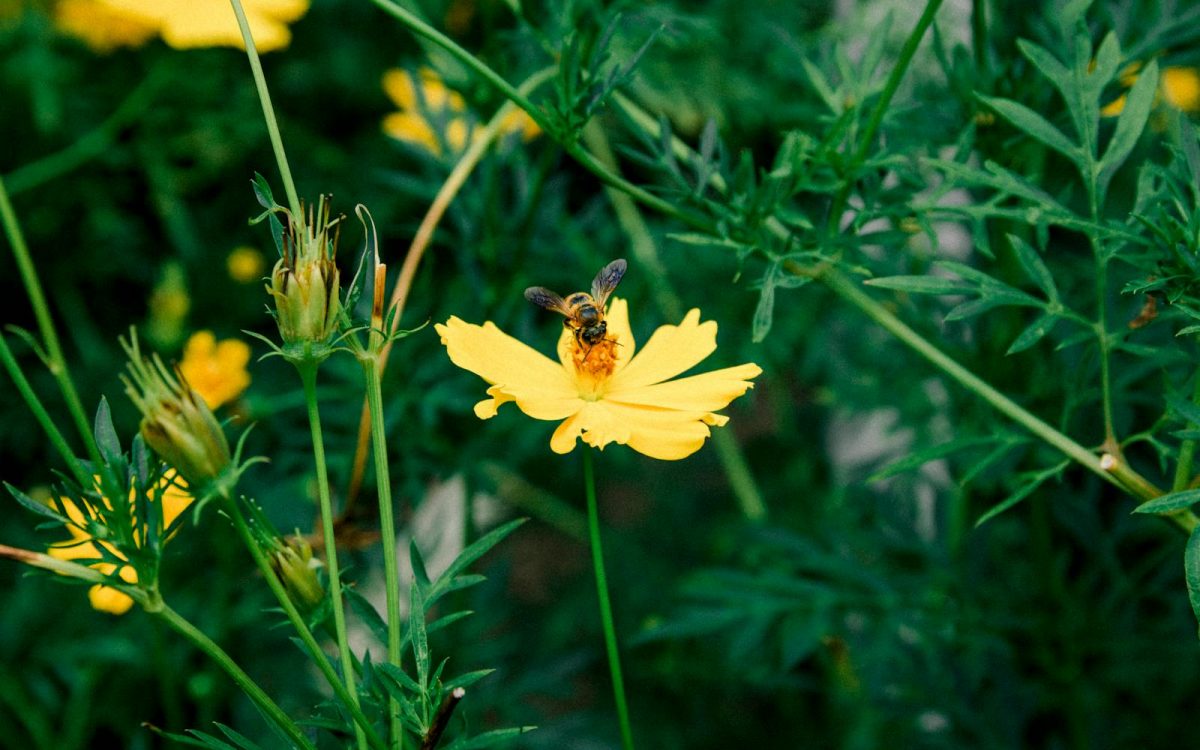
Step outside on a warm afternoon and watch a clump of lavender for sixty seconds. Chances are, at least one bee is already working it. That small, ordinary moment is actually the result of millions of years of co-evolution between flowering plants and the insects that pollinate them, and it is more fragile now than it looks. Bee populations have declined sharply across North America and Europe over the past few decades due to habitat loss, pesticide exposure, disease, and the disappearance of the varied, messy landscapes they rely on. The good news is that backyards, taken together, represent an enormous patchwork of potential habitat. Your yard is part of that picture.
Understand What Bees Actually Need
Before making any changes, it helps to know what bees are searching for. Every bee, regardless of species, needs three things: food in the form of pollen and nectar, safe nesting sites, and water. A yard that provides all three will draw more bee diversity and keep the bees that find it healthier. Most people focus only on flowers, which is a fine start, but the nesting and water pieces are often what is missing in otherwise flower-rich gardens.
Anúncios
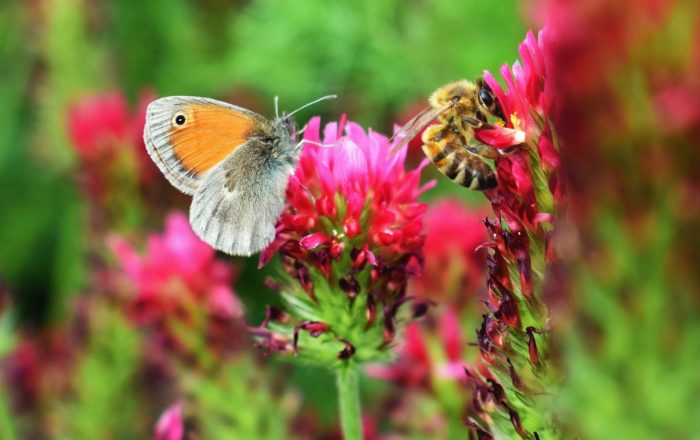
It is also worth knowing that there are over 20,000 bee species worldwide, and honeybees are just one of them. Bumblebees, mason bees, leafcutter bees, sweat bees, and mining bees all visit backyards regularly, and each has slightly different preferences. Designing for a range of species rather than one is both easier and more ecologically valuable.
Plant for Continuous Bloom From Spring to Autumn
A garden that offers flowers for only a few weeks in midsummer leaves bees with gaps in their food supply. The goal is staggered blooming so something is always open from the first warm days of spring through the last days of October. Early-blooming plants like crocus, lungwort, and willow catkins matter enormously because queen bumblebees emerge from hibernation hungry and vulnerable. Late-season bloomers like asters, goldenrod, and sedum carry bees through the run-up to winter.
Anúncios
Prioritize native plants wherever possible. Native plants support local bee species in ways that highly bred ornamental varieties cannot, partly because some cultivars have flowers so modified that they produce little pollen or nectar. Single-petalled flowers are almost always more bee-accessible than double-petalled ones. When shopping at a nursery, look for straight species or open-pollinated varieties rather than branded cultivars with names like ‘Double Delight’ or ‘Nonstop.’
If your yard is small, think in layers. A window box of phacelia, a pot of lavender by the door, and a hedge of native shrubs like buttonbush or hawthorn add up faster than you would expect. Even a strip of lawn converted to a clover and wildflower mix provides a substantial foraging resource.
Provide Nesting Sites for Solitary Bees
Roughly 70 percent of bee species nest in the ground. They need patches of bare or sparsely vegetated soil, ideally south-facing and well-drained. A common mistake is to mulch every bed so heavily that ground-nesting bees cannot get in. Leave some areas of exposed soil, even a small corner, and you may notice tiny entry holes appearing in warm weather.
For cavity-nesting species like mason bees and leafcutter bees, a simple bee hotel works well. Drill holes of varying diameters between 3 and 10 millimetres into an untreated block of hardwood, or bundle together sections of hollow bamboo cane. Mount the structure in a sunny, sheltered spot at least a metre off the ground, with the openings facing south or south-east. You can buy pre-made bug hotels as well, though quality varies. Building your own bug hotel allows you to match the hole sizes precisely to the species in your region.
Hollow plant stems left standing over winter also serve as nesting sites. Resist the urge to cut everything back in autumn. Many gardeners now leave their perennial stems until mid-spring, which benefits not just bees but a wide range of overwintering insects.
Help Bees in Your Yard by Reducing Pesticide Use
This is the single highest-impact change most gardeners can make. Systemic insecticides, particularly neonicotinoids, are absorbed by plants and end up in pollen and nectar for weeks or months after application. A bee visiting a treated plant carries those compounds back to its nest, where they can impair navigation, reduce fertility, and weaken the immune system. Products sold for soil drenching, lawn care, and even some seed coatings can contain these compounds.
Read labels before buying anything that claims to kill insects. If you are dealing with a specific pest, look first for physical solutions: row covers, sticky traps, hand-picking, or encouraging natural predators like parasitic wasps. If you do need to spray, choose a product with a short environmental half-life, apply it in the evening when bees are not flying, and never spray any plant that is currently in flower.
A concrete scenario: if you notice aphids on your rose bushes in June, try a strong blast of water from a hose first. Give it several days. Ladybirds and lacewings, if present, will often move in and handle the problem without any intervention. Spraying at the first sign of aphids not only harms bees but kills those beneficial insects too, leaving you more vulnerable to future outbreaks.
Set Up a Safe Water Source
Bees need water for drinking and, in the case of honeybees, for cooling their colony on hot days. Standard birdbaths are often too deep, and bees that attempt to drink from them can drown. The fix is simple: place flat stones or corks in the water so bees have landing platforms. A plant saucer filled with a layer of gravel and topped with water is one of the most effective options.
Refresh the water every two or three days to keep it clean and prevent mosquito breeding. Position your water source in a sunny but sheltered spot near your flowers. Once bees find a reliable water source, they return to it consistently and are less likely to congregate around swimming pools or outdoor taps.
Think About the Wider Yard, Not Just the Flower Beds
Lawns represent a missed opportunity in most yards. A standard closely cut, monoculture lawn offers nothing to bees. Letting it grow a little longer and tolerating clover, self-heal, and dandelions turns it into a foraging strip. Dandelions are one of the most important early-season food sources for bees that have overwintered or just emerged, so think twice before removing them every spring.
Hedges of native shrubs, a compost heap with a sunny exposed side, a patch of nettles in a back corner, and a pile of old logs all contribute to a yard that bees and other wildlife can actually use. The shift from a manicured, weed-free garden to a more relaxed, layered one does not happen overnight, but each small decision accumulates. Making your yard wildlife-friendly in this broader sense benefits far more species than bees alone, and the changes tend to make a garden more interesting to spend time in as well.
Getting Started This Weekend
You do not need to overhaul your whole garden at once. Pick one change from this list and do it this weekend. Plant a pot of native flowers near a sunny window. Fill a plant saucer with gravel and water. Stop deadheading your lavender and let bees work the spent blooms a little longer. Drill a few holes in a piece of scrap hardwood and tuck it under the eaves. Each action is small on its own, but bees navigate a landscape built from exactly these small decisions, made across hundreds of yards and gardens in your neighborhood.
Paying attention is a form of help too. Once you start watching for bees, you notice which plants they prefer, what time of day they are most active, and which corners of your yard they avoid. That knowledge guides every choice after it.