Anúncios
Last summer, a patch of wild bergamot in a client’s front yard stopped a neighbour mid-walk. Three bumblebee species were working the flowers at once, and the visitor, who had never planted anything deliberately for wildlife, stood watching for several minutes before asking what the plants were. That small, two-metre strip of native perennials had done more for the local bee population than a tidy lawn ever could.
Why a Pollinator Garden Matters More Than You Might Expect
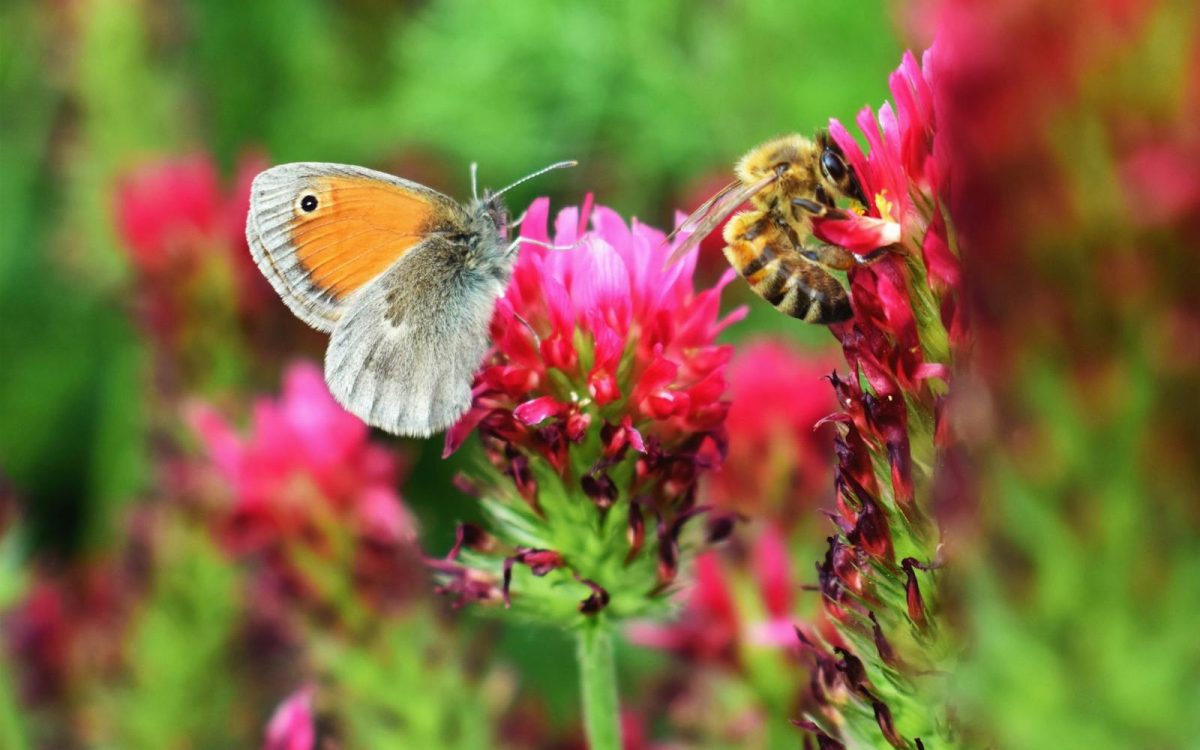
Pollinators, including bees, butterflies, hoverflies, moths, and beetles, are responsible for fertilizing roughly one in three bites of food humans eat. Their populations have declined significantly across North America and Europe, largely because the flowers they depend on have been replaced by mown lawns, pavement, and intensively farmed monocultures. A home garden planted thoughtfully can serve as a genuine refuge.
Anúncios
The good news is that pollinators are not picky about address. Research from the UK and the United States consistently shows that urban and suburban gardens, taken together, provide more diverse foraging habitat than much of the surrounding countryside. Your quarter-acre plot, or even your apartment balcony, is a meaningful piece of a much larger mosaic.
Choosing the Right Plants for Your Pollinator Garden
Native plants are the foundation of any good pollinator space. Native bees, in particular, evolved alongside native flowers over thousands of years, and their body sizes, tongue lengths, and activity periods often match specific plants precisely. A long-tongued bumblebee can reach nectar inside a penstemon that a short-tongued sweat bee cannot. Planting a range of flower shapes, tubes, open cups, and clusters, serves a wider variety of visitors.
Anúncios
In North America, reliable native choices include purple coneflower (Echinacea purpurea), wild bergamot (Monarda fistulosa), native asters, goldenrod (Solidago species), and black-eyed Susan (Rudbeckia hirta). In the UK and much of Western Europe, knapweed (Centaurea nigra), foxglove, borage, marjoram, and native teasel are among the most visited plants recorded in pollinator surveys.
Avoid double-flowered cultivars bred for extra petals. Plants like double dahlias and fully double roses have their pollen and nectar buried under layers of petals or bred out entirely. Single-flowered versions of the same plants are far more useful. When in doubt, if a flower looks like a pompom, leave it on the nursery shelf.
Planning for a Season-Long Bloom
A garden that blooms for two weeks in June and then goes quiet does not sustain a pollinator population. Aim to have something in flower from early spring through late autumn by choosing plants with staggered bloom times.
Early spring, roughly March through April, is the most critical period because queen bumblebees are emerging from hibernation and desperately need food. Crocus, grape hyacinth (Muscari), lungwort (Pulmonaria), and catmint are among the earliest nectar sources. Midseason, from May through August, is covered by most of the popular pollinator plants: bee balm, lavender, coneflower, and cosmos. For autumn, plant native asters, sedum, and goldenrod, all of which bloom well into October and provide essential late-season fuel before butterflies migrate and bees go dormant.
This three-layer approach does not require a large space. A container garden on a balcony can hold one pot of crocus bulbs for spring, one of lavender for summer, and one of autumn sedum, a simple sequence that feeds pollinators across the whole active season.
Designing the Space, Whatever Its Size
Dense planting beats scattered planting every time. A bumblebee navigating a garden expends energy moving between flowers; a cluster of the same plant in a half-metre block allows it to work efficiently. Aim for groups of at least five of each species rather than a single plant here and one there. This also means your garden looks intentional rather than haphazard.
Leave some bare soil in a sunny, sheltered corner. Roughly seventy percent of native bee species in North America and the UK nest in the ground rather than in hives. They need loose, undisturbed soil, ideally with some south-facing exposure for warmth. A small corner of bare earth next to a paving stone or at the base of a wall is enough. You can also add a simple bug hotel for cavity-nesting solitary bees like mason bees and leafcutter bees.
Water matters too. A shallow dish with a few pebbles for landing keeps pollinators hydrated during hot spells. Change the water every two or three days to prevent mosquito breeding.
Soil, Feeding, and Minimal Fuss
Most native wildflowers prefer lean, well-drained soil over rich, heavily fertilized beds. Counterintuitively, adding too much compost or fertilizer to a pollinator garden produces lush foliage at the expense of flowers, and the extra nitrogen can favor aggressive grasses that crowd out wildflowers. Prepare the ground once with a light dig and a thin layer of coarse grit if your soil is heavy clay, then largely leave it alone.
One practical scenario: if you are converting a strip of lawn, skim off the turf with a flat spade, loosen the top ten centimetres of soil, and sow a native wildflower seed mix suited to your region. Water it in and resist the urge to weed immediately; many wildflowers are indistinguishable from common weeds as seedlings, and overzealous weeding can undo weeks of progress. A little patience in the first year rewards you for many seasons ahead.
What Not to Do
Cutting back all plant stems in autumn is a mistake many gardeners make for tidiness. Hollow stems from plants like teasel, Joe-pye weed, and native grasses are nesting sites for small solitary bees and overwintering habitats for beneficial insects. Leave them standing through winter and cut them back no earlier than late March, when daytime temperatures have risen consistently above ten degrees Celsius.
Avoid planting invasive species even if they attract pollinators. Butterfly bush (Buddleia davidii), for example, is heavily visited by butterflies but provides no caterpillar host plant value, spreads aggressively in many regions, and can displace native plants that serve a far broader range of insects. Check your regional invasive species list before planting anything new.
For more on why the variety of insect life in your garden matters beyond what you can easily see, this overview of biodiversity puts it in a broader context.
Growing Into It Over Time
A first-year pollinator garden is often quieter than you expect. It takes time for local bees and butterflies to locate new resources and for plants to establish the root systems they need to flower abundantly. By the second or third year, a well-chosen collection of native plants in good growing conditions will reliably draw in species you may never have noticed in your area before.
Keep a simple record of what you see visiting each plant. A note like this one, four bumblebee species on the monarda, two butterfly species on the asters, gives you genuine data about what is working. Over a few seasons, this record becomes a guide to what to plant more of, and it is genuinely satisfying to watch a garden improve in ecological terms year on year. Understanding why pollinators are under pressure can deepen your motivation to keep going, even in a slow first year.
Start small, start native, and start now. A single thriving clump of coneflower or aster is a real contribution to the insects around you, and it tends to pull you deeper into the whole project than you ever expected when you first dug that initial hole.