Anúncios
A neighbor once asked why her feeder sat empty every evening, even though she refilled it daily. The feeder was a large platform style holding mixed seed, positioned in the middle of a lawn with no nearby cover. The birds were landing, grabbing a seed, and leaving quickly because they felt exposed. Moving the feeder six feet closer to a shrub border and switching to a tube feeder with sunflower seeds changed everything within a week. The right types of bird feeders, placed thoughtfully, outperform expensive equipment every time.
Tube Feeders: The Reliable Workhorse
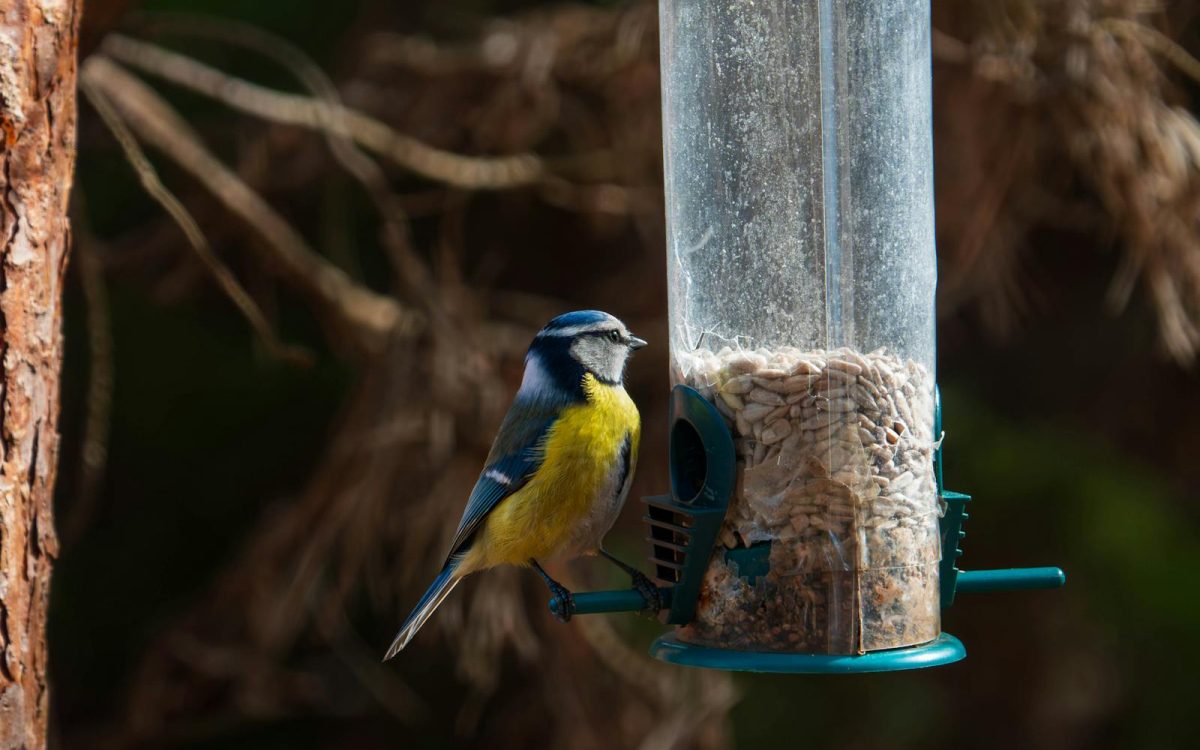
Tube feeders are transparent or semi-opaque cylinders with multiple feeding ports and perches. They hold seed cleanly, protect it from rain, and are easy to monitor so you know when to refill. Black-oil sunflower seed in a tube feeder is the combination most likely to attract the widest variety of common backyard birds, including chickadees, house finches, goldfinches, nuthatches, and titmice.
Anúncios
When comparing tube feeders, look for metal feeding ports rather than plastic ones. Squirrels can chew through plastic ports in minutes. A detachable base makes cleaning easier, and a wide enough tube diameter (at least two inches) prevents seed from jamming. Tube feeders with a seed tray attached beneath catch fallen seed and bring in ground-feeding birds like juncos and towhees without requiring a separate feeder.
Platform and Tray Feeders: Maximum Visibility, Minimum Selectivity
Platform feeders are exactly what they sound like: a flat surface, sometimes with low rails, where seed is spread openly. They attract the broadest range of species because any bird comfortable landing on a flat surface can use them, from mourning doves and blue jays down to smaller sparrows. The trade-off is exposure to weather and droppings. Seed on an open platform gets wet and soiled quickly, which means more frequent cleaning is essential.
Anúncios
Choose a platform feeder with drainage holes in the base so water does not pool. Fill it with a smaller amount of seed more frequently rather than loading it up and leaving it. Mixed seed works on platforms, but keep in mind that many birds will toss aside millet and other fillers to reach the sunflower seeds, creating waste on the ground below. Offering straight sunflower hearts or a quality blend reduces this problem.
Hopper Feeders: Good Capacity, Needs Monitoring
Hopper feeders have a central seed reservoir with a roof and two perching rails on the sides. They hold a larger volume of seed than tube feeders and dispense it as birds eat from the bottom. The roof protects seed from direct rainfall, making them more practical in wet climates than open platforms. Cardinals in particular seem to prefer the wider perching rails of hopper feeders over the narrow ports on tubes.
The main drawback is that seed near the bottom of the hopper can clump and go stale without being visible from the outside. Get into the habit of emptying and checking a hopper feeder completely before refilling rather than just topping it up. Any feeder with a wood construction needs regular inspection for rot, especially at joints and base edges.
Suet Feeders: The Woodpecker and Nuthatch Magnet
Suet feeders are wire mesh cages designed to hold blocks of rendered animal fat mixed with seeds, berries, or peanuts. They are the most effective feeder type for attracting woodpeckers, including Downy, Hairy, and Red-bellied Woodpeckers depending on your region. Nuthatches, brown creepers, and Carolina wrens also visit suet feeders regularly.
Hang a suet feeder from a tree branch or shepherd’s hook near other feeders and within sight of natural bark surfaces. In hot weather, plain suet can melt and go rancid; use no-melt suet cakes (sold widely in summer) or switch to peanut butter-based cakes that hold their shape better. Clean the cage monthly with a brush to prevent bacteria accumulating in the mesh.
Nyjer (Thistle) Feeders: Specifically for Finches
Nyjer feeders, also called thistle socks or finch feeders, are specialized for the tiny nyjer seed. The feeding ports are deliberately small to allow finches to extract seeds while preventing other birds and squirrels from accessing the contents easily. American goldfinches, pine siskins, and common redpolls are the primary visitors, and during finch irruption years, a nyjer feeder can become extraordinarily busy.
Nyjer seed is expensive and has a shorter shelf life than sunflower seed. If you are not seeing finches within a few weeks, check whether the seed is fresh by splitting a few seeds open with a fingernail: good nyjer is oily inside. Old or improperly stored seed loses its oil content and finches will pass it by. Buy nyjer in smaller quantities and store it in a sealed container.
Peanut Feeders and Ground Feeding Options
Wire peanut feeders attract blue jays, woodpeckers, and nuthatches. They are mesh cages with larger openings that allow birds to pull out peanut pieces. Offer only unsalted, dry-roasted or raw peanuts; salted or flavored peanuts are harmful to birds. Check peanut feeders frequently in damp weather since peanuts can grow aflatoxin mold quickly when wet.
Ground feeding is appropriate for doves, juncos, sparrows, and towhees. A ground tray or simply a cleared patch of soil beneath other feeders works well. Keep ground feeding areas raked clean every few days to prevent disease. If rats are a concern in your area, limit ground feeding to small amounts that birds consume within a day or two rather than leaving large piles.
Placement: The Variable That Changes Everything
Even the best feeder in the wrong spot will underperform. Birds need nearby cover to retreat to if a predator appears, ideally within six to ten feet. A shrub, dense hedgerow, or brush pile close to the feeder gives them confidence to visit and linger. At the same time, keep feeders far enough from windows to reduce collision risk: either within three feet (so birds cannot build up speed) or more than thirty feet away. The article on how to stop birds hitting windows explains this distance principle in more detail.
Multiple feeder types at different heights reduce competition between species. Finches and chickadees prefer elevated tube feeders; mourning doves and sparrows prefer the ground or low platforms; woodpeckers prefer suet at mid-trunk height. Spreading feeders out rather than clustering them all in one spot also reduces crowding and the associated disease risk. If you are still exploring which birds live in your area, our guide to identifying common backyard birds will help you match species to feeder types more precisely.
Quick Comparison at a Glance
- Tube feeder with sunflower seed: Chickadees, finches, nuthatches, titmice. Best all-round starter choice.
- Platform or tray: Doves, jays, sparrows, cardinals. Clean frequently.
- Hopper: Cardinals, finches, jays. Watch for stale seed at the bottom.
- Suet cage: Woodpeckers, nuthatches, wrens. Switch to no-melt in summer.
- Nyjer sock or tube: Goldfinches, siskins, redpolls. Use fresh seed only.
- Peanut feeder: Jays, woodpeckers, nuthatches. Unsalted only, check for mold.
Start with one or two feeder types rather than filling a yard with six or seven at once. Learn which species visit and when, then add more variety based on what you observe. A feeder you maintain well will always attract more birds than a feeder you simply hang and forget, and the maintenance habit is easier to build when you start with fewer feeders and grow from there.
See also: How to Help Backyard Wildlife Through Winter.