Anúncios
The year I started paying deliberate attention to the seasons, I was struck by how much I had been missing while living in the same place for a decade. I knew autumn had colorful leaves and spring had blossom, in the way you know something without really registering it. But the first year I actually watched: noted the exact date the first hawthorn leafed out, tracked which birds left and which arrived, noticed how the light in December fell completely differently than the light in June. That year the landscape around me stopped being scenery and became something I felt genuinely embedded in.
Seasonal nature awareness does not require remote wilderness or specialist knowledge. It requires attention and a loose sense of what to look for. Here is a practical framework for all four seasons.
Anúncios
Spring: The World Switching On
Spring is the most dramatic season for wildlife beginners because so much happens quickly and visibly. The changes that accumulate slowly through winter suddenly accelerate. In the earliest weeks, watch for the first insects on warm, sheltered walls or fence posts: bumblebee queens searching for nest sites are often among the very first, appearing sometimes in February in temperate climates. Flowers follow a reliable sequence, with snowdrops giving way to crocuses, then daffodils, then the great show of hawthorn and blackthorn blossom.
Bird behavior in spring is exceptionally rewarding to follow. Males begin singing in earnest before leaves return, which makes them far easier to see than at any other time of year. Learning two or three birdsong calls in early spring, when the soundscape is less crowded, is far easier than trying in midsummer when dozens of species are performing at once.
Anúncios
Amphibians are worth finding if you have access to a pond or slow-moving water. Frog spawn appears early, followed by toad spawn and then newts. The whole sequence, from first spawn to first froglets leaving the water, is one of the most satisfying things to track across a single season. If you want to deepen your spring observation, a dedicated spring nature guide can give you a much fuller picture of what each month holds.
Summer: Abundance and Patient Looking
Summer is the season of abundance, but it rewards patient, close-range looking more than any other time of year. The landscape is full, loud with insects and bird calls, and it can feel paradoxically hard to focus. The trick is to slow down and go small.
A single flower head in full sun will host an astonishing variety of insect visitors over the course of an hour. Bees of many species, hoverflies that mimic bees, small beetles, flies, butterflies, and moths all share the same patch of blooms and behave differently from each other. Watching one flower head for twenty minutes teaches you more about pollinators than any book.
Dragonflies and damselflies are among summer’s greatest spectacles near fresh water. Dragonflies hunt in strong, direct flight; damselflies flutter more weakly and rest with wings folded back rather than spread. Both are present in greater numbers and variety than most people realize, and they are large enough to observe in detail with the naked eye or simple binoculars.
Bats are active from early summer through to autumn. Dusk is the time to watch: stand near the edge of a tree line, a hedgerow, or a pond and look up against the still-bright sky about twenty minutes after sunset. Their erratic, fast flight is unmistakable. Common pipistrelle bats, the most widespread species in many parts of the world, are small enough to fit in a matchbox and eat three thousand insects a night.
Autumn: Color, Departure, and Preparation
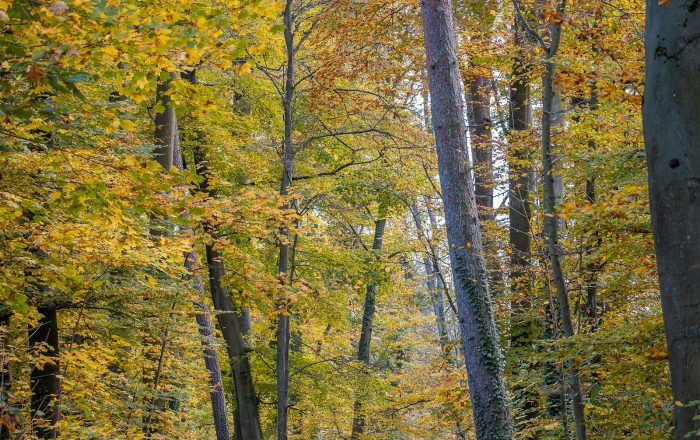
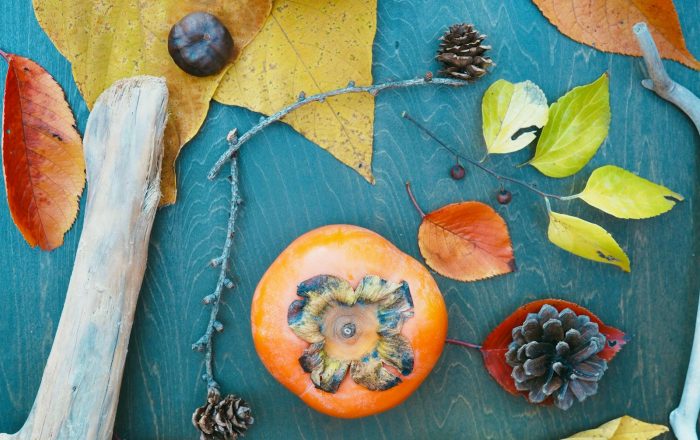
Autumn is layered in ways that take a few years of attention to fully appreciate. The obvious surface of the season is the leaf color, and it is genuinely spectacular, but underneath it several more subtle processes are happening at once. Birds are moving: summer visitors are departing and winter visitors are arriving, and for a few weeks in October and November, rare migrants turn up in places you would never expect them. Coasts, headlands, and even urban parks can hold surprising arrivals during autumn passage.
Fungi are an autumn reward for people willing to look at the ground. The mushrooms and toadstools you see are only the fruiting bodies of organisms that live through the year as invisible threads woven through soil and wood. Autumn is when they briefly surface. A full autumn nature guide can help you explore this season in much greater depth.
Berry-bearing shrubs and trees come into their own in autumn and are excellent for watching birds and small mammals. A hawthorn or rowan covered in red berries on a frosty morning will draw fieldfares, redwings, waxwings, and blackbirds in numbers that make identification straightforward even for beginners.
Spiders are highly visible in early autumn because many species reach full size just as dew begins coating their webs. An autumn morning on any stretch of grassland or hedgerow reveals a landscape threaded with webs that are invisible in drier conditions.
Winter: Seeing the Structure
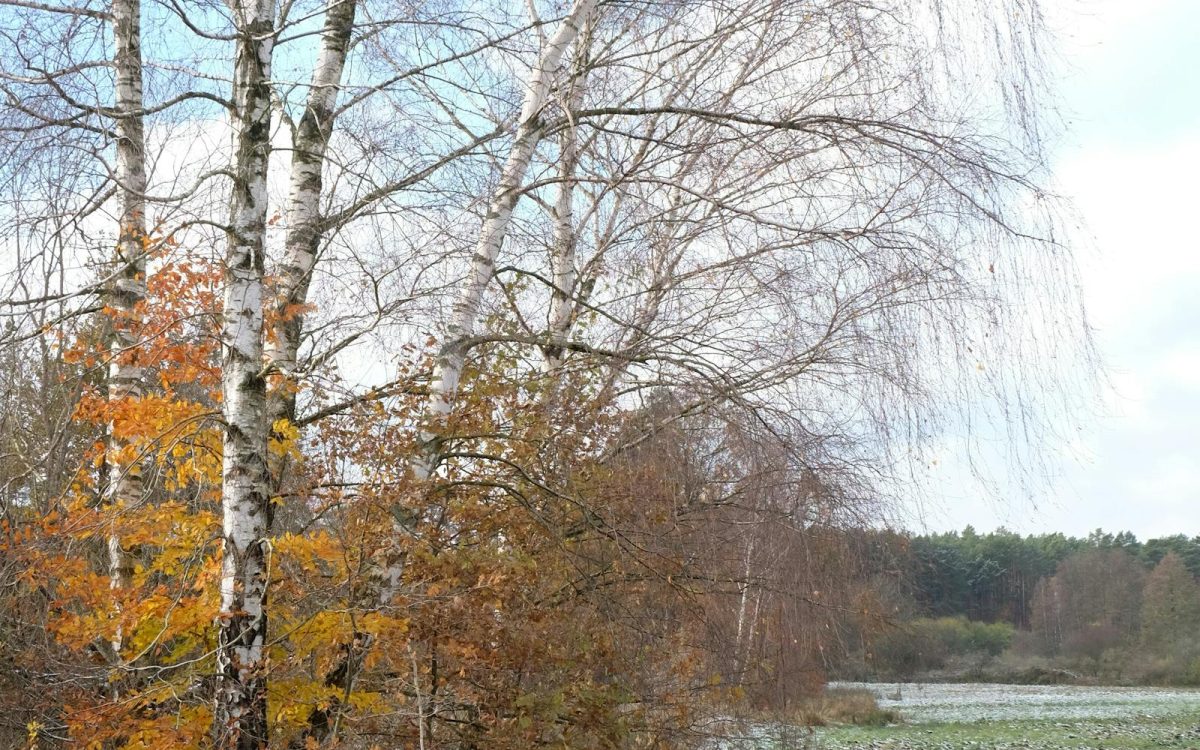
Winter feels like a quiet season but is actually one of the richest for observation once you adjust your expectations. The absence of leaves exposes the architecture of trees and the structure of hedgerows in ways impossible to see the rest of the year. Nests that were hidden through summer become visible in bare branches. Bird of prey roosts and communal starling murmurations are at their most accessible in winter evenings.
Winter is the best season for tracking. Soft ground holds animal footprints clearly: fox, rabbit, deer, badger, and many small mammals leave distinctive trails that tell stories of nocturnal activity you would never otherwise observe. A walk along a muddy path after rain can reveal more animal movement than an entire summer of watching.
Winter birdsong is underrated. On mild days from December onward, robins, wrens, and great tits often sing with real intensity, and hearing them against the silence of a stripped-back landscape is quite different from the full summer chorus. The winter nature guide goes into much greater detail about what makes the cold months worth stepping outside.
The Value of Returning to the Same Place
Across all four seasons, the single most powerful practice is returning to the same place through the year. A patch of woodland, a particular hedgerow, a local pond: followed through twelve months, any of these becomes a narrative you are invested in rather than a backdrop you pass through. You notice not just what is expected for each season but the small variations from one year to the next, the late spring, the early migrant, the flower that bloomed a month earlier than usual.
You do not need to be an expert to find this deeply rewarding. You just need to go back, regularly, and keep looking. The seasonal nature of the world is generous and reliable. It offers something new every month to anyone willing to notice.