Anúncios
The first clear sign that spring nature has shifted arrives before most people notice it. In late February, even as frost still hardens overnight, robins change the character of their song. The winter subsong, a quiet, rather melancholy warble, gives way to something more assertive and carrying, sung from higher perches, with a different cadence. It is not the same bird; it is the same bird announcing a new season. Spring, once you know what to listen for, announces itself weeks before the daffodils open.
February and March: The Quiet Beginning
The first flowers of spring push through cold soil before most people have thought about going outside. Snowdrops appear in sheltered hedgebanks and churchyards, sometimes as early as January in mild years. Look closely at a snowdrop flower: the three inner petals carry a green marking that varies between individuals, a detail invisible at a glance. Lesser celandines follow in late February, coating south-facing banks and roadside verges with flat, glossy yellow flowers that close at night and in cold weather.
Anúncios
In woodland, the understory wakes before the canopy closes. Hazel catkins, the yellow lamb’s-tail clusters that release pollen on dry days in February, are pollinated by tiny red female flowers on the same shrub, so small you need a hand lens to appreciate them properly. Dog violet and wood sorrel appear along woodland paths in March, and in ancient woodland sites, the white stars of wood anemones spread through bare leaf litter before the tree canopy shades them out. These early woodland flowers are racing against the leafing of the trees above them; most complete their flowering in the brief bright window of April.
The Return of the Migrants
One of the most moving experiences spring nature offers is hearing a migrant bird for the first time each year. The chiffchaff is usually the first warbler to arrive from Africa, and it announces itself unmistakably by singing its own name from the tops of willows and alders near water. That first chiff-chaff-chiff-chaff, often heard in March, carries the particular quality of something returned: a sound that was simply absent from the world for six months and is now back.
Anúncios
The blackcap arrives next, with a richer, more varied song that builds in intensity. Swallows reach Britain and Ireland in April, and the sight of the first swallow of the year, sweeping low over a pond or field with its forked tail and rust-red chin, never loses its power regardless of how many springs you have watched. House martins follow, along with swifts in May, and by late spring the sky over towns and villages is full of aerial activity that was entirely absent just eight weeks earlier.
Learning a handful of migrant arrival sounds rewards regular spring walks enormously. You do not need to be able to identify every species; simply noticing that the number of different bird voices in a hedgerow has doubled since last week, that there are now sounds present that were absent in February, is its own kind of understanding. The slow birding approach is particularly well-suited to spring, when fresh arrivals and territorial singing make every outing feel eventful.
Water: Where Spring Concentrates
Ponds, ditches, and slow streams are where spring nature is most concentrated and most visible in March and April. Common frogs return to their breeding ponds in late February and March, often appearing in large numbers in a very short window. Frogspawn arrives suddenly, a cloud of black dots in clear jelly that seems to fill a pond corner overnight. Toad spawn follows slightly later, laid in long strings around underwater plant stems rather than in floating masses.
Returning weekly to a pond with frogspawn charts one of the most satisfying progressions in spring nature. Within two weeks the black dots grow C-shaped tails. Within four weeks tiny tadpoles are wriggling free. By May, tadpoles with back legs are visible from the bank. By June, the water’s edge is scattered with thumbnail-sized froglets making their first land journey. This complete transformation, from spawn to froglet in four months, is free to watch in almost any garden pond or local water body.
Dragonfly and damselfly larvae are already active in the pond shallows, and early bumblebee queens appear on warm days from March, visiting willow catkins and early garden flowers to build the energy reserves they need to start a colony. A large, fluffy bumblebee queen on a catkin in March sunshine is one of spring’s small, reliable pleasures.
Blossom: Timing the Sequence
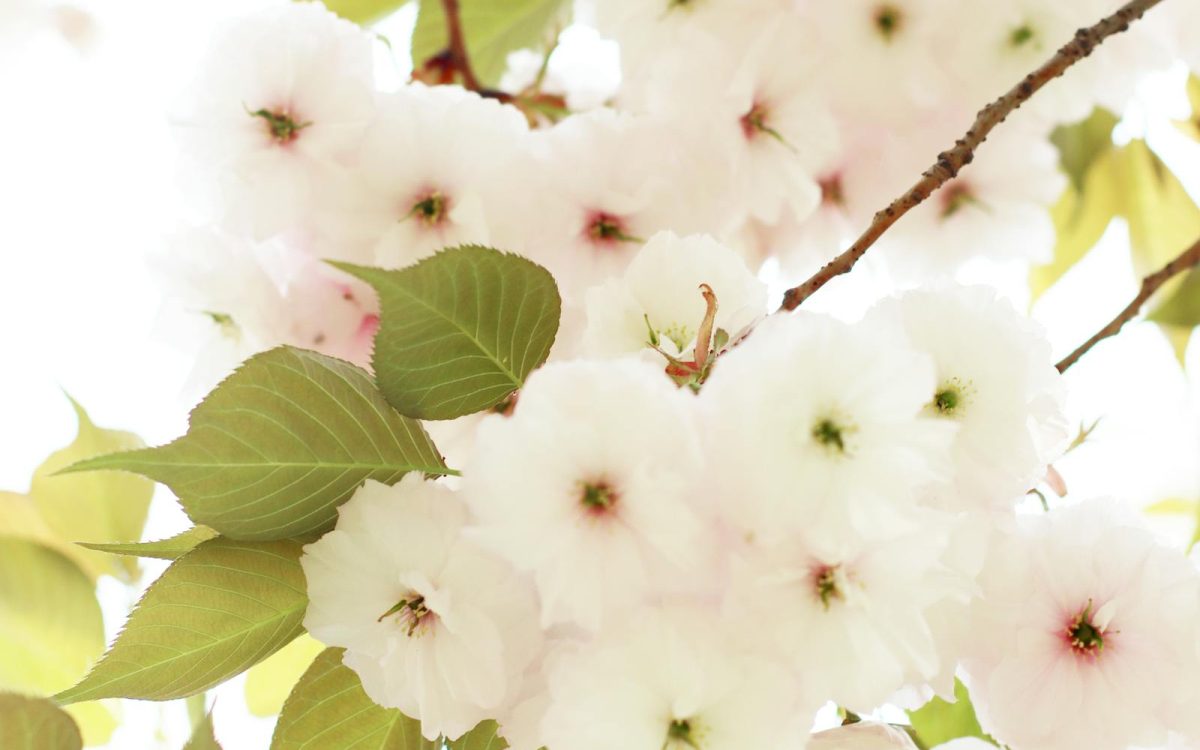
The blossom sequence in spring moves predictably through species, and tracking it gives you a rough but reliable calendar for the season. Blackthorn, the thorny hedgerow shrub that produces sloe berries in autumn, blazes white in March before its leaves appear. This can be disorienting: a dark, leafless thorny stem suddenly covered in dense white flowers, as if spring arrived overnight.
Cherry follows in April, then the hedgerow explosion of hawthorn blossom in May, which is so dense it can give an entire countryside a creamy froth appearance when seen from a distance. Elderflower comes in late May and June. Apple orchards, if you have access to one, are extraordinary in April: the smell alone, something between honey and cold water, justifies a specific journey. Each of these blossom events lasts only a week or two in any given year, and they are the kind of thing you only appreciate by going outside specifically to find them rather than assuming they will wait for you.
Insects and the Web of Spring
Insects are the engine of spring, and their appearance is not random. Bumblebee queens emerge when temperatures consistently reach ten degrees or above. Orange-tip butterflies, one of the most charming early butterflies, appear in late April and fly only for a few weeks. Their caterpillars feed almost exclusively on garlic mustard, and finding an orange-tip means you are in a landscape that still has that plant growing in hedgerows and woodland edges.
The male orange-tip has the vivid orange wing patches that give the species its name; the female is white with grey-green marbling and is often misidentified as a green-veined white. Watching these butterflies patrol a hedgerow on a warm April afternoon, looking for females and feeding on primroses, is spring nature at its most concentrated. Other early butterflies to look for include the brimstone, a large, strong-flying, lemon-yellow species that overwinters as an adult and is often among the very first butterflies of the year.
How to Build a Spring Nature Habit
The richest spring experiences come from visiting the same places repeatedly rather than seeking out new sites every week. A local patch, even a small one, a local park, a stretch of footpath, a hedgerow you pass regularly, reveals its seasonal changes most clearly when you know its winter baseline. The first bluebell in the wood where last week there were only bare leaves carries a particular pleasure that no stranger to the wood can quite feel.
A simple notebook helps: note the date, the location, and what you saw or heard for the first time. First chiffchaff, first orange-tip, first swallow, first bluebell. These records, kept across several springs, become a personal phenology, a calendar of your local landscape that no published guide can replicate. This is the same spirit behind nature journaling, and spring is arguably the best season to begin it because so much changes so quickly that recording it feels both natural and satisfying.
You might also find it enriching to pair your spring observations with a broader seasonal guide like a year of nature by season, which sets what you are seeing now in the context of the full annual cycle.
Get outside this week before the season turns. Walk slowly along the nearest hedgerow or through the nearest patch of trees and count how many different sounds you can hear. In spring, that number changes week by week, and the morning you first hear something you have not heard since last April is one worth remembering.