Anúncios
A garden in January can look almost lifeless from a kitchen window: bare soil, leafless stems, frost on the grass. But step outside and look more closely. Under the bark of that dead standing tree, small beetles are waiting out the cold. In the hollow cavity of the hawthorn hedge, a wren roosts alongside a dozen others for warmth. In the undisturbed leaf litter at the border edge, a queen bumblebee is buried and dormant. Winter wildlife is not absent; it is just hidden, and its survival often depends on decisions made in the gardens and yards it shelters in.
What Winter Actually Means for Backyard Wildlife
Cold temperature is only part of the challenge. The deeper problem is the collapse of the food web that normally sustains most wildlife. Insects, which are the primary food source for dozens of bird species and the basis of most food chains in a garden, largely disappear from view. Fruit and berries are picked clean within weeks of ripening. Water freezes. Dense vegetation that provides cover is gone or thinned. Animals that cannot migrate or hibernate must find enough calories each short day to survive the long, cold night.
Anúncios
This is why winter wildlife care is about more than bird feeders. The full picture includes shelter, water, and the preserved scruffiness that most wildlife depends on but that tidy garden habits tend to eliminate.
Stop Cutting Back in Autumn
The single most impactful thing you can do for winter wildlife requires no purchases and almost no effort: leave your garden alone in autumn. Hollow plant stems from sunflowers, ornamental grasses, teasels, and perennials are overwintering sites for solitary bees, lacewings, and other beneficial insects. Seed heads on coneflowers, verbena, and knapweed are a food source for finches well into February. Leaf litter at the base of hedges and borders harbours ground beetles, hedgehogs, and overwintering butterfly pupae.
Anúncios
The old advice to ‘cut everything back hard in October’ made sense in an era of formal, ornamental gardens, but it is ecologically costly. A more practical approach is to leave perennial stems standing until late February or early March, then cut them back just as new growth begins. Your garden may look slightly less groomed, but it will be genuinely alive with activity you would otherwise have lost.
Set Up Winter Bird Feeding Properly
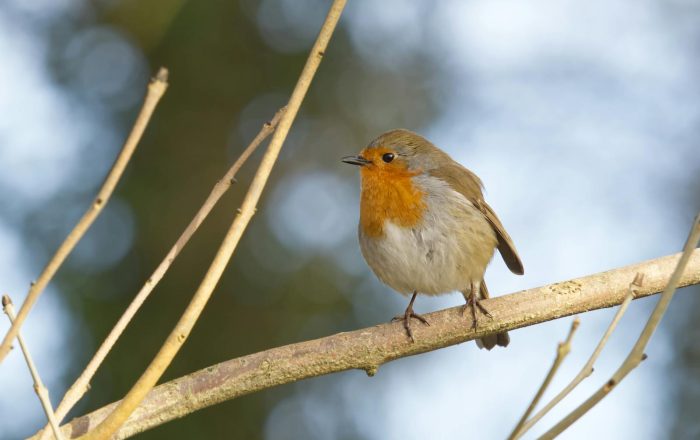
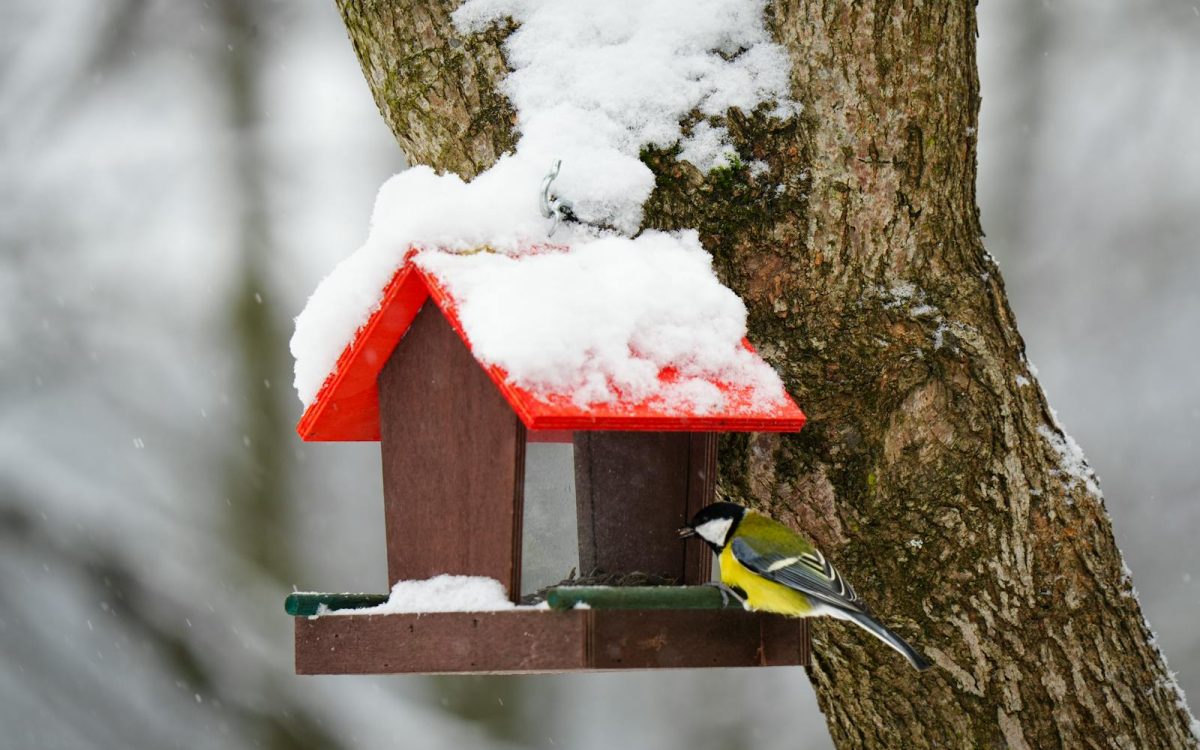
Supplemental feeding can make a real difference in the survival rates of resident birds like blue tits, great tits, nuthatches, and robins through periods of hard frost. The key is getting the food right and keeping it clean. Black sunflower seeds and sunflower hearts are eaten by the widest range of species. Suet blocks and fat balls provide the concentrated calories birds need when temperatures drop. Nyjer seed attracts goldfinches and siskins. Avoid salted peanuts, desiccated coconut, cooked oats, and bread, which either harm birds or have almost no nutritional value.
Imagine this scenario: you put up a tube feeder filled with sunflower hearts in late October, and within a week, a pair of nuthatches is visiting daily. By January, you have a rotating cast of eight to ten species. Then you skip cleaning the feeder for a month. A film of mould builds up on the ports. Birds that feed there pick up Trichomonosis, a disease that causes them to stop being able to swallow properly. Within weeks, some of them die. The feeder itself became a hazard. Scrub feeders with hot water and a mild solution every ten to fourteen days, and let them dry before refilling.
Position feeders away from dense shrubs where cats can hide and close enough to a tree or hedge that birds have an escape route. Place a variety at different heights: hanging feeders for tits and finches, a ground tray for thrushes and sparrows, a smooth-topped table for robins.
Keep Open Water Available
During a hard freeze, open water is one of the rarest resources in a garden. Birds need water for drinking and for keeping their feathers in condition, which directly affects how well they insulate against cold. A birdbath that is frozen solid is useless. The simplest daily habit is pouring a kettle of hot water over the ice each morning to thaw it and refilling with fresh water.
Placing the birdbath in a spot that catches morning sun slows refreezing. A shallow container is better than a deep basin in winter because it thaws faster and is easier for small birds to use. Never add salt, antifreeze, or any chemical to the water to prevent freezing; all of these are harmful or lethal to birds and other wildlife that drink from it.
Create and Preserve Shelter
Log piles, compost heaps, undisturbed leaf mounds, and dense ivy are all winter wildlife infrastructure. A log pile in a shaded corner, left to rot slowly, provides habitat for stag beetles, wood-boring insects, and the fungi that break down dead wood. Small mammals like wood mice and voles use log piles and compost heaps as refuges from cold and predators.
Dense evergreen vegetation, including ivy on a fence or wall, ivy growing through a hedge, or a shrub like pyracantha, serves as a roost site for small birds. Wrens, in particular, sometimes gather in groups of twenty or more inside a dense ivy clump on a cold night, sharing body heat. If you have ivy on a wall or fence and have been planning to cut it back, consider delaying that work until late spring when roosting and nesting season has passed.
Bat boxes and bird nesting boxes are not just for spring. Many birds use them as winter roosts well before any breeding begins. Supporting bats through winter by leaving their roost sites undisturbed is straightforward and costs nothing.
What Not to Do in a Winter Garden
Some well-meaning habits cause harm. Clearing every leaf from borders and composting it removes the overwintering layer for dozens of species. Digging over beds in winter destroys the dormant insects and invertebrates living in the top few centimetres of soil. Burning garden debris in bonfires is particularly damaging: a bonfire heap is almost invariably colonised by hedgehogs looking for a sheltered spot, and many die each year because the pile is lit without being checked first. Always move a bonfire pile to a new spot immediately before lighting it.
Feeding wildlife foods that are not designed for them causes problems too. Cooked porridge and bread may seem kind in the moment, but they ferment quickly, can cause crop impaction in birds, and attract rats. Understanding when feeding helps versus harms is part of caring for wildlife well.
How One Garden Connects to a Wider Network
Your yard is not an island. Birds range across multiple gardens and green spaces in a single morning. The wren that shelters in your ivy hedge forages in three other yards before returning. The hibernating bumblebee queen under your leaf pile emerged from a nest in a meadow two streets away. A connected patchwork of winter-friendly gardens across a neighborhood provides a safety net that no single yard can replicate alone.
This is why talking to neighbours about winter wildlife habits matters. Sharing what you have learned, or simply pointing a friend toward making their yard more wildlife-friendly, multiplies the effect of your own choices without any extra cost.
Carrying Winter Habits Into Spring
Keep feeding birds through April, when natural food is still scarce and many species are beginning the energy-intensive work of breeding. Resist cutting back dead stems until you see the first new shoots pushing through, which is a reliable signal that overwintering insects have likely emerged. Refill the birdbath even when days warm up, because spring droughts can make clean water just as scarce as frost does.
The reward for all of this is gradual but real. A yard that carries wildlife through winter becomes a yard full of birdsong in March, full of bees by May, and full of the kind of observable natural detail that turns a garden into something genuinely alive. Winter is the investment; everything that follows is the return.