
Anúncios
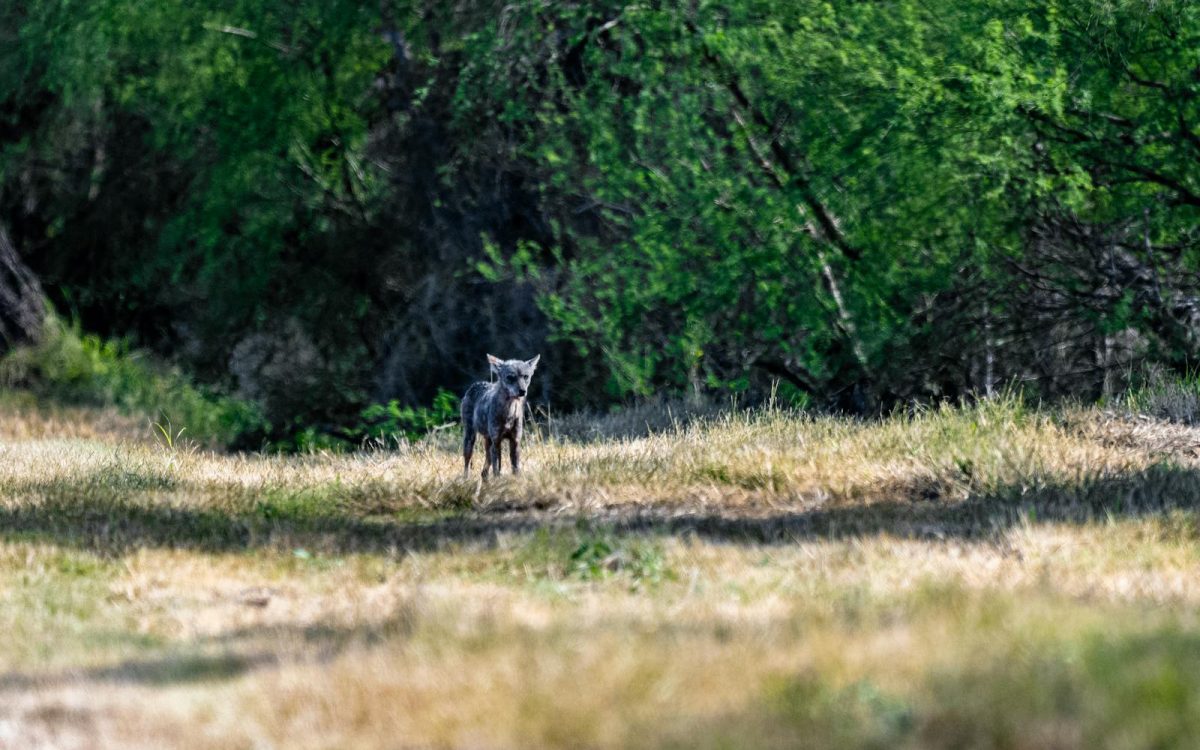
You are walking your dog on a suburban trail at dusk when a coyote steps out of the brush about thirty feet ahead. It looks at you. You look at it. Your pulse picks up. What do you do?
For most people, that moment triggers an instinctive alarm that the situation does not really warrant. Coyotes are found in every major metropolitan area in North America, and the vast majority of encounters end with the animal simply trotting away. Knowing why they behave the way they do, and having a clear plan, turns an anxiety-producing moment into a manageable one.
Anúncios
Why Coyote Encounters Are Increasing
Coyote populations have expanded dramatically over the past century, partly because wolf populations that once kept them in check have declined, and partly because coyotes are exceptionally good at adapting to human-modified landscapes. They eat almost anything, compress their home ranges to fit smaller patches of habitat, and shift activity patterns to reduce friction with people. A coyote encounter in a suburban neighborhood is not a sign that something has gone wrong. It is a sign that you live in a landscape where a resilient wild animal has found enough resources to establish a territory.
Understanding that context matters because it shapes how you respond. You are not facing a predator that sees you as prey. You are encountering an animal that is probably curious, possibly wary, and is assessing whether you pose a threat to it.
Anúncios
What to Do in the Moment
The response to a coyote encounter is easy to remember and reliably effective. Stand your ground. Do not turn and run, which can trigger a prey-following response. Face the coyote, make yourself appear as large as possible by raising your arms or opening your jacket, and use a firm, loud voice. Shout, clap your hands, or stomp. This process is called hazing, and its purpose is to reinforce the coyote’s instinctive wariness of people.
Most coyotes will retreat immediately when confronted with this kind of assertive response. If the animal does not move off, take a slow step toward it while continuing to make noise. Keep your dog close on its leash throughout. Once the coyote has moved away, you can continue on your way. There is no need to leave the area in panic; the encounter is essentially over.
If you are with a small child when a coyote approaches, pick the child up immediately. That removes any ambiguity about whether the child might be perceived as prey and puts you clearly in the role of a larger, protective adult animal. Continue hazing until the coyote retreats.
A Common Scenario: the Evening Walk
Consider a typical situation: you are walking a small terrier along a quiet residential street at dusk. A coyote appears from a driveway about twenty meters ahead. It pauses and watches. Your dog strains at the leash toward the coyote, which in coyote body language can read as a challenge or an invitation.
The right move is to shorten the leash immediately, step forward two paces, and shout firmly while waving one arm. The coyote almost certainly turns and trots into the nearest garden or alley. You keep the dog close and continue your walk on the opposite side of the street. That is it. The encounter lasted less than thirty seconds and required no equipment, no expertise, and no panic.
What would make this scenario go worse is running, letting the dog give chase, or attempting to approach the coyote to get a better look or photograph it. All three actions either trigger a following response or reduce the animal’s healthy fear of people.
Reducing the Likelihood of Encounters at Home
The best coyote management happens before an encounter occurs. Removing attractants from your property significantly reduces how often coyotes visit. Do not leave pet food or water outside overnight. Secure rubbish bins with a bungee cord or a locking lid. Collect fallen fruit from garden trees regularly. Feed bird feeders in a way that does not drop large quantities of seed on the ground, which attracts the small rodents that coyotes hunt. Motion-activated lighting around your property gives coyotes one more reason to choose a quieter route.
For a broader look at keeping wildlife from treating your yard as a food source, the guide on whether to feed wild animals covers the principles clearly. And if you share your neighborhood with raccoons or other urban wildlife, understanding why wild animals move to cities gives helpful background on what drives these animals into residential areas in the first place.
Protecting Pets
Pets, particularly cats and small dogs, are the most common flashpoint in coyote conflicts. Cats left outside overnight in coyote-active areas face genuine risk. An outdoor cat enclosure or a simple commitment to bringing cats in after dark removes that risk entirely. For dogs, a leash is your most effective tool. Coyotes will generally not confront a dog that is walking calmly beside a person who is acting confidently. Coyotes are far more likely to test a dog that is off-leash and behaving erratically.
Be especially alert during pupping season, which runs roughly from April through June. Parent coyotes defending den sites or food supplies for pups can be more assertive during this period. Encounters near golf courses, parks with scrubby margins, or drainage corridors are more common in spring.
When to Contact a Wildlife Authority
The large majority of coyote encounters need nothing beyond the hazing response described above. Contact your local animal control office or state wildlife agency if you observe a coyote that approaches humans and does not retreat after assertive hazing, that enters a building, that appears visibly ill or injured, or if attacks on unattended pets are occurring repeatedly in your area. Do not attempt to trap, handle, or harm a coyote yourself. A licensed wildlife officer can make an informed assessment of whether management action is needed.
In the case of any bite to a person, seek medical attention promptly and report the incident to local health authorities. This is not a situation to manage at home. For broader guidance on responding to emergencies involving wild animals, what to do if you find an injured wild animal outlines the general principles of when to call for professional help.
A Realistic Perspective
Coyotes have lived alongside North American human communities for generations. The overwhelming record of those interactions is peaceful. These animals are intelligent, cautious, and well-served by avoiding confrontation with creatures much larger than themselves. Your job in an encounter is simply to remind the coyote that you are one of those larger creatures, and that approaching you is not worth its while. That message, delivered calmly and consistently by the people in any given neighborhood, is the most effective long-term coyote management strategy there is.
Carry a small air horn or a walking stick on trail walks in active areas. Keep dogs leashed at dawn and dusk. Bring pets in at night. Those three habits cover the vast majority of the risk, and they leave the coyote free to play its proper ecological role, controlling rodent populations and keeping the local food web functioning, while you go about your day without alarm.