Anúncios
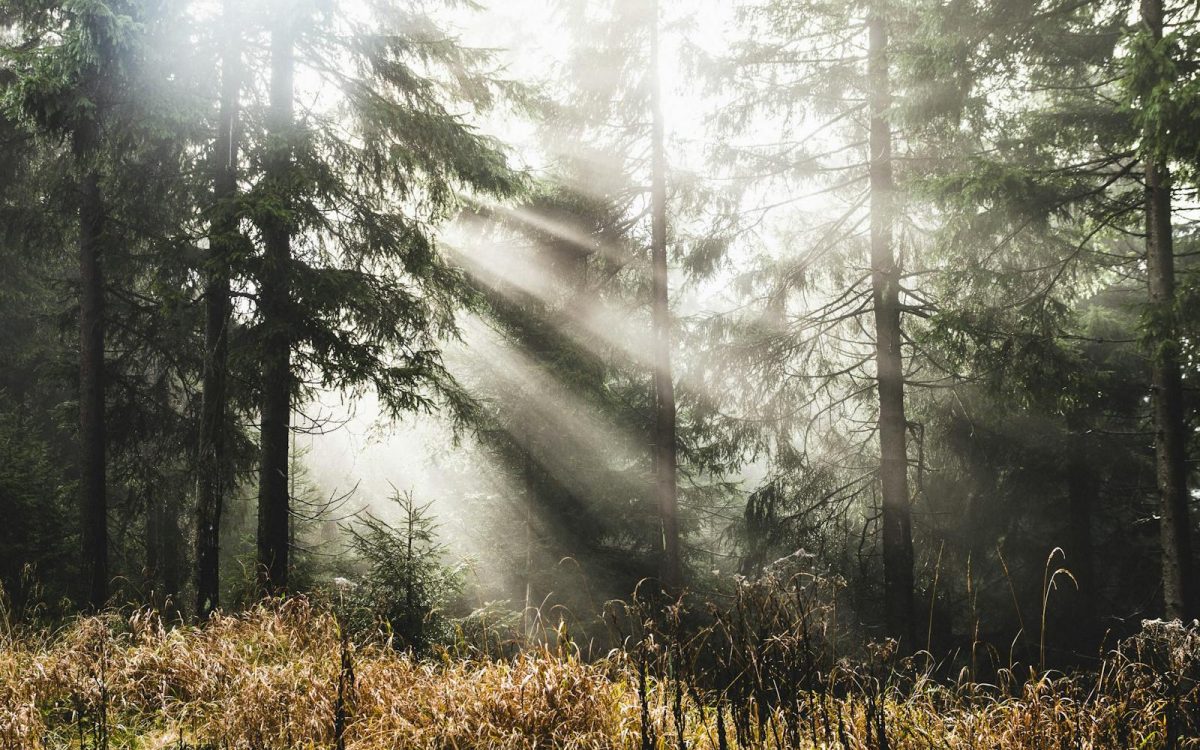
Stand quietly at the edge of a woodland after rain. The smell rising from the soil is decomposers at work, billions of bacteria and fungi breaking down last autumn’s leaves into the nutrients that next spring’s wildflowers will need. Overhead, a great tit is cracking open a caterpillar. Somewhere below your feet, a network of fungal threads is shuttling sugars between tree roots. None of this is accidental. All of it is an ecosystem in motion.
What an Ecosystem Actually Is
The word gets used loosely, but it has a precise meaning. An ecosystem is a community of living organisms, called the biotic components, interacting with each other and with their non-living environment, called the abiotic components. Abiotic factors include sunlight, temperature, rainfall, soil chemistry, and the physical structure of the land or water. The biotic side includes every plant, animal, fungus, and microbe in the area.
Anúncios
What makes a collection of species an ecosystem rather than just a list of animals is the flow of energy and nutrients between them. Plants capture sunlight and turn it into sugars. Insects eat the plants. Birds eat the insects. When the birds die, bacteria break their bodies back into raw materials the plants can use again. That continuous cycling is the engine of any ecosystem.
Ecosystems have no fixed size. A shallow rock pool on a beach is an ecosystem. So is the Pacific Ocean. The boundary is wherever the interacting community ends, which is often fuzzy. Most ecosystems blend into neighboring ones, sharing some species and exchanging materials across the border.
Anúncios
The Building Blocks: Producers, Consumers, and Decomposers
Every ecosystem organizes itself around three functional groups.
Producers are the plants, algae, and some bacteria that capture energy from the sun through photosynthesis. They are the entry point for all energy in almost every ecosystem on Earth. Without them, the chain simply stops.
Consumers are the animals that eat producers or eat other animals. A rabbit eating grass is a primary consumer. A fox eating the rabbit is a secondary consumer. Consumers channel energy up through the system, but they also control population sizes and shape the landscape through grazing and browsing.
Decomposers are the often-overlooked heroes. Fungi, bacteria, and detritivores like earthworms break down dead organic matter and waste, releasing nutrients back into the soil and water. Without decomposers, dead material would pile up and the nutrient cycle would grind to a halt. A single gram of healthy forest soil holds millions of bacterial cells performing this work continuously.
Why Non-Living Factors Matter as Much as Living Ones
It is easy to focus on the animals, but the abiotic side of an ecosystem sets the rules. Temperature determines which species can survive. Rainfall governs how dense the vegetation grows and how much water is available for animals. Soil chemistry shapes what plants take root, which in turn determines which insects and birds can live there.
Consider a simple example. A change in local rainfall patterns might reduce the depth of a pond by a meter. That small shift could eliminate the aquatic plants that waterfowl relied on for nesting, reduce the oxygen available for fish, and concentrate nutrients in ways that favor algae blooms over clear water. The animals did not change; the physics did, and the biology followed.
This is why conservation scientists pay close attention to hydrology, soil health, and even local wind patterns when assessing whether a habitat can support a target species. You cannot protect an animal without protecting the physical conditions it needs.
How Ecosystems Stay in Balance
Healthy ecosystems are not static. They pulse with seasonal change, recover from storms, and absorb the shock of individual species fluctuations. This capacity is called resilience.
Resilience comes partly from redundancy. In a diverse ecosystem, multiple species often perform the same role. If one pollinator species declines, others can pick up some of the slack. If one predator disappears, another may expand to fill the gap. The more species performing a function, the less vulnerable the system is to losing any one of them.
Balance also comes from feedback loops. When prey animals are abundant, predator populations grow, which reduces prey numbers, which reduces predator food supply, which brings predator numbers back down. These checks and balances keep populations cycling within a range rather than exploding or collapsing. The predator-prey relationship is one of the most studied feedback mechanisms in ecology.
Disruption comes when change happens faster than the ecosystem can absorb it. Invasive species, large-scale habitat removal, or sudden shifts in climate can overwhelm resilience. Once a tipping point is crossed, ecosystems can shift to a new state that may support far fewer species.
Different Kinds of Ecosystems Around the World
Ecologists group ecosystems into broad categories called biomes, each shaped by climate and geography. Tropical rainforests hold more species per square kilometer than almost anywhere else, fueled by constant warmth and rain. Arctic tundra hosts far fewer species but each one is exquisitely adapted to cold, low-light conditions. Between those extremes lie grasslands, wetlands, deserts, temperate forests, and marine systems from coral reefs to the deep ocean floor.
Each biome has its own energy dynamics. Grasslands store much of their carbon below ground in deep root systems, making soil their hidden engine. Wetlands process vast quantities of nutrients and filter water, services so valuable that a single marsh can do the work of a large water-treatment facility. Different habitat types each bring a different set of ecological services to the landscape.
Even urban areas form ecosystems, though altered ones. City parks, roadside verges, and garden ponds connect to form a patchy green network where surprisingly resilient communities of birds, invertebrates, and plants persist alongside millions of people.
What Happens When Ecosystems Break Down
The most immediate sign of ecosystem trouble is often a population crash in a species that held others in check. When grey wolves were removed from Yellowstone National Park in the early twentieth century, elk populations expanded and grazed river banks bare. The vegetation loss destabilized stream banks, changed water temperature, and reduced fish habitat. When wolves were reintroduced decades later, the entire system began to shift back, a process sometimes called a trophic cascade.
This example shows something important: species that seem minor from a human perspective can be load-bearing pillars of a whole system. Understanding keystone species and the roles they play helps explain why biodiversity loss is not just an aesthetic problem but a functional one.
Habitat loss remains the biggest driver of ecosystem breakdown globally. When a wetland is drained or a forest is cleared, the physical template for all those interactions disappears. Species cannot simply relocate; most are tightly tied to particular conditions. Habitat loss breaks the connections that make an ecosystem work, often faster than natural recovery can follow.
Why Understanding Ecosystems Changes How You See the World
Once you start thinking in ecosystem terms, a walk in any park becomes something richer. That patch of nettles is not a weed problem; it is the larval food plant for red admiral and peacock butterflies. The dead tree in the corner is not tidying-up material; it is a hotel for woodpeckers, bats, beetles, and mosses. The murky pond edge is a nursery for dragonflies.
Ecosystems are, at their core, a reminder that everything is connected. Pulling one thread changes the pattern. Adding one species back can restore it. Paying attention, whether in a national park or a backyard corner, is where that understanding begins.
Try this: next time you are outside, pick one living thing and ask two questions. What does it eat, or what eats it? And what non-living conditions does it need? Follow those threads and you have started to map an ecosystem for yourself.