
Anúncios
Safety around wildlife is not a complicated subject dressed up in complicated language. It comes down to a handful of principles that apply across a very wide range of situations, from a fox in your garden to a bear on a backcountry trail. Get those principles right and the specifics fall into place naturally. Get them wrong and even an encounter with a normally harmless animal can escalate into something uncomfortable.
The Core Principle: Give Every Animal an Exit
The single most important thing you can do around any wild animal is to ensure it always has a clear route away from you. An animal with an escape route available will almost always take it. An animal that feels cornered or blocked will hold its ground or bluff a charge. This applies to a raccoon trapped against a fence, a deer in a narrow garden corridor, a snake coiled on a sunny path, and a bear encountered on a trail. Your positioning matters enormously. If you are standing between the animal and its preferred escape direction, move to one side before doing anything else.
Anúncios
This principle also explains why approaching wild animals is nearly always a mistake, regardless of how calm the animal appears. The closer you get, the smaller the escape option becomes from the animal’s perspective, and the more likely a defensive response becomes. Observe from where you are. If you want a closer look, use binoculars.
Reading Animal Body Language
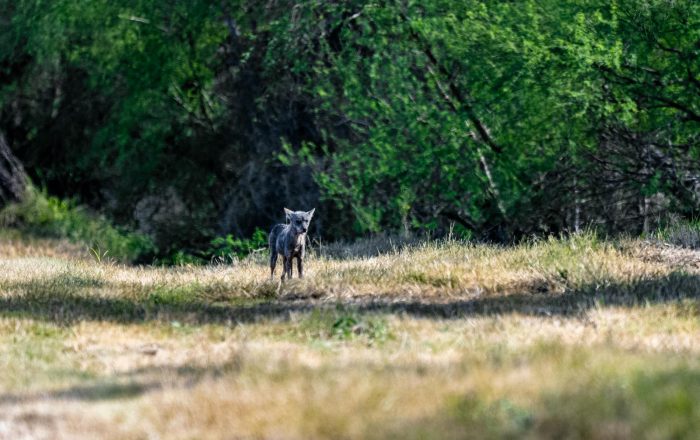
Wild animals communicate clearly, but their signals are not always obvious to people unfamiliar with them. A deer that stops grazing and faces you with its ears fully forward is on alert. A hawk that lowers its head and mantles its wings over prey is protecting a meal and does not want to be approached. A fox that sits and watches you calmly from across the street is curious or simply resting; it is not planning anything. A raccoon that stands up on its hind legs is getting a better look, not preparing to attack.
Anúncios
The signal to take most seriously across all species is an animal that approaches you without hesitation in daylight hours. Healthy wild animals are naturally cautious around people. An animal that has no instinctive retreat response when a person is nearby may have been food-conditioned through repeated feeding, or may be sick. In either case, the appropriate response is to back away slowly while keeping the animal in sight, and to contact your local wildlife authority if the behavior is persistent.
Specific Situations and What to Do
Trail encounters with large mammals follow a consistent set of best practices. Make noise while walking through dense cover, near streams, or on blind corners. Give animals you encounter plenty of space and time to move away. Do not run from any large predator; running can trigger a chase response in animals that were not previously interested in you. Back away slowly while facing the animal. In black bear country, speaking in a calm, firm voice and making yourself appear large is generally effective. Carry bear spray if you hike in grizzly bear range, and know the difference between defensive and predatory behavior before you go.
For everyday neighborhood encounters with deer, raccoons, foxes, or coyotes, the same exit-route principle applies. A fox that has wandered into your garage and appears trapped needs you to step back and open a clear path to the outside, then wait quietly for it to find its own way out. A deer stuck in a fenced garden needs the gate opened and you moved well away from it before it will attempt to leave. Chasing or herding trapped animals almost always makes things worse. Patience and distance resolve most situations that patience and distance created in the first place.
Children and Pets Around Wildlife
Children are naturally curious and have less developed instincts about wildlife signals, which puts them at higher risk in areas where dangerous animals may be present. Teach children from a young age that wild animals are not pets, that touching them without explicit adult guidance is not safe, and that a wild animal that approaches them should be given space and reported to a nearby adult. These habits, built early, stay with children into adulthood.
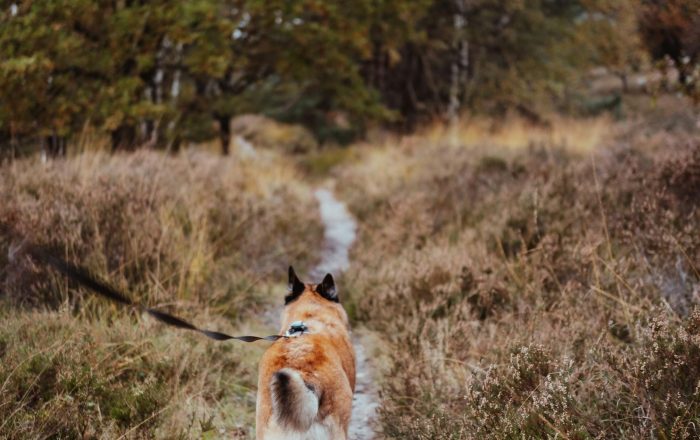
Pets present different risks. Dogs off leash in wildlife areas can surprise animals, provoke defensive responses, and then run back to their owner with the animal in pursuit. The consistent use of a leash in areas with known wildlife activity is one of the most effective safety measures available, for both the dog and the wildlife. The article on keeping pets and wildlife safe from each other goes into this topic in depth.
Cats that roam freely outdoors face risks from larger predators like coyotes and hawks in some regions, and they present significant risks to wildlife themselves. An indoor cat or a supervised outdoor enclosure is safer for the cat and considerably better for local bird and small mammal populations. The piece on cats and wildlife safety covers the full picture.
Food, Smell, and Attracting the Wrong Attention
In areas with bears or other large wildlife, food management is not optional. In bear country, store food in bear-proof containers or hang it away from camp, never in tents. Cook and eat away from sleeping areas. Dispose of food scraps properly. These practices are well established and genuinely effective. Bears that have never been rewarded for approaching campsites rarely become problems; bears that have found food in or near human spaces quickly learn to associate people with easy calories.
In everyday suburban settings, the same logic applies at a smaller scale. Leaving pet food outside, letting rubbish bins overflow, or deliberately putting food out for wildlife creates animals that have no reason to maintain a healthy distance from people. A fox that is never fed by people passes through your garden and continues on its route. A fox that is fed regularly by three neighbors on the same street becomes bold, loses wariness, and eventually becomes the animal that worries people. The article on whether you should feed wild animals explains this dynamic clearly.
What to Do When Something Goes Wrong
Despite all precautions, encounters occasionally escalate. If you are bitten or scratched by any wild animal, wash the wound thoroughly with soap and water and seek medical attention the same day. Report the incident to local health authorities, as bite assessments sometimes require the animal to be tested. Do not delay on the assumption that the animal looked healthy; some diseases including rabies have no visible early-stage symptoms in carriers.
If you find an animal that is injured or behaving in a way that suggests illness, do not handle it yourself. Contain the animal from a distance if necessary to keep it from moving into a road or entering a building, and call your local animal control office or a licensed wildlife rehabilitator. For a step-by-step breakdown of this kind of situation, what to do if you find an injured wild animal gives clear guidance on getting help quickly without putting yourself at risk.
A Mindset That Travels With You
Safe wildlife habits are not a checklist you consult once and put away. They are a way of moving through shared spaces: alert without being fearful, aware without being hypervigilant, respectful of the fact that the animals around you have their own priorities and perspectives. That mindset serves you whether you are hiking a mountain trail or checking why something knocked over your garden chair in the night. Most wildlife wants exactly what you want from the encounter: to go about its day without incident. Stay aware, keep your distance, secure your food, and the vast majority of wildlife encounters will be exactly as benign as they were always going to be.
Carry your binoculars, move quietly enough to notice what is around you, and give every animal the room it needs to simply not feel threatened. That combination handles more situations than any specific tactic, and it makes time spent in or near the natural world a far richer experience.