Anúncios
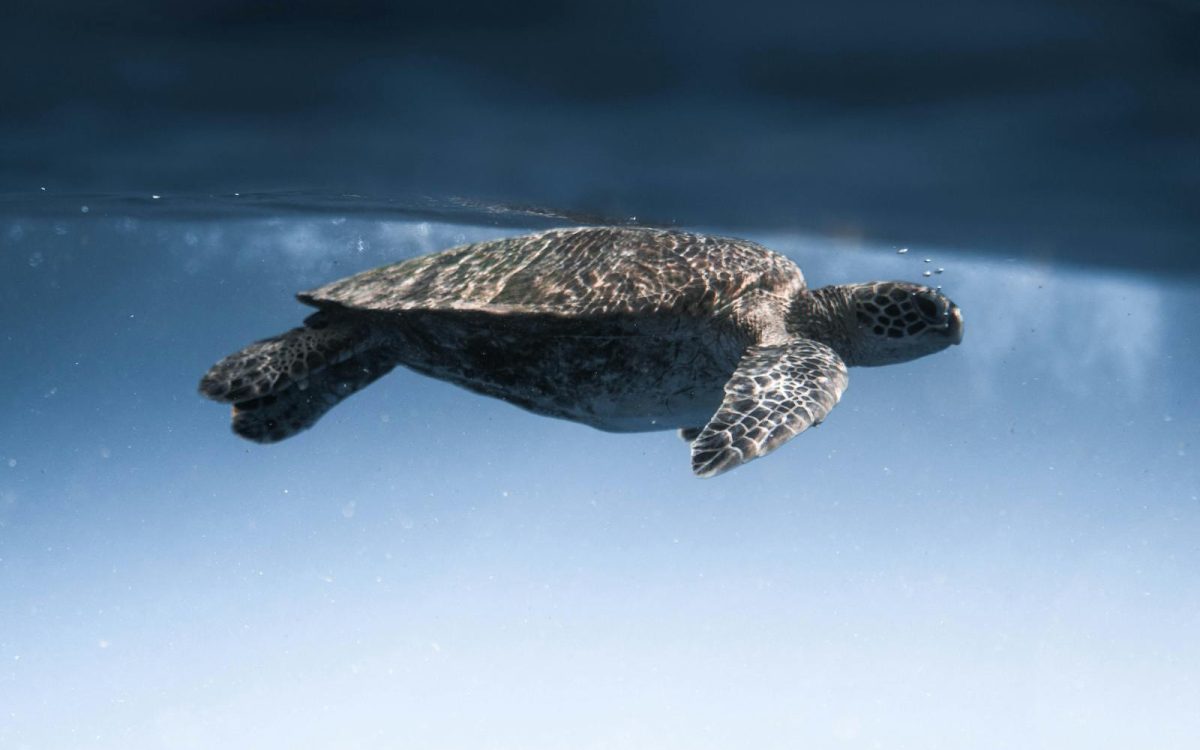
A friend of mine adopted a leatherback sea turtle through a Caribbean conservation charity years ago. She received updates, a photo, and a name for the turtle she had helped track. The following spring, the organisation reported that her turtle had successfully nested and produced a clutch of eggs on a monitored beach. She had never left her kitchen. Her contribution was small. But scaled across thousands of similar donors, that charity had funded a monitoring programme that was protecting one of the last healthy nesting beaches for a critically endangered species. The connection between small, ordinary actions and large-scale outcomes is real, but it runs through systems rather than through individual heroics.
Understand What Actually Threatens the Species You Care About
Before choosing an action, it helps to know what is actually driving a particular species toward extinction. The threats differ profoundly. Leatherback sea turtles face light pollution that disorients hatchlings, plastic ingestion, bycatch in fishing gear, and poaching of nesting females. Monarch butterflies are threatened primarily by loss of milkweed in agricultural landscapes and forest loss at their overwintering sites. Amur leopards are squeezed between habitat fragmentation, prey depletion, and illegal hunting.
Anúncios
Generic conservation gestures help at the margins, but actions targeted at the actual threats are far more effective. A person who cares about monarch butterflies will achieve more by planting milkweed in their garden and supporting prairie restoration than by writing cheques to a broad-spectrum conservation fund. Taking ten minutes to read about what specifically threatens a species turns vague concern into targeted action.
Your Purchasing Choices Reach Further Than You Think
Consumer demand shapes land use on the other side of the planet. The expansion of palm oil plantations into Sumatran orangutan habitat, the clearing of jaguar territory for soy and beef production, the pressure on forest elephants from logging — each of these connects, through supply chains, to the choices made in supermarkets and online stores in wealthier countries. This connection is not a reason for guilt. It is a reason for deliberate choice.
Anúncios
Sustainable certification schemes are imperfect but genuinely useful. The Forest Stewardship Council (FSC) label on wood and paper products indicates certified sustainable sourcing. The Marine Stewardship Council (MSC) label on seafood indicates fisheries meeting sustainability standards. The Rainforest Alliance certification covers a range of agricultural products. None of these labels is perfect, but choosing them over uncertified alternatives creates market pressure in the right direction. Reducing meat consumption, particularly beef and pork from regions linked to deforestation, has one of the largest single-action effects on land use pressure available to an ordinary consumer.
Support the Organisations Doing Field Work
The science of conservation has identified clearly that protecting and restoring habitat is the most effective intervention for most endangered species. Field conservation — patrolling reserves, managing invasive species, running breeding programmes, monitoring populations — requires sustained funding and sustained human effort. Individual contributions to well-run field conservation organisations translate into tangible outcomes.
When choosing where to give time or money, look for organisations that report specifically on outcomes: hectares protected, individuals born in captive breeding programmes, nests monitored, rangers employed. National and local wildlife trusts often have the clearest connection between contribution and outcome because they manage specific named pieces of land that you can visit. International organisations working on the species you care about most should be able to tell you, clearly, how your contribution connects to work on the ground.
Participate in Citizen Science
You do not need a biology degree to contribute directly to the data that conservation decisions are based on. Citizen science programmes recruit ordinary observers to survey populations, record sightings, and monitor trends across areas that professional researchers cannot cover alone. In many countries, the core datasets used to make Red List assessments and set conservation priorities rely substantially on volunteer observations.
The Christmas Bird Count in North America has been running since 1900 and produces data used in population monitoring for dozens of species. The UK Butterfly Monitoring Scheme relies on volunteer transect walkers. Sea turtle nesting beach surveys involve hundreds of community monitors in multiple countries. If you are interested in tracking what is happening with local wildlife, the guide on wildlife basics every beginner should know gives good context for understanding what you are observing and why it matters.
Advocate Where It Counts
Individual consumer choices and charitable donations are important, but the largest drivers of biodiversity loss — agricultural policy, development planning, fisheries regulation, trade in wildlife products — are shaped by governments and corporations. Engaging with these systems is not beyond ordinary people.
Contacting elected representatives about specific conservation legislation, responding to planning consultations that affect local habitats, and supporting organisations that engage in policy advocacy all contribute to the political environment in which conservation decisions are made. A flood of constituent correspondence about a specific species protection measure has changed votes. Organised public pressure has reversed decisions to weaken environmental protections. The key is being specific: a letter about a named piece of legislation, a named planning application, or a named trade regulation is more effective than a general expression of concern about the environment.
Think About Where You Travel and How
Wildlife tourism, when done responsibly, generates direct economic incentives for habitat protection in places where endangered species live. A community that earns a sustainable income from wildlife watching has a tangible reason to protect the wildlife and the habitat. Choosing operators that employ local guides, follow wildlife-watching guidelines, and contribute to conservation funds puts money into this system. Avoiding wildlife attractions that involve captive animals in unnatural conditions, direct animal handling, or performances withdraws economic support from those practices.
Responsible tourism also means following the ethical guidelines that exist for a reason. Keeping distance from nesting sites, staying on trails to avoid habitat disturbance, not purchasing wildlife products as souvenirs, and reporting observed wildlife crime to appropriate authorities are all things any traveller can do. The ethics behind these choices are explored in more depth in the article on the ethics of wildlife photography, which covers the broader question of how to observe wildlife without causing harm.
Help Create or Protect Local Habitat
You do not have to travel to a distant ecosystem to contribute habitat. Gardens, parks, roadside verges, farm hedgerows, and urban green spaces form a mosaic of habitat that many species — including some that are genuinely threatened — depend on. Planting native species, removing invasive plants from local greenspace, and supporting your local wildlife trust or land conservancy all contribute to the connected network of habitat that allows species to persist and move through a landscape.
A group of volunteers in Kent, UK, spent three weekends removing invasive Himalayan balsam from a stretch of riverbank. Within two seasons, the riverbank had recolonised with native plants, and the local water vole population, previously absent from that section, reappeared. The action was modest. The effect was specific, visible, and permanent. Most conservation progress is made this way: not in one grand intervention, but in hundreds of small deliberate acts by people who showed up and did the work.
Pick one thing from this article that fits your actual life, your time, your budget, and your interests. Do it well and consistently. Then, after a season or a year, add one more. The compounding effect of sustained, targeted action by many ordinary people is what conservation science increasingly identifies as the factor most likely to determine whether the species in crisis today have a future.