Anúncios
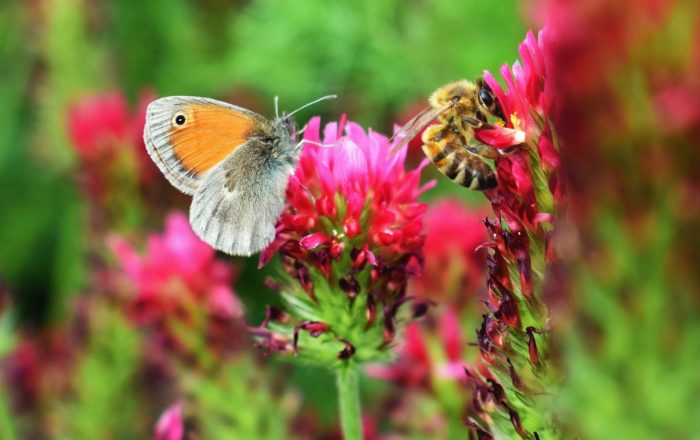
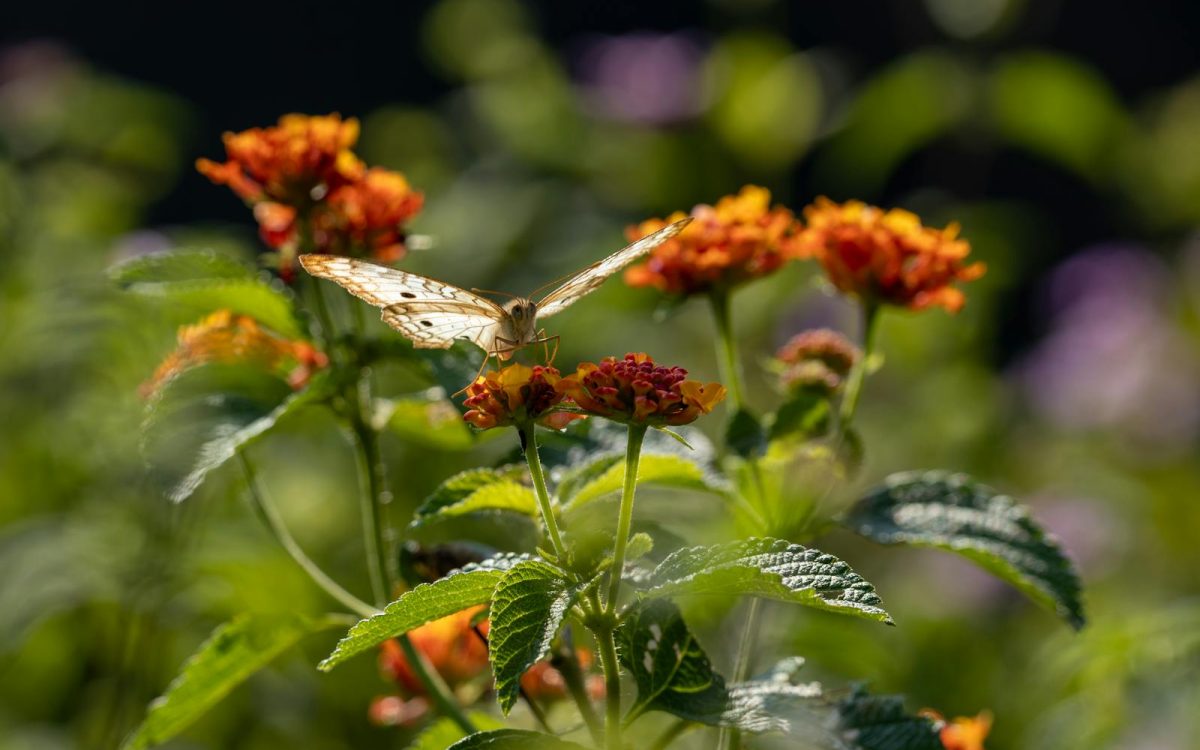
A painted lady lands on a purple coneflower. A swallowtail drifts between lavender stems. These are not chance events. They happen because a garden is giving butterflies exactly what they came looking for: nectar, warmth, and a safe place to rest. Learning how to attract butterflies is mostly about understanding what they need at each stage of their lives, then making sure your outdoor space delivers it.
Why Butterflies Are Choosy About Gardens
Butterflies are not just looking for flowers. They are managing their body temperature, seeking mates, finding water, and searching for the exact plants their caterpillars can eat. A garden that offers only nectar will attract some visitors, but a garden that also provides host plants and shelter can support entire generations. That distinction matters if you want butterflies returning year after year rather than simply passing through.
Anúncios
Most adult butterflies feed on nectar, which supplies energy for flight and reproduction. Their larvae, however, are far more selective. Monarch caterpillars eat only milkweed. Black swallowtail larvae feed on plants in the carrot family, including dill and parsley. Knowing which species live in your region, and planting what their caterpillars need, turns your garden into a complete habitat rather than just a pit stop.
Choosing the Right Plants to Attract Butterflies
Native flowering plants are your strongest tool. They have co-evolved with local butterfly species over thousands of years, so local butterflies recognize them, trust them, and are drawn to them more reliably than to ornamental exotics. Purple coneflower, black-eyed Susan, goldenrod, wild bergamot, and native asters are all excellent nectar sources that also tend to be easy to grow.
Anúncios
For host plants, start with milkweed if monarchs pass through your area. Even a small patch of three or four plants can support a caterpillar through its full development. Fennel and dill will invite black swallowtail caterpillars, and native violets host several fritillary species. You do not need a botanical garden. A border of mixed natives along a fence, or even a dedicated four-by-four-foot bed, can make a real difference.
Aim for continuous bloom from early spring through late autumn. Butterflies are active from the first warm days of spring through the final warm spells of October in most regions, so gaps in flowering mean gaps in visitors. Planting early-blooming species like native phlox alongside late bloomers like asters covers that full window without requiring much extra effort.
Sunlight and Warmth: The Often-Overlooked Requirement
Butterflies are ectothermic, meaning they rely on external heat sources to warm their flight muscles. They need at least four to six hours of direct sun each day to function well. A shaded garden, no matter how many flowers it contains, will see far fewer butterflies than a sunny one. If your yard is mostly shaded, look for the sunniest corner and concentrate your butterfly plants there.
Flat stones or low walls in full sun serve as basking spots. Butterflies will often land on these surfaces in the morning to absorb heat before they begin foraging. Adding a few larger rocks to a sunny border is a small touch that can noticeably increase how long butterflies stay in your garden rather than just passing through.
Providing Water the Way Butterflies Actually Use It
Butterflies rarely drink from open water the way birds do. They prefer a behavior called puddling, where they gather on damp soil, sand, or gravel to sip water and extract dissolved minerals and salts. You can create a puddling station with a shallow dish, a pie plate, or even a depression in the ground. Fill it with coarse sand, keep it consistently moist, and place it somewhere sunny and sheltered from wind.
A pinch of wood ash or a few drops of liquid seaweed fertilizer in the water provides extra minerals that seem to attract more butterflies to the spot. Refresh the water every couple of days to prevent mosquito breeding, and make sure the surface of the sand stays exposed so butterflies can land safely.
Avoiding Pesticides in Butterfly Areas
This is non-negotiable if you want a thriving butterfly garden. Even organic pesticides like neem oil and pyrethrin can harm butterfly larvae and deter adults. Systemic pesticides are especially dangerous because they move into the pollen and nectar of treated plants, poisoning the very food source butterflies visit. If you need to manage pests elsewhere in the garden, keep treated areas well away from your butterfly plants and avoid spraying on windy days.
Tolerating some caterpillar damage is part of the bargain. A plant with chewed leaves in summer is often a sign that butterfly larvae are at work, which means butterflies will emerge weeks later. Try to resist the urge to intervene unless damage threatens the survival of the plant itself.
Creating Shelter for Resting and Overwintering
Many butterfly species overwinter as adults in leaf litter, under loose bark, or in dense shrubs. Leaving some areas of your garden a little wild, with a pile of fallen leaves in a corner or a brush stack near a fence, gives overwintering butterflies somewhere safe to shelter. In spring, those individuals will be among the first to emerge in your garden.
Tall ornamental grasses and dense native shrubs also give butterflies somewhere to roost on cool evenings and to shelter from rain. A garden with structural variety, from groundcover plants up through mid-height perennials and into shrub layers, serves far more species than a flat planting of flowers alone.
A Practical Starting Point
If you want a concrete first step, try this: plant one patch of milkweed, one patch of purple coneflower, and one patch of lavender or catmint in the sunniest part of your yard. Add a puddling dish nearby and commit to keeping that small area pesticide-free. That combination alone will attract several common species within a season. You can read more about building a fuller habitat in our guide to starting a pollinator garden, and about the broader set of creatures that will follow in our piece on backyard pollinators beyond bees.
Patience is part of the process. Butterflies find new habitat gradually, carried by scent and the movements of others. A garden that looks established, with layers of growth and a variety of flower shapes and colors, signals safety and abundance. By the second or third season, a well-planted butterfly garden tends to feel like it has always been there.
Keep a simple record if you are curious about your progress: a notebook or a phone note listing species seen and dates observed. Over a few years, that record becomes a genuinely interesting picture of who visits, when peak activity occurs, and which plants are working hardest. Many backyard naturalists find that tracking butterflies becomes one of the more pleasurable habits of the gardening year.
Start small, choose natives, and let the messier corners of your garden stay a little wild. That combination, more than any specialist product, is what keeps butterflies coming back.