Anúncios
Most pet owners love wildlife too, which is part of what makes this topic genuinely worth thinking through. Your dog or cat is not a villain for following its instincts, and the rabbit in your garden is not being unreasonable for fleeing from a barking terrier. But the space pets and wildlife share is real and often underestimated, and the consequences of getting it wrong can be serious on both sides. Approaching this practically, rather than with guilt or frustration, is the most useful starting point.
Understanding the Overlap Between Pets and Wildlife
Domestic pets and wild animals share physical territory far more than most people picture. A neighborhood cat’s home range is typically between 0.5 and 4 hectares, covering multiple gardens, alleys, green strips, and parking lots. During that wandering, a cat encounters bird nests, small mammal burrows, slow-moving fledglings, and lizards on warm concrete. A dog walked off-leash through a hedgerow in spring passes within meters of ground-level nests it will never see.
Anúncios
Wildlife encounters are not limited to parks and trails. Urban foxes, raccoons, opossums, hedgehogs, and many bird species are active in residential areas at night. The garden that looks empty during the day is often a busy corridor after midnight. A dog let out for a late bathroom run and a fox foraging for earthworms occupy the same small patch of grass, sometimes simultaneously.
The risks flow in both directions. Pets injure or kill wildlife. Wildlife can injure pets or transmit disease. And the stress caused by repeated predator encounters disrupts the feeding, nesting, and movement of wild animals in ways that add up over time at a neighborhood scale.
Anúncios
Cats Outdoors: The Honest Picture
This is the area where the science is clearest and the implications are the most significant. Free-roaming cats are extraordinarily effective hunters, and the birds and small mammals they target are often already managing real pressure from habitat loss and other threats. A single well-fed house cat in a suburban yard can kill dozens of birds in a breeding season.
The most protective arrangement for both cats and wildlife is to keep cats indoors or to give them access only to an enclosed outdoor space, sometimes called a catio, that prevents them from accessing open ground. Indoor cats live statistically longer lives due to reduced exposure to vehicles, predators, disease, and fights with other cats.
If full indoor keeping is not practical, consider confining outdoor access to midday hours when most ground-nesting and fledgling birds are less vulnerable, and bring cats indoors reliably at dusk. A well-fitted breakaway collar with a bell is better than nothing, though studies show it reduces catch rates by roughly 50 percent rather than eliminating hunting entirely. For more on how cats specifically affect backyard bird populations, the article on cats and wildlife safety covers the topic in full detail.
Dogs on Trails and Open Land
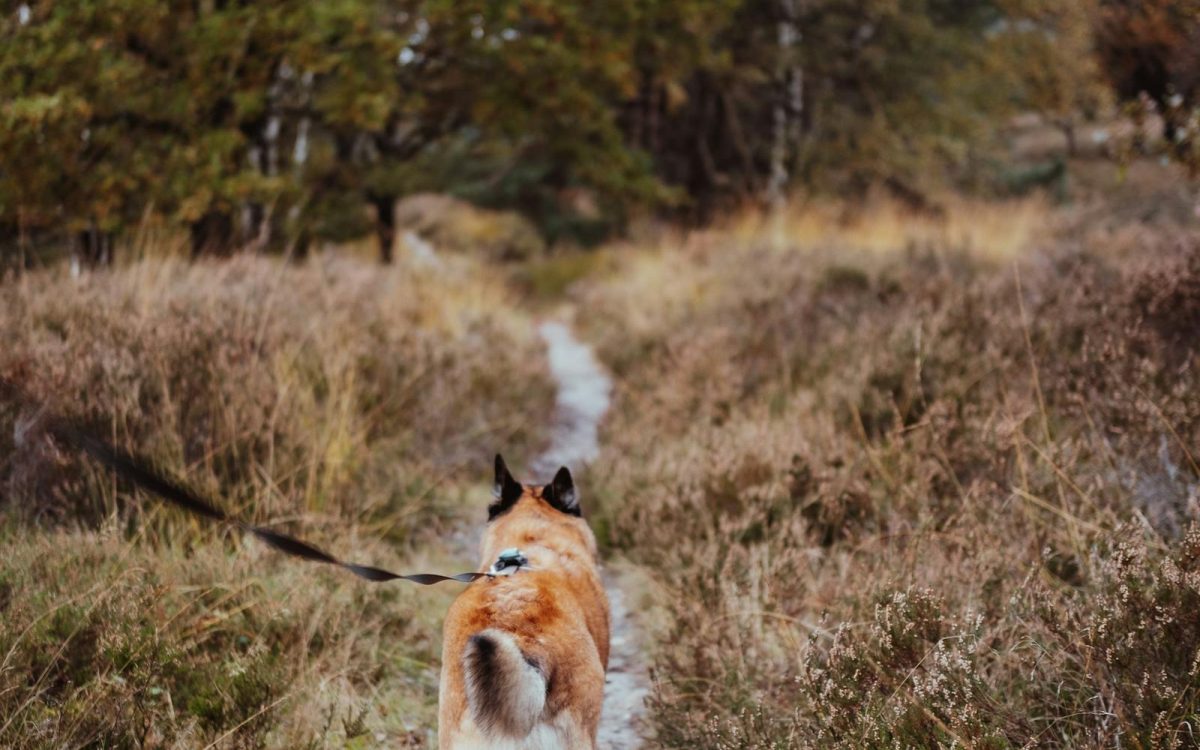
A dog off the leash in a natural area is not causing harm intentionally, but the effects are real. Even a dog that never catches anything can flush nesting birds repeatedly, cause incubating eggs to cool, scatter newly fledged chicks that cannot fly, and disrupt feeding behavior in deer and other mammals during energetically demanding seasons.
The leash is the single most effective tool for managing this. On marked trails in natural reserves, the leash is often a legal requirement during nesting season (typically April through July in the Northern Hemisphere). Following those rules is not about bureaucratic compliance; it directly prevents nest failures that would otherwise go unnoticed.
Scenario: You are walking your dog on a beach or open grassland in May. Your dog dashes ahead and begins sniffing at a shallow scrape in the ground. That scrape is almost certainly a killdeer or lapwing nest, built directly on the surface with eggs that blend almost perfectly into the surroundings. By the time you reach your dog, the adult bird is likely already circling in distress. Clipping the leash on immediately and walking calmly away gives the nest the best chance of surviving the interruption.
Managing the Yard for Pets and Wildlife Together
A wildlife-aware yard does not have to be one where pets cannot go. With a few structural adjustments, the same outdoor space can serve both. The key is creating separation in time and zone rather than trying to exclude everything.
Fencing the lower portions of a garden boundary prevents the smallest and most vulnerable wildlife, such as hedgehogs and rabbits, from entering an area where pets roam freely. At the same time, leaving a small gap at the base of the fence away from the pet area allows hedgehogs and other beneficial animals to continue using the garden as a corridor at night, after pets are indoors.
Water features such as a garden pond should have gently sloping sides so that any small animal that falls in can climb back out. This matters for wildlife but is equally important for small dogs and cats. A steep-sided pond is a hazard for both. Leaving the pond in a section of the garden that pets do not access unsupervised is the most straightforward solution.
Bird feeders should be positioned high enough that a cat cannot access them by climbing nearby shrubs or jumping from a fence cap. The space below feeders, where birds forage on fallen seed, is the most vulnerable zone. A low shrub or cage-style feeder guard prevents access while allowing the birds to continue feeding. Keeping this area clear of dense ground cover removes the hiding spots a cat would use for ambush.
Wildlife That Comes to Pets: Managing the Risk
The interaction is not always pet-to-wildlife. Urban coyotes in North America, urban foxes in the UK and Europe, and raptors such as large hawks are known to investigate small pets as potential prey. These encounters are uncommon, but they do happen, and they are almost entirely preventable.
Small dogs and cats are most at risk from predators when left unattended in unfenced yards at dusk or after dark. Supervised time outdoors and a proper fence that overhangs inward at the top are the most reliable deterrents. Raptor activity is hardest to guard against; a covered outdoor enclosure is the safest arrangement for small pets in areas where large raptors are common. For specific guidance on coyotes in residential areas, the article on what to do if you meet a coyote is a useful companion read.
Disease transmission from wildlife to pets is real but manageable. Current vaccinations for rabies, leptospirosis, and distemper are the foundation. Prevent your dog from eating wildlife carcasses or feces, both of which can transmit parasites and infections. If your pet has any direct contact with a wild animal, especially one that was behaving unusually, a veterinary check is worth scheduling.
Teaching Children About Pets and Wildlife Together
Children watch how adults manage these situations and copy the approach. A child who sees an adult remain calm, leash the dog promptly, and explain why they are doing it develops a natural sense of how to behave in nature. The same child who watches an adult laugh at a dog chasing birds learns a very different lesson.
Simple rules for children around pets and wildlife: do not chase wildlife, call the dog back when it approaches an animal, and never pick up an injured wild animal without an adult. These principles apply equally in the backyard and on a nature trail, and they set a foundation for thoughtful, aware outdoor behavior that persists into adulthood.
Pets and wildlife can coexist in the same neighborhoods, the same gardens, and the same trails when owners stay thoughtful about the overlaps involved. The adjustments involved are mostly small ones: a leash at the right moment, a bell on a collar, a fence gap in the right place, a door closed at dusk. Taken together, they make a genuine difference for every animal sharing your corner of the world.