Anúncios
A friend of mine, a retired schoolteacher with a modest pension, has done more for local wildlife conservation in the past decade than most people I know with substantially more resources. She volunteers one morning a week at a local nature reserve, submits bird and butterfly sightings to a national database through her phone, and has converted most of her small garden into native wildflower habitat. She does not attend fundraising galas. She has never been on an international conservation expedition. Her annual financial contribution to wildlife charities amounts to the cost of a few meals out. And the work she does is genuinely, measurably useful.
I think about her whenever I hear the assumption that supporting conservation requires significant wealth. It does not. What it requires is attention, consistency, and a willingness to let your choices and time count for something.
Anúncios
Time Is Often Worth More Than Money
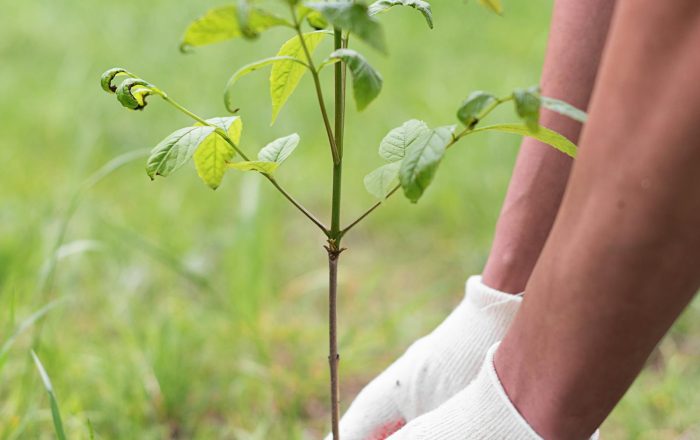
Many conservation organizations are labor-constrained, not just money-constrained. Practical habitat management work, such as clearing invasive species, coppicing woodland, repairing dry-stone walls, surveying plant communities, and monitoring nest boxes, requires people on the ground. A weekend volunteering at a local nature reserve contributes work that cannot easily be purchased, particularly skilled or semi-skilled work that takes some training to do correctly.
Most wildlife trusts, land conservancies, and local conservation groups welcome volunteers with no specialist background. They provide training and tools. You show up, you work, you learn. Over time, volunteers often develop real expertise in identification, survey methods, or habitat management that makes them more valuable to conservation efforts than occasional cash donations from people with no engagement.
Anúncios
Even a few hours a month, sustained over years, adds up to a significant contribution. Consistency matters more than intensity.
Citizen Science: Your Observations Have Value
There is a genuine shortage of biodiversity data in most parts of the world. Scientists cannot be everywhere, and population monitoring requires large numbers of regular observations spread over time and geography. Citizen science programs fill that gap by enabling ordinary people to submit standardized wildlife records that feed into research databases.
The apps that support this work are free and genuinely easy to use. iNaturalist allows you to photograph and identify any plant, animal, fungus, or insect and have your observation added to a global database used by researchers worldwide. eBird collects bird sightings and has become one of the largest biodiversity databases ever assembled. Bumble Bee Watch tracks bumblebee populations across North America. In the UK, apps like iRecord and the Butterfly Conservation recording tools contribute to national assessments that influence policy.
A person who submits accurate sightings from their garden, local park, and regular walking routes over five or ten years is contributing to something that money cannot easily replicate: time-series data from a consistent observer in a specific place. That data shows whether species are appearing earlier in spring, whether certain birds are still using a habitat, whether a conservation intervention is working.
How Purchasing Decisions Connect to Conservation
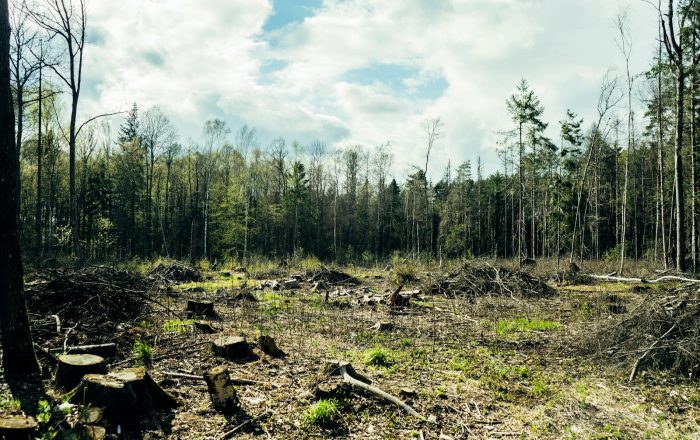
The connection between shopping and conservation is real, even if the mechanism is indirect. Forests are cleared for agriculture, particularly for cattle ranching and soy production, at a rate driven substantially by global food demand. Fisheries collapse when consumer demand exceeds sustainable catch limits. Timber from old-growth forests is sold into supply chains that serve ordinary retail customers.
Certifications like the Forest Stewardship Council (FSC) for wood and paper, the Marine Stewardship Council (MSC) for wild seafood, and Rainforest Alliance for coffee and cocoa are imperfect but meaningful signals that production practices cause less habitat destruction than the uncertified alternative. Choosing certified products where they are available creates incremental market demand for better practices.
Reducing consumption of beef and dairy has the largest single dietary impact on land use and deforestation globally. This does not require becoming fully vegetarian. Shifting even one or two meals a week reduces pressure on land that might otherwise be cleared in regions of high biodiversity. Buying from farmers using regenerative or low-impact methods, when budget allows, supports a different kind of farming economy.
None of these choices require large spending. Some of them, like eating less meat, reduce spending. The conservation value comes from the direction of choice, not the amount of money involved.
Where Small Donations Go Furthest
If budget allows even a modest regular donation, research suggests it tends to have more impact when directed toward smaller, regional organizations than toward large international charities with high administration costs. A local wildlife land trust purchasing a small parcel of threatened habitat, or a community group funding a local ranger, can produce tangible conservation outcomes with modest amounts.
Organizations that work on policy advocacy are also worth considering. A group lobbying for stronger pesticide regulations, better protections for wetlands, or improved building standards for wildlife can produce outcomes worth many times their budget if successful. Policy change scales in ways that habitat purchase cannot.
Giving What We Can and similar charity assessment organizations can help identify conservation groups with strong evidence of effectiveness. Even ten or twenty dollars a month to a well-run organization adds up meaningfully over time, and many allow donors to earmark funds for specific projects.
Advocacy as a Conservation Tool
Contacting elected representatives about conservation issues costs nothing and takes minutes. In democratic systems, consistent constituent contact on specific issues genuinely influences policy priorities. A brief email or call to a local councilor about a proposed development on wildlife habitat, or to a national representative about a conservation bill, is not a trivial act.
Sharing accurate information about conservation issues through your own social and community networks can shift attitudes and awareness in ways that matter. Correcting common myths, recommending good documentaries or articles, talking about what you have observed in nature, these are all forms of low-cost advocacy that build the broader public support conservation efforts depend on. Many conservation laws and protected areas exist because enough ordinary people made enough noise about them.
Your Own Land, Rented or Owned
If you have any outdoor space, even a small balcony, you have the opportunity to contribute directly to habitat availability for wildlife. Converting lawn to native plants, adding a small water feature, leaving a corner unmowed, putting up a bird feeder responsibly, or building a simple bug hotel are all actions that cost very little but produce real habitat. Our article on local conservation actions that actually help covers many of these in detail.
The concept that connects these small actions to larger conservation goals is the same one behind rewilding: that natural processes tend to recover when given the opportunity. You do not have to create a perfect habitat. You just have to reduce the pressure and let life respond. Even a few square meters of flowers can support dozens of pollinator species in an urban area.
Putting It Together
Conservation on a budget is not a lesser version of conservation. It is, in many ways, more representative of how conservation actually works: through accumulated small choices and consistent attention over time, by large numbers of people who care about what happens to the natural world.
Pick two or three things from this list that fit your life and do them consistently. Record what you see outdoors and submit it somewhere useful. Volunteer a few hours a month if you can. Let your outdoor space be a little wilder. Support organizations that work on the problems you care about. Talk to people about what you know. The gap between caring about nature and actively helping it is smaller than it might look, and you do not need a large budget to cross it. You need a phone, some attention, and the patience to show up repeatedly over time. That combination is genuinely powerful.
For ideas on how conservation happens at a local level and what kinds of efforts tend to produce results, our overview of what conservation means in practice is a useful companion read.