Anúncios
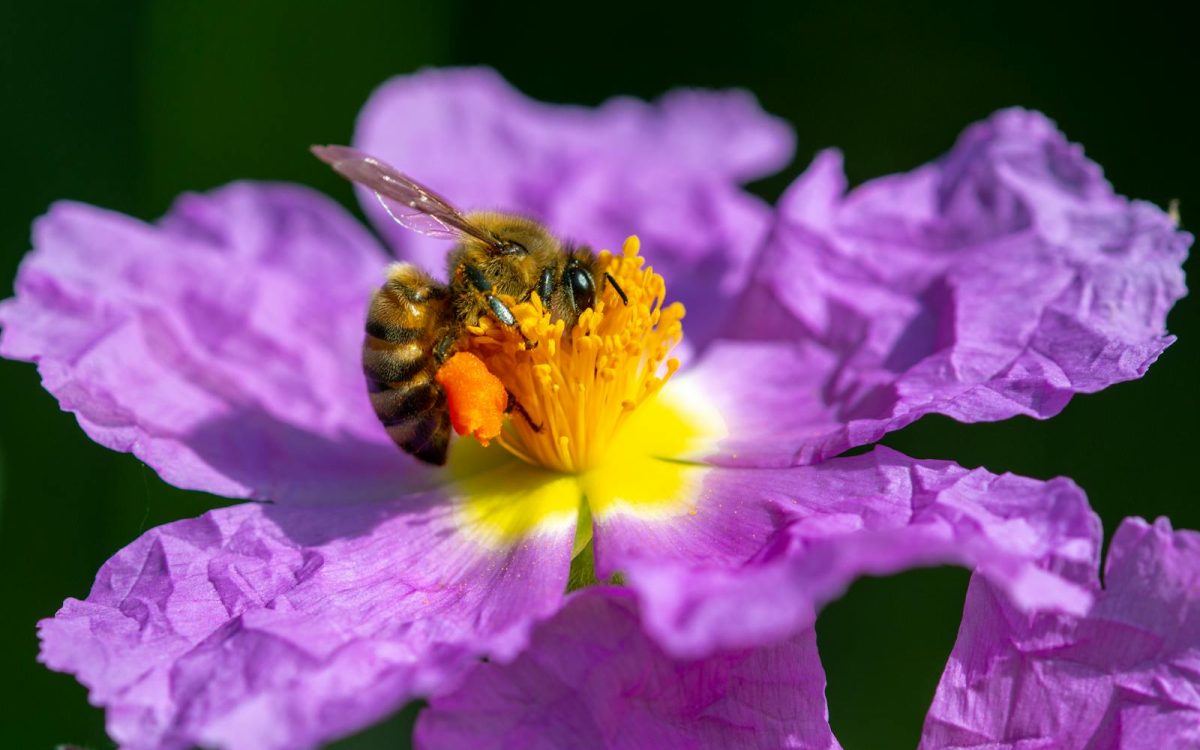
Stand next to a flowering apple tree in spring and watch it for five minutes. The number and variety of insects visiting is striking even before you know what any of them are. Honeybees, bumblebees, smaller solitary bees, hoverflies dressed in convincing bee-like stripes, the occasional beetle, maybe a moth. Each visitor is brushing against anthers, picking up pollen, and carrying it to the next flower. The tree is busy with life, and that life is doing essential work.
This scene, common enough that most people walk past it without a second thought, represents a biological relationship that has been operating for roughly 100 million years. Flowering plants and the animals that pollinate them evolved together, each shaping the other. The bright colors, sweet scents, and elaborate shapes of flowers are, to a large degree, advertisements aimed at pollinators. That relationship now faces pressures it has never encountered before in its long history.
Anúncios
Who the Pollinators Are
Most people, when they think of pollinators, picture a fuzzy bumblebee on a lavender stem. That picture is accurate but incomplete. There are roughly 20,000 described species of bees worldwide. Beyond bees, an enormous diversity of other insects also pollinate: hoverflies alone number over 6,000 species globally, and many are specialist pollinators of particular plant families. Butterflies and moths move pollen as they feed on nectar. Beetles, among the oldest pollinators evolutionarily, still pollinate magnolias and water lilies. Certain flies are the sole pollinators of some crops, including cacao, the plant that gives us chocolate.
Outside insects, hummingbirds pollinate hundreds of plant species in the Americas, while in Africa, Asia, and Australia, sunbirds and honeyeaters take on a similar role. Some tropical bat species are essential pollinators of plants that flower at night, including agaves, which are used to produce tequila, and many important timber trees.
Anúncios
This diversity is not merely interesting, it is functionally critical. Different pollinators tend to visit different flowers, be active at different times of day or season, and fly in different weather conditions. A farm or forest that supports many pollinator species is genuinely more resilient than one relying on a single species.
The Scale of the Decline
The data on pollinator populations is deeply concerning, though it is worth being precise about what we know. For European bumblebees, declines are well-documented and in some species reach 70 percent or more since the 1970s. In North America, the rusty patched bumblebee, once common across the eastern half of the continent, has lost nearly 90 percent of its historical range and is now federally listed as endangered.
For the far greater number of less-studied solitary bee species, beetle pollinators, and pollinating flies, the data is sparse, but the trends where measured are similar. A 2019 analysis found that flying insect biomass in German nature reserves had fallen by more than 75 percent over 27 years. That is not a gradual, manageable change. It is a collapse happening within a human lifetime.
Why Pollinators Are Struggling
Habitat loss is the central problem. Across the industrialized world, the landscapes that supported pollinator populations for centuries, wildflower meadows, hedgerows, woodland edges, rough grasslands, and unmanaged field margins, have largely disappeared. In the United Kingdom, for example, roughly 97 percent of wildflower meadows present in the 1930s have been lost to intensive agriculture or development. Without flowers, pollinators starve. Without nest sites, such as bare ground for mining bees or hollow stems for mason bees, they cannot reproduce.
Pesticides compound the habitat problem. Insecticides applied during or near flowering periods can kill pollinators directly. A class of insecticides called neonicotinoids, widely used as seed coatings, has been shown to affect bee navigation, reproduction, and immune function at concentrations found in the environment. Several neonicotinoids are now banned or restricted in the European Union for outdoor use, but many remain in use globally.
Disease and parasites add further pressure. The Varroa mite, originally a parasite of Asian honeybees, has spread to Western honeybees worldwide and acts as a vector for multiple bee viruses. Managed honeybee colonies require active treatment to survive. Wild bumblebee populations are also affected by fungal diseases, some of which may have spread from commercial bumblebee colonies used in greenhouse pollination.
Climate change is shifting the timing of flowering and the geographic range of both plants and pollinators, and these shifts do not always stay in sync. If a wildflower blooms two weeks earlier because of warmer springs but the bumblebee species that relies on it has not shifted its emergence date, both the plant and the pollinator lose.
What Actually Helps
The most effective actions target the core problem: providing more flowers, more nest sites, and less pesticide exposure over a larger area. At a landscape scale, that means reforming agricultural policy to reward farmers for maintaining wildflower margins, hedgerows, and unplowed corners. Several European countries have moved in this direction through agri-environment schemes that pay farmers for habitat features rather than just crop yields.
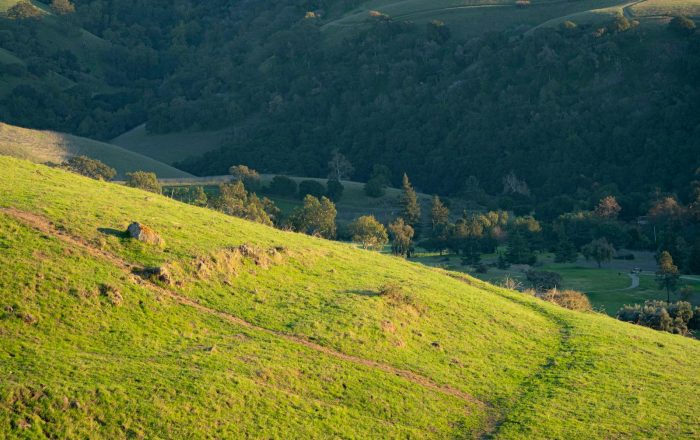
At a community level, converting road verges, roundabouts, and parks from mown grass to flowering meadow mixes has proven surprisingly effective. A single urban wildflower verge can support dozens of bee species. Cities that have adopted ‘no-mow May’ campaigns, delaying spring cutting to allow early flowers to bloom, have seen immediate increases in pollinator activity.
At a garden or balcony level, choosing plants that produce accessible nectar and pollen, avoiding double-flowered cultivars where the petals obscure or replace the reproductive parts, and tolerating a little untidiness in garden edges all contribute meaningfully. Our guide to starting a pollinator garden goes into practical detail on plant selection and garden design.
A Word About Honeybees
A lot of pollinator awareness campaigns focus on honeybees, and honeybees certainly matter. But it is worth knowing that placing more managed honeybee hives in an area without improving the habitat does not necessarily help wild pollinators. In fact, large concentrations of managed honeybees can compete with wild bees for flower resources. The most helpful thing you can do for all pollinators is improve the habitat, which benefits every species, managed or wild.
Urban beekeeping has grown enormously in popularity, and while it connects people to pollinators in a positive way, it is not a substitute for creating better habitat. Plant more flowers, reduce pesticide use, and leave nesting habitat in place. Those actions help the full breadth of pollinating species, not just one.
Connecting Pollinators to the Bigger Picture
Pollinators exist within a web of relationships. The plants they pollinate provide food and shelter for other insects, birds, and mammals. Where pollinators decline, the plants that depend on them often follow, and the species that depend on those plants follow in turn. Understanding this chain is part of understanding what biodiversity actually means and why losing it matters.
The good news is that pollinator habitat can be created relatively quickly. A meadow that is seeded in spring can be visited by bumblebee queens by summer. A garden corner left to grow wild can attract solitary bees within the same season. Unlike some conservation challenges that require decades of work before results are visible, helping pollinators is one area where individual and community actions show up fast. That is worth holding onto.