Anúncios
There is a certain tragic poetry to the idea that a bee sacrifices itself in the act of defense. Nature is full of genuine self-sacrifice stories, so the bee-dying-after-stinging fits neatly into a romantic narrative about the natural world. The version most people carry in their heads, however, is missing most of the story. The full picture is more precise, more varied, and considerably more interesting than the simplified version suggests.
The Claim and Where It Actually Applies
The statement “bees die after they sting you” is accurate in one specific context: a European honeybee (Apis mellifera) stinging a mammal. That is a narrow subset of the roughly 20,000 bee species on the planet. Bumblebees, mason bees, leafcutter bees, sweat bees, mining bees, and the vast majority of other species can sting, recover, and go about their lives without incident. Applying the honeybee rule to all bees is like saying all birds can only fly forward because penguins cannot fly at all. The generalization misrepresents most of the group.
Anúncios
Even for honeybees, the death is not automatic. It occurs because of a specific anatomical interaction with mammalian skin, not simply because stinging happens. Change the target and the outcome changes too.
The Anatomy Behind the Honeybee’s Fate
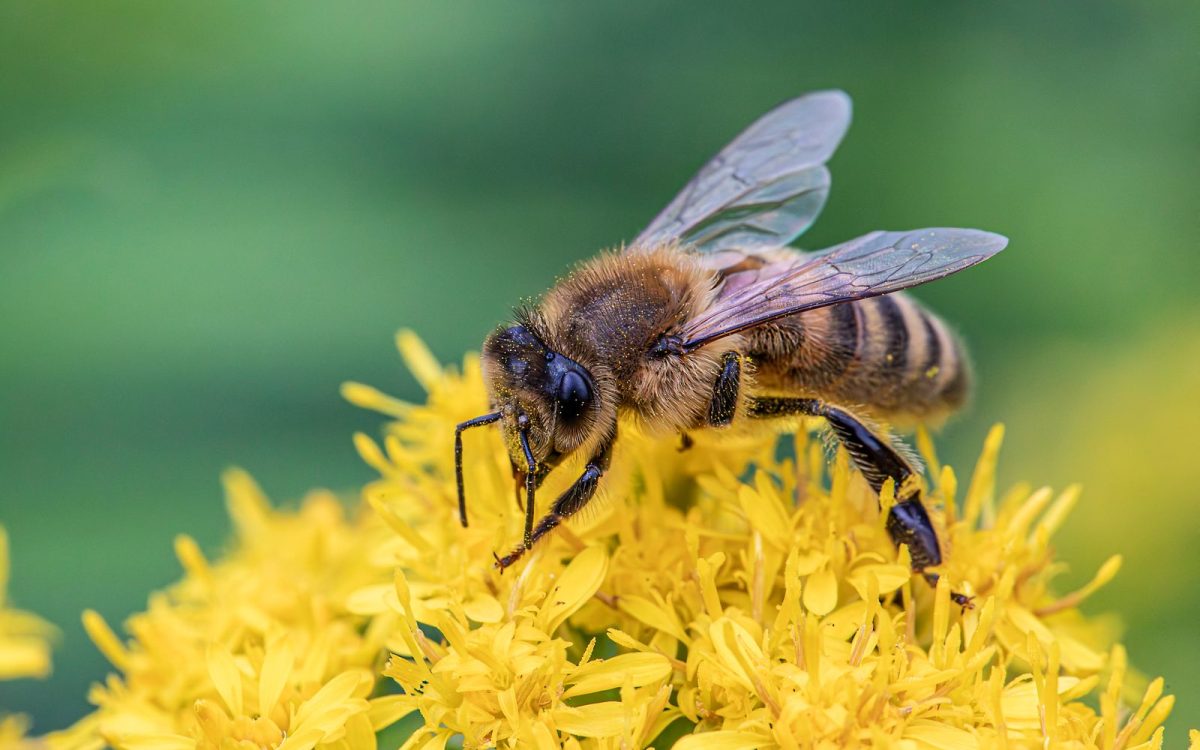
A worker honeybee’s stinger is a modified ovipositor, the same structure that in other insects is used to lay eggs. Over evolutionary time it became a venom-delivery weapon. The stinger has backward-pointing barbs along its shaft, similar in concept to a fishing hook. When the bee drives the stinger into mammal skin, those barbs grip the elastic tissue firmly.
Anúncios
Mammal skin is the critical variable. It is thick and flexible enough to hold the barbs as the bee tries to withdraw. In trying to pull free, the bee essentially performs an internal amputation on herself. The stinger, the attached venom sac, and a significant portion of her abdominal tissue are left behind. The damage to her abdomen is not survivable.
Now compare this to what happens when a honeybee stings a rival insect or another bee. Insect exoskeletons do not grip the barbs the same way. The stinger slides out cleanly, the bee withdraws intact, and she can sting again. The fatal outcome is specifically about mammal skin, not about the act of stinging itself. A honeybee in a defensive situation is not automatically dooming herself by using her stinger.
The Stinger That Keeps Working
One of the more striking facts about a honeybee sting is what happens after the bee is gone. The detached stinger-and-venom-sac unit is not simply a passive delivery mechanism. The muscle system attached to the sac continues to contract rhythmically, pumping venom deeper into the skin, for up to a minute after separation. The venom sac can deliver a meaningful fraction of its total load during this post-detachment period.
This is why the speed of stinger removal matters. Scraping the stinger out with a flat edge, the side of a fingernail, a card, or a knife blade, is more effective than pinching it between fingertips. Pinching tends to compress the venom sac and accelerate venom delivery. Getting the stinger out in the first ten to fifteen seconds after a sting reduces total venom absorbed, which is particularly relevant for anyone with sensitivity to bee venom.
The venom itself is a cocktail of compounds including melittin, the main pain-producing component, along with phospholipase A2 and histamine. It is designed to cause immediate pain and alert the victim to the threat, encouraging them to move away from the hive. For most people, the reaction is localized swelling and discomfort. Severe allergic reactions are less common but require immediate medical attention.
Other Bees and Their Stinging Capacity
Bumblebees are perhaps the most familiar non-honeybee species for most people in temperate regions. Their stingers lack the prominent barbing that causes the honeybee problem. A bumblebee can sting multiple times with no lasting harm to herself. Bumblebees are generally quite docile and reluctant to sting; they are far more likely to buzz loudly and bump against a perceived threat before resorting to a sting.
Solitary bee species, which make up the majority of bee diversity worldwide, follow similar rules. Mason bees, leafcutter bees, mining bees, and sweat bees are all capable of stinging but rarely do and are not harmed by the act. Many solitary bees are so small that their stingers cannot penetrate human skin at all without significant force.
Male bees of any species cannot sting. The stinger is an anatomically female structure, derived from the egg-laying apparatus. Drones, the male honeybees, float around flowers and appear very similar to worker bees but are harmless in this regard. If you have ever noticed a bee that seems to be getting right in your face or investigating you but never stings, there is a reasonable chance it was a male.
What About Queen Honeybees?
Queen honeybees are an illuminating exception within their own species. The queen’s stinger is smooth and curved, without the pronounced barbing found on worker stingers. She uses it almost exclusively inside the hive, to kill rival queens that emerge from cells during swarming or supersedure events. She can sting multiple times without injury to herself. Understanding bee colony structure helps put this in context: the queen’s evolutionary role is reproduction, not colony defense, so her anatomy reflects that.
Worker bees inherited the barbed stinger through a different evolutionary path, where the priority shifted toward effective one-time defense against large animals. The barbs ensure the venom delivery mechanism stays in place even after the bee is brushed away, which maximizes venom delivery at the cost of the individual bee. For a colonial insect where thousands of sisters share the same genetic investment, sacrificing one worker to drive away a large predator threatening the hive is a favorable trade.
The Grain of Truth and Why the Full Story Matters
The myth is not a fabrication. Honeybee workers genuinely do die after stinging mammals, and honeybees are the bees most people encounter around their homes and gardens. The error is in treating the honeybee rule as universal. For anyone who gardens, spends time outdoors, or simply wants to understand what they are seeing, knowing the full range of bee species and their behaviors builds a more accurate picture of the pollinators sharing your outdoor spaces.
There is also a practical side. If you know that a bee bumping into you near a flower is almost certainly a forager who would prefer to keep moving than to sting you, the anxiety level around bees tends to drop considerably. Most bees most of the time have no interest in stinging you, not because they are gentle by temperament, but because stinging burns energy, risks injury in some species, and is far less useful to a foraging bee than simply getting back to the flower it was visiting.
Fear of bees drives people to swat, run, or spray, behaviors that make stinging more likely and contribute to the unnecessary killing of beneficial insects. The more clearly you understand what bees are actually doing and why, the more comfortable and effective your interactions with them become. Myth-correcting tends to make animals less threatening in the imagination, not more, and the truth about bee stinging fits that pattern well.
Honeybee workers pay the ultimate price when they sting a mammal, and that is a real and notable fact. But it is one small piece of a much larger story about 20,000 species of extraordinary insects, most of whom sting without consequence to themselves and spend their lives doing work that supports every garden, farm, and wild meadow you have ever walked through.