Anúncios
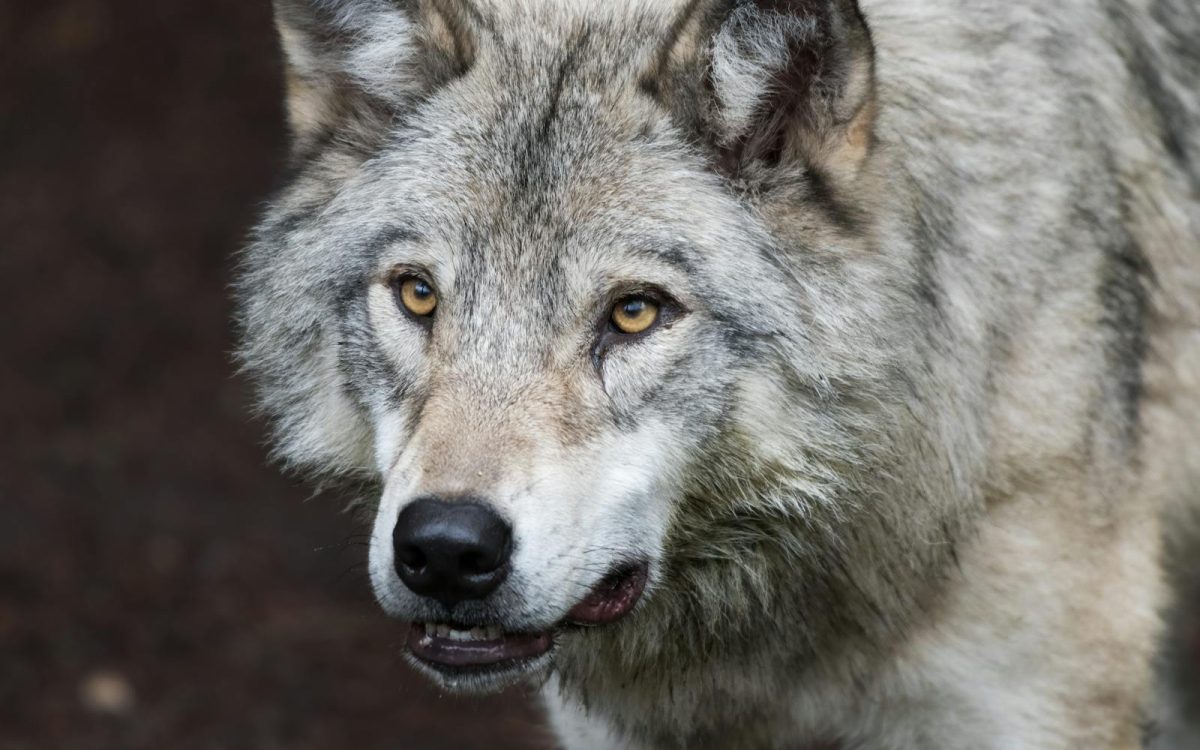
The question has been asked around fires for thousands of years, encoded into fairy tales, and debated during every wolf reintroduction proposal in modern times. Are wolves really dangerous? The honest answer is: less than almost everyone assumes, more than a few enthusiasts like to admit, and in ways that are quite specific once you look at the actual evidence.
Where the Fear Came From
Europe’s long history of wolf persecution makes more sense when you understand the context. Medieval and early modern European farmers lived in close proximity to dense wolf populations, kept livestock that wolves genuinely did prey upon, and had no effective fencing or deterrents. Wolves that were hungry, cornered, or infected with rabies did occasionally attack people, and those incidents were dramatic enough to enter folklore permanently. The Brothers Grimm collected stories from peasant communities where wolf fear was not abstract, it was lived experience. Add centuries of church teachings that cast wolves as symbols of the devil, and you have a cultural freight that rational information struggles to shift. The wolf we inherited from that tradition is a monster. The animal in the forest is something quite different.
Anúncios
What the Attack Records Actually Show
A thorough 2002 review published by Norway’s large carnivore research project documented all credible records of wolf attacks on humans in Europe and North America over roughly a century. Fatal attacks were extraordinarily rare, numbering in the low dozens globally over that entire period. Most involved rabid animals, which lose their natural wariness of humans as the disease progresses. A separate category involves food-conditioned wolves, animals that had been deliberately or accidentally fed by people and lost their fear of humans as a result. This is a different risk category from healthy wild wolves that have had no contact with humans, and it reinforces one of wildlife management’s most consistent lessons: feeding wild carnivores creates danger that would not otherwise exist. You can read more about why this matters in the article on whether feeding wild animals is ever safe.
The Pack Is a Family, Not a Gang
Popular depictions of wolf packs as rigid dominance hierarchies, with an “alpha” pair suppressing subordinates through constant aggression, come from studies of captive wolves forced to live with unrelated animals. In the wild, a typical pack is simply a breeding pair and their pups from one or two seasons. L. David Mech, one of the world’s leading wolf researchers and the scientist who originally popularized the alpha concept, spent years trying to correct the record after his early work was misapplied. Wild wolf families operate cooperatively, with older pups helping to raise younger ones. Aggression within the family group is relatively uncommon. The image of snarling, hierarchically rigid packs is a product of the abnormal conditions of captivity.
Anúncios
Wolves and Livestock: The Real Conflict
This is where wolf myths intersect with a genuine and difficult problem. Wolves do kill livestock, and for ranching families operating on thin margins, even a small number of depredations can be financially painful and emotionally distressing. Dismissing this as exaggeration helps no one. What the evidence does show is that the scale of livestock losses to wolves is often lower than feared before reintroduction, and that effective non-lethal deterrents exist. Livestock guardian dogs, particularly breeds like the Great Pyrenees or Kangal, have centuries of history working alongside wolves and are highly effective. Fladry, the traditional European technique of hanging colored flags on ropes around a pasture, exploits wolves’ natural wariness of unfamiliar objects. The human-wolf conflict around livestock is real and deserves practical solutions, not dismissal on either side.
Are Wolves Dangerous to Pets and Children?
The risk to small dogs in areas where wolves are present is real and documented. Wolves may treat small dogs as potential prey or as intruders in their territory. In areas with wolf populations, keeping small dogs close and not allowing them to run loose in wildland edges is reasonable caution. For children, the risk from healthy, non-habituated wolves is extremely low. The documented cases of wolves approaching or threatening children almost all involved food-conditioned animals or abnormal circumstances. That said, teaching children not to approach or feed any wild animal is sensible advice regardless of species.
What Wolves Do for Ecosystems
The case for wolves is not just about correcting exaggerated fear. Wolves are a textbook example of a keystone predator whose presence organizes entire ecosystems. When wolves were reintroduced to Yellowstone National Park in 1995 after a seven-decade absence, researchers documented what ecologists call a trophic cascade. Elk herds, which had grown large and browsed riverbank vegetation heavily without a predator to worry about, began avoiding certain areas where wolves could ambush them. Vegetation recovered along those riverbanks. Songbirds returned. Beaver populations increased. Rivers changed course as bank stabilization improved. The phenomenon, sometimes called the “ecology of fear,” shows that it is not just the animals wolves kill but the places they cause prey animals to avoid that shapes a landscape. You can explore how these dynamics work in more detail in the article on predator and prey balance.
How to Behave Around Wolves
If you spend time in areas where wolves are present, which in North America means parts of the northern Rockies, Great Lakes, and Pacific Northwest, a few practical points apply. Never approach a wolf. Never feed one, even indirectly by leaving food scraps on campsites. If a wolf approaches you, make yourself large, make noise, and maintain eye contact without crouching. Do not run. These are the same principles that apply to most large wild carnivores. The wolf’s natural inclination, in the vast majority of encounters, is to observe from a distance and then leave. If you are fortunate enough to see one, the appropriate response is quiet appreciation from where you stand.
Wolves deserve neither the monster reputation built up over centuries nor uncritical romanticization. They are predators with real impacts, real ecological roles, and a genuine history of conflict with livestock keepers that requires thoughtful management. Understanding what they actually do, rather than what folklore says they do, is a better starting point for any conversation about how wolves and people share landscapes.