Anúncios
Stand at the edge of a northern bog on an October morning and you are standing in a world that most people never see. Sphagnum moss squishes underfoot. Sundew plants glitter with sticky droplets. A bittern freezes in the reeds, trusting its striped plumage to pass for dead grass. The bog is a habitat, and like every habitat on Earth, it runs on a precise logic: the right moisture, the right chemistry, the right temperature range, all combining to support exactly the creatures that have figured out how to live there.
Understanding the major types of habitats is one of the most useful things any nature enthusiast can do. It helps you predict what you might find in a given place, understand why certain species are declining, and appreciate why protecting one patch of forest or one stretch of coastline actually matters.
Anúncios
What Makes a Habitat a Habitat
A habitat is not just scenery. It is a functional package: a particular arrangement of food sources, water, shelter, temperature range, and soil or substrate that allows a specific set of species to survive and reproduce. Remove one component, and the whole system can shift. Add a road through a forest, and you have not just removed trees, you have cut off movement corridors, changed moisture levels, introduced noise and light, and altered the predator-prey balance on both sides of the cut.
Ecologists sometimes compare habitats to addresses. A species’ address tells you what it needs, how it behaves, and what threatens it. Read enough addresses and patterns emerge: certain animals cluster near water, others depend on vertical layers of vegetation, and some need open sightlines to spot danger in time.
Anúncios
Forests: The World’s Great Vertical Habitats
Forests cover roughly 30 percent of Earth’s land surface and house more than half of all terrestrial species. What makes them so productive is their vertical structure. A mature temperate forest might have five distinct layers: canopy, sub-canopy, shrub layer, ground layer, and leaf litter. Each layer is a different habitat in miniature, with its own light levels, humidity, and food sources.
Warblers hunt insects in the canopy. Thrushes forage in the shrub layer. Salamanders shelter under bark and rotting logs at ground level. A single old-growth oak can support hundreds of insect species, which in turn feed dozens of bird species. This is why old trees matter so much: their cavities, peeling bark, and root systems offer habitat features that young trees simply cannot replicate.
Tropical rainforests, temperate broadleaf forests, and boreal conifer forests are all “forest,” but they function very differently and support almost entirely different species. A toucan and a moose are both forest animals in a technical sense, yet their worlds overlap about as much as a coral reef and an alpine meadow.
Grasslands: Open Spaces With Hidden Complexity
At first glance, a grassland seems simple. Grass, sky, wind. But grasslands sustain enormous biodiversity, especially in the soil and at ground level. North American prairies once supported bison herds in the millions, along with prairie dogs, ferrets, burrowing owls, and a dense web of pollinators. African savannas hold the most dramatic large-mammal assemblages on Earth.
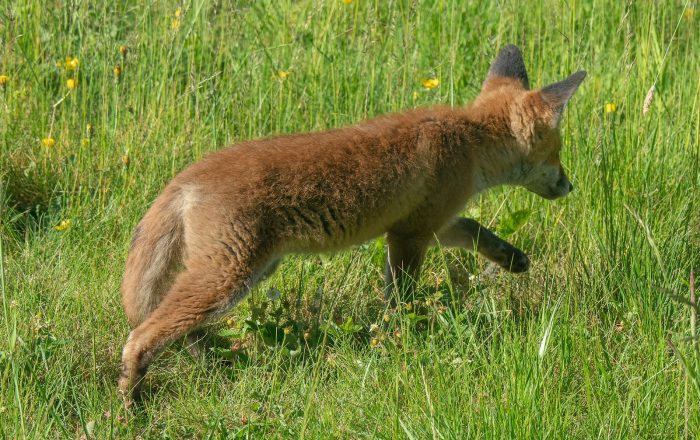
Grasslands thrive where rainfall is too low for dense forest but too high for desert. Fire plays a crucial role in many grassland systems, clearing dead material and preventing shrubs from taking over. The animals that live here are built for openness: speed for prey animals, camouflage in tawny and brown tones, and keen distance vision for both hunters and hunted.
Because grasslands tend to grow on flat, fertile land, they have been disproportionately converted to agriculture. Less than four percent of North America’s original tall-grass prairie remains. The species that evolved with that habitat, including the swift fox and the mountain plover, are now conservation concerns in large part because their address has essentially been erased.
Wetlands: Where Water Meets Land
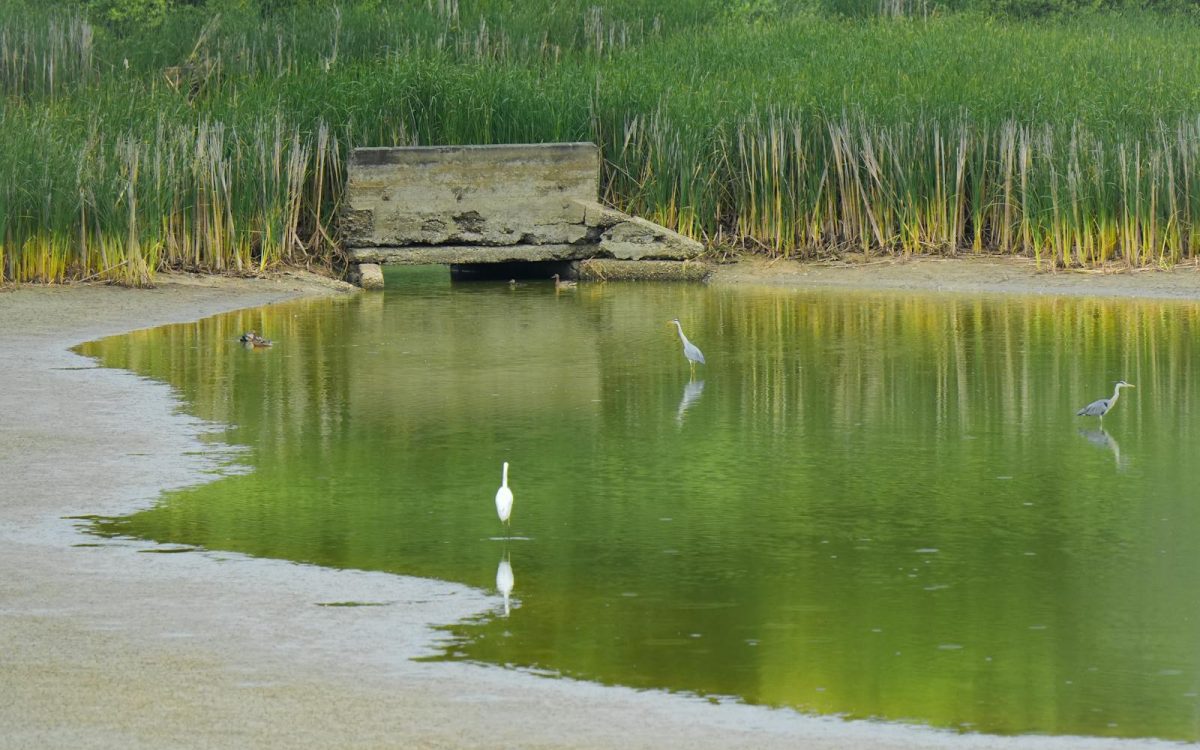
Wetlands include marshes, swamps, bogs, fens, and riparian zones along rivers. They share one defining feature: the soil is saturated with water, at least seasonally, and that single condition creates an incredibly productive environment.
Consider what a marsh offers: shallow warm water full of invertebrates, dense emergent vegetation for nesting cover, fish concentrated in predictable channels, and a constant throughput of nutrients carried in by water flow. For a great blue heron, a marsh is a living supermarket. For a wood duck, it is a nursery. For a wood frog, it is the place where spring begins, every year, as reliably as sunrise.
Wetlands also perform ecosystem services that benefit humans directly. They filter pollutants, slow floodwaters, and store significant amounts of carbon. A healthy wetland upstream of a town absorbs rain that would otherwise overwhelm storm drains. This is one reason wetland conservation is not just a wildlife issue; it is a human infrastructure issue too. You can learn more about how habitat condition affects entire animal communities in our piece on how wild animals choose where to live.
Deserts and Scrublands: Life Under Pressure
A desert is defined by low rainfall, not necessarily by heat. Antarctica is technically a desert. What all deserts share is scarcity: scarcity of water, often of food, and in hot deserts, an excess of heat that animals must manage constantly.
Desert life is a masterclass in adaptation. The kangaroo rat of North American deserts never drinks liquid water, extracting all its moisture from dry seeds. The Namib desert beetle collects fog on its body in the morning and drinks the water before it evaporates. Fennec foxes have enormous ears not just for hearing but for radiating excess body heat. Every resident of a desert has solved the same problem, just with a different tool.
Scrublands, sometimes called chaparral or shrubland, occupy the zone between grassland and true desert. They are fire-adapted ecosystems where many plants evolved to resprout vigorously after a burn, and where animals have learned to exploit that cycle of regrowth.
Freshwater and Coastal Habitats
Rivers, lakes, and streams are freshwater habitats that link landscapes together. A river is not just water; it is a highway for salmon, a drinking source for terrestrial mammals, and a breeding ground for countless insects that, as adults, carry nutrients from the water into the surrounding forest in their bodies. When rivers are dammed or channelized, this web of connections frays in ways that ripple through both aquatic and terrestrial food webs.
Coastal habitats, including beaches, salt marshes, mangroves, and estuaries, sit at the intersection of land and sea. Estuaries, where rivers meet the ocean, are among the most productive habitats on Earth. The mix of fresh and salt water, combined with tidal cycles and nutrient-rich sediments, creates feeding and nursery grounds for an enormous range of species, from shorebirds to juvenile fish to horseshoe crabs that have barely changed in 450 million years.
Mangrove forests, found in tropical coastal zones, are a particularly striking example of how habitat structure creates wildlife value. Their tangled root systems provide shelter for juvenile fish, nesting platforms for herons and spoonbills, and coastal protection against storm surge that benefits nearby communities. Understanding why some species hold entire ecosystems together becomes much clearer when you see a mangrove system functioning at full strength.
Tundra and Alpine Habitats: Life at the Edges
The Arctic tundra and high-altitude alpine zones are harsh, wind-scoured places where the growing season may last only a few weeks. Yet they support surprising numbers of species that have found ways to exploit the brief summer pulse of productivity.
In summer, Arctic tundra is covered with flowering plants, insects, and the birds that fly there from continents away to breed in the long daylight hours. Shorebirds, geese, and snowy owls are just the visible layer of a system that includes lemmings, Arctic foxes, and a web of invertebrates in the soil. By October, most of that life has either migrated south or gone dormant, and the landscape returns to a quiet that would seem empty to most visitors but is in fact organized around waiting.
Alpine habitats at high elevations work on a similar compressed schedule. Pikas, small rabbit relatives that do not hibernate, spend summer cutting and drying grass like miniature farmers, storing haystacks under boulders to last them through winter. Their ability to survive depends entirely on the specific combination of temperature and vegetation that high meadows provide, which is why warming temperatures are pushing pikas higher up slopes that, in some ranges, are running out of mountain.
Why Habitat Diversity Matters for Every Species
No habitat exists in total isolation. Many species use different habitats at different life stages or seasons. A red-winged blackbird might nest in a cattail marsh, forage in adjacent grain fields, and overwinter in a southern bottomland forest. That bird needs all three habitats to complete its annual cycle. Remove any one, and the population declines even if the other two remain intact.
This interconnection is one reason conservationists have moved toward thinking about entire landscapes rather than single protected patches. A forest reserve surrounded by hostile terrain on all sides can still lose species over time, simply because animals cannot move in, out, or between populations. The concept of wildlife corridors grew directly from this understanding of how habitats need to connect to function.
The more you know about the types of habitats and what each one requires, the better equipped you are to notice when something is off. A wetland that no longer rings with frog calls in April, a grassland where the wildflowers are gone, a river that runs cloudy when it should run clear: these are not abstract environmental statistics. They are the sounds and sights of a habitat changing, and they are readable once you know what you are looking for.